





Why Banana Peels Work Wonders
Before you dismiss this as just another garden myth, there's simple science behind it. Banana peels are famously rich in potassium (K), a crucial macronutrient for plants. Potassium plays a vital role in numerous plant functions, but for flowering plants,
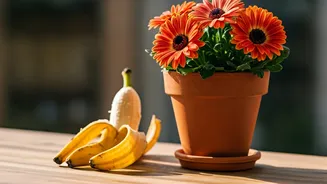
it's a game-changer. It helps strengthen stems, improve water and nutrient transport, and most importantly, encourages the development of bigger, more vibrant flowers and fruits. While they also contain smaller amounts of phosphorus, calcium, and magnesium, it's the potassium punch that makes banana peel 'tea' a fantastic, gentle supplement for your blooming beauties. Think of it as a power-up for your plant's flowering cycle, encouraging them to put on their best show.
Gather Your Simple Supplies
The beauty of this organic spray lies in its simplicity. You don't need any special equipment or expensive ingredients. This is a true 'waste-to-wealth' solution you can whip up anytime. Here is all you need: * **Banana Peels:** 2-3 fresh peels. Organic bananas are a plus, but any will do. Just be sure to give them a quick rinse if they are not organic. * **A Glass Jar or Bottle:** A 1-litre glass jar with a lid is perfect. Avoid metal containers, as they can sometimes react with the organic compounds. * **Water:** Regular tap water is fine. If your tap water is heavily chlorinated, let it sit out for 24 hours before use to allow the chlorine to dissipate.
How to Make the Liquid Spray
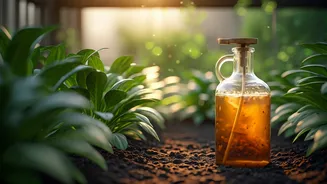
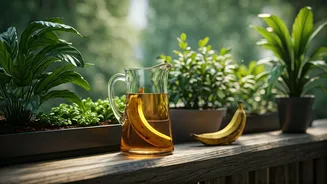
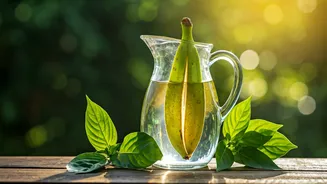
Creating your nutrient-rich liquid is incredibly easy. Just follow these simple steps: 1. **Chop the Peels:** Cut the banana peels into small, 1-inch pieces. The smaller pieces provide more surface area, allowing the nutrients to leach into the water more efficiently. 2. **Soak the Peels:** Place the chopped peels into your glass jar. Fill the jar with water, leaving about an inch of space at the top. 3. **Seal and Wait:** Screw the lid on tightly and give the jar a good shake. Place it in a cool, dark spot, like under your kitchen sink or in a cabinet. Let the peels steep for 3 to 5 days. You can give it a gentle shake once a day. 4. **Strain the Liquid:** After a few days, the water will have turned a brownish colour and may have a slightly sweet, fermented smell. This is your 'banana tea'. Strain the liquid through a sieve or a piece of muslin cloth to remove all the solid peel pieces. The remaining solids can be added to your compost bin or buried directly in the soil of larger pots.
Applying Your Organic Booster
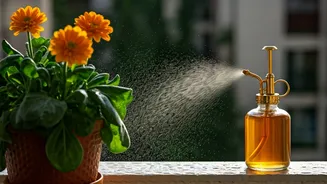
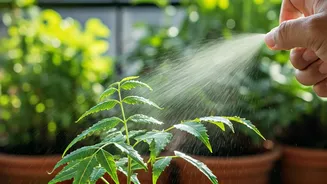
Your homemade fertilizer is potent, so it’s best to dilute it before use. A good rule of thumb is to mix one part banana tea with five parts water (a 1:5 ratio). For example, mix 100 ml of your banana liquid with 500 ml of water. There are two effective ways to apply this diluted solution: * **As a Soil Drench:** Simply pour the diluted liquid directly onto the soil around the base of your plants. This allows the roots to absorb the potassium directly. Water your plants this way once every 15-20 days during the growing and flowering season. * **As a Foliar Spray:** For a quicker boost, pour the diluted liquid into a spray bottle and lightly mist the leaves of your plants in the early morning or late evening. This allows for direct absorption through the leaves. Avoid spraying in direct, harsh sunlight as it can scorch the foliage.
Plants That Love This Treatment
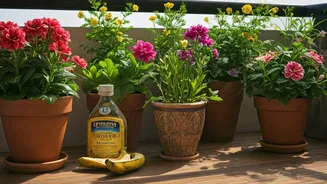
While most plants can benefit from a potassium boost, some are particularly responsive, especially those known for their prolific flowers. In a typical Indian balcony garden, you'll see great results with: * **Roses (Gulab):** Known for their love of potassium, they will produce stronger stems and more impressive blooms. * **Hibiscus (Gudhal):** This spray can help prevent bud drop and encourage the large, showy flowers hibiscus is famous for. * **Bougainvillea:** A favourite for sunny balconies, it will thrive with the extra potassium, leading to more of its colourful bracts. * **Jasmine (Mogra/Chameli):** Promotes fragrant and abundant flowering. * **Tomatoes and Chillies:** If you grow vegetables, this spray is excellent for promoting flowering and fruit development.
Important Cautions and Pro-Tips
This DIY fertilizer is fantastic, but keep a few things in mind for the best results. Firstly, always strain the liquid well. Leaving small pieces of peel in the spray bottle can clog it, and leaving them on the soil surface can attract pests like fruit flies. Secondly, do not overdo it. Using this spray more than once every two weeks can create a nutrient imbalance. Remember, this is a supplement, not a complete fertilizer. Your plants will still need a balanced feed with nitrogen and phosphorus from compost or other sources. If your mixture smells foul or develops a fuzzy mould while steeping, it’s best to discard it and start a fresh batch.