




A Healthy Twist on Timeless Traditions
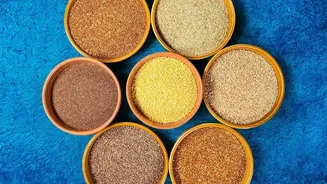
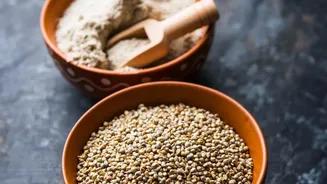
The movement towards mindful eating has revived interest in India's treasure trove of millets. Grains like ragi (finger millet), bajra (pearl millet), and jowar (sorghum) are stepping back into the limelight, and for good reason. Naturally gluten-free,
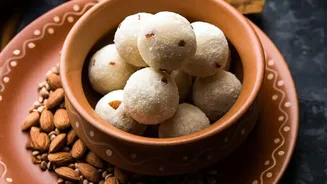
rich in dietary fibre, and loaded with essential minerals, these grains offer a fantastic way to make traditional mithai more nutritious. Unlike refined flour (maida) or sooji, millets have a lower glycaemic index, providing sustained energy without sharp blood sugar spikes. By swapping traditional flours for these ancient grains, you can create sweets that are not only delicious but also align with a modern, health-aware lifestyle.
Ragi: The Calcium and Iron Powerhouse
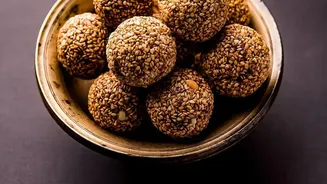
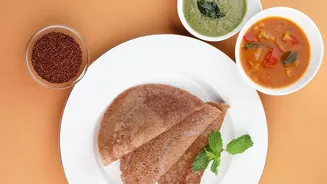
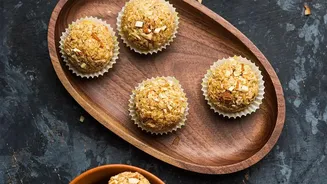
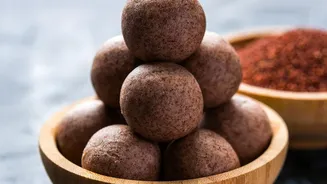
Ragi is a nutritional champion, celebrated for being one of the best non-dairy sources of calcium, crucial for bone health. It's also rich in iron, which helps combat fatigue and boosts energy levels. Its high fibre content promotes digestive health and provides a feeling of fullness, which can help in weight management. In the kitchen, ragi has an earthy flavour that pairs wonderfully with jaggery, coconut, and nuts. To use it in sweets, it's best to dry roast the flour on a low flame until it becomes aromatic, which removes any raw taste. Popular choices include Ragi Ladoos, which are both a festive treat and a nutrient-dense snack, and Ragi Halwa, a wholesome alternative to the classic sooji version.
Bajra: The Warming Winter Wonder
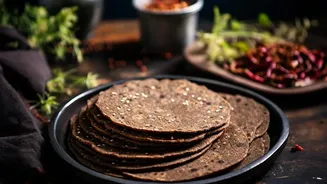
Bajra is a staple in western India, especially during the colder months, due to its natural warming properties. This millet is an excellent source of magnesium, iron, and protein. Its high fibre content aids digestion, and its complex carbohydrates ensure a steady release of energy. Bajra has a distinct nutty flavour that deepens when roasted in ghee, making it perfect for rich, satisfying desserts. It can be used to make Bajra Ladoos, often made by crumbling leftover bajra rotis and combining them with jaggery and ghee. Another traditional preparation is Bajra Halwa, a dark, richly flavoured sweet that is far more nutrient-dense than its wheat-based counterpart. You can even make creative sweets like Bajra Modak for a healthy festive offering.
Jowar: The Versatile and Gentle Grain
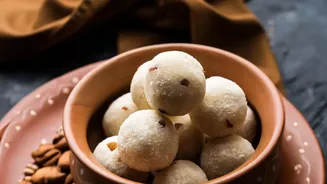
Jowar, or sorghum, is prized for its versatility and mild flavour. It is packed with protein, fibre, and antioxidants. Being gluten-free, it's an excellent option for those with sensitivities and is generally considered gentle on the digestive system. The subtle taste of jowar flour allows it to blend seamlessly into a variety of sweet dishes without overpowering other ingredients. Jowar Halwa, sweetened with jaggery or date paste, is a simple and wholesome dessert. The flour can also be used to make Jowar Ladoos or even a nutritious Jowar Phirni, offering a healthy twist on the beloved rice-based classic. Its adaptability makes it an easy grain to start with if you are new to millet-based cooking.
Tips for Perfect Millet Sweets
When substituting millets for refined flours, a few adjustments can ensure great results. First, always roast the millet flour in a little ghee on low heat until it releases a nutty aroma. This step is crucial for developing flavour and removing any raw taste. Millets absorb more moisture, so you might need to adjust the amount of liquid (milk or water) or ghee in your recipe. Combining millet flour with a small amount of almond flour, gram flour, or rice flour can improve the texture of sweets like burfis or ladoos. Finally, embrace natural sweeteners like jaggery, date paste, or palm sugar. Their molasses-like notes complement the earthy flavours of millets far better than refined sugar and add extra minerals to your festive treats.