






First, Define Your Zones
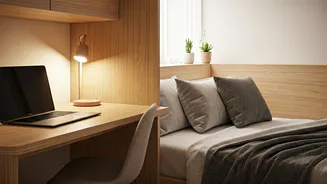
The key to a successful multi-functional room is creating distinct zones for work and rest. This doesn't require a physical wall. You can use a stylish rug to anchor your 'work zone'—a small desk and chair. A slim bookshelf or a tall plant can also act
as a subtle visual divider. This mental separation is crucial. When you're in the work zone, you're on the clock. When you leave it, you're officially in chill mode. This simple act of 'commuting' a few feet helps your brain switch off, preventing burnout and ensuring your bedroom remains a place of rest.
Embrace Multi-Functional Furniture
In a small space, every piece of furniture must earn its keep. Look for 'transformer' furniture that serves multiple purposes. A wall-mounted, foldable desk can disappear when the workday is done, instantly freeing up floor space. An ottoman with built-in storage can hide your laptop and papers while serving as extra seating or a footrest. Consider a bed with hydraulic lift storage underneath to stow away bulky items like extra bedding or seasonal clothes. This approach isn't about having less; it's about making what you have work harder.
Go Vertical and Use Your Walls
When floor space is limited, the only way to go is up. Your walls are prime real estate for storage and decor. Install floating shelves above your desk to hold files, stationery, and a few personal trinkets. A vertical bookshelf takes up minimal floor space but offers maximum storage. Instead of a bulky floor lamp, opt for wall-mounted sconces on either side of your bed or a sleek plug-in pendant light over your desk. This draws the eye upward, creating an illusion of height and airiness while keeping surfaces clear.
Master the Art of Lighting
Lighting can completely change the feel of a room. For your work zone, you need bright, focused task lighting to prevent eye strain—a slim LED desk lamp is perfect. For the 'chill' part of the room, use warm, ambient light. Think a soft lamp on your bedside table or dimmable LED strips behind your headboard. During the day, maximise natural light by using sheer curtains instead of heavy drapes. A large mirror placed opposite a window will bounce light around the room, making it feel significantly larger and more open.
Create a Cohesive Colour Palette
A unified colour scheme can make a small, busy room feel serene and intentional. Stick to a palette of two to three colours. Light, neutral shades like off-white, beige, or pale grey for the walls are a classic choice as they reflect light and create a sense of spaciousness. You can then introduce your accent colour(s) through textiles like cushions, a throw blanket, and rugs. This consistency ties the 'work' and 'chill' zones together, ensuring the room feels like a single, harmonious sanctuary rather than two clashing spaces.
Declutter and Organise Smartly
Visual clutter is the enemy of a peaceful mind. A tidy space is essential for both focus and relaxation. Invest in smart storage solutions like drawer dividers for your desk, stylish boxes for your shelves, and a designated charging station to wrangle cables. At the end of each workday, make it a ritual to put away your work items. A clean desk signals that it's time to transition from 'work' to 'chill'. This five-minute habit has a huge impact on how you experience your personal space.
Personalise the 'Chill' Zone
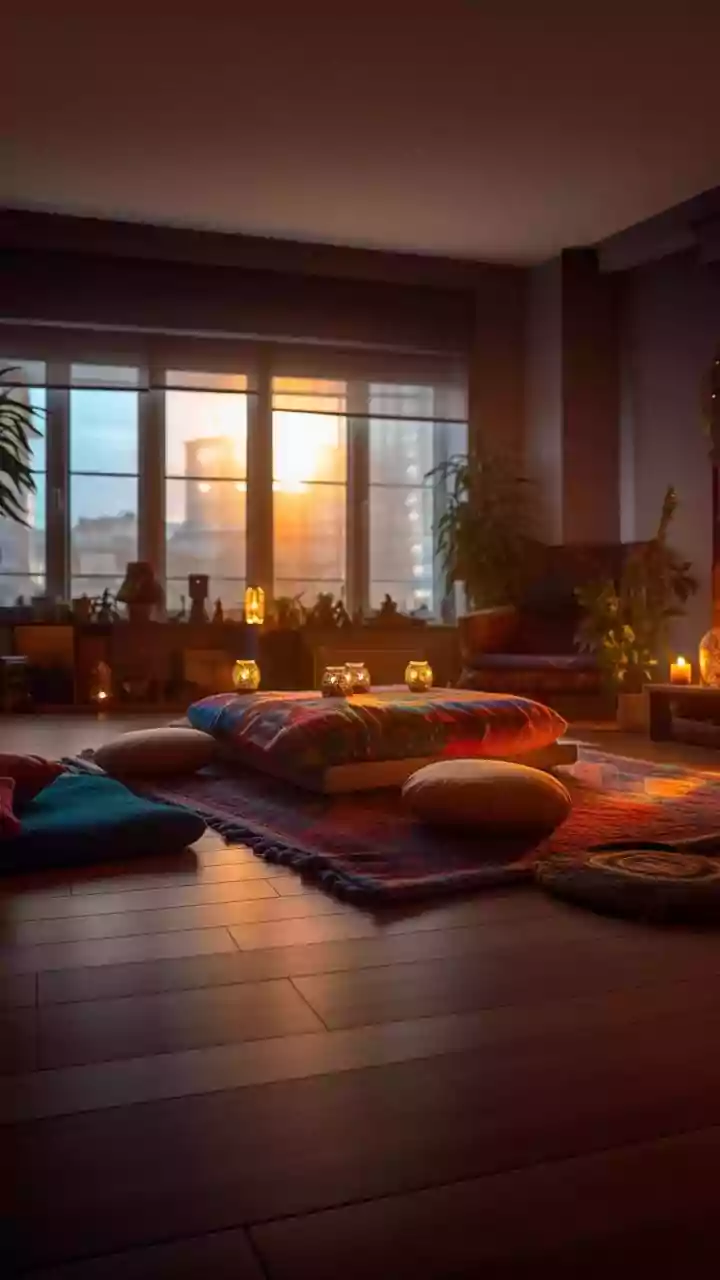
Finally, make your relaxation area truly inviting. This is where you infuse your personality. Add a few low-maintenance indoor plants to purify the air and add a touch of nature. Choose bedding with soft, comfortable textures that you can't wait to sink into. A scented candle or an essential oil diffuser with a calming scent like lavender or sandalwood can help you unwind. Maybe you can fit a small, comfortable armchair in a corner to create a dedicated reading nook. These small touches are what transform a functional room into a true sanctuary.