



The Psychology of a Cluttered Room
Before you can even think about what to keep and what to discard, it is important to understand why a cluttered environment feels so draining. Research shows that messy spaces can negatively impact your mental health, contributing to feelings of stress,
anxiety, and an inability to focus. A disorganised room bombards our minds with excessive stimuli, making it difficult to relax and process information. This is why the first step is not decluttering, but creating a plan for order. Smart storage solutions provide a framework, giving every item in your home a potential 'home'. When you know where things could go, the task of sorting them becomes far less overwhelming. It is a mental shift from seeing a mountain of mess to seeing a puzzle with a place for every piece.
Go Vertical: Your Walls Are Your Best Asset
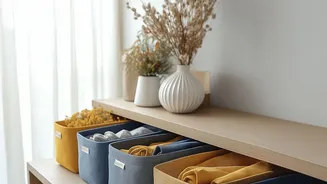
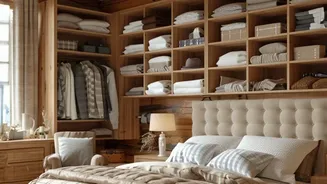
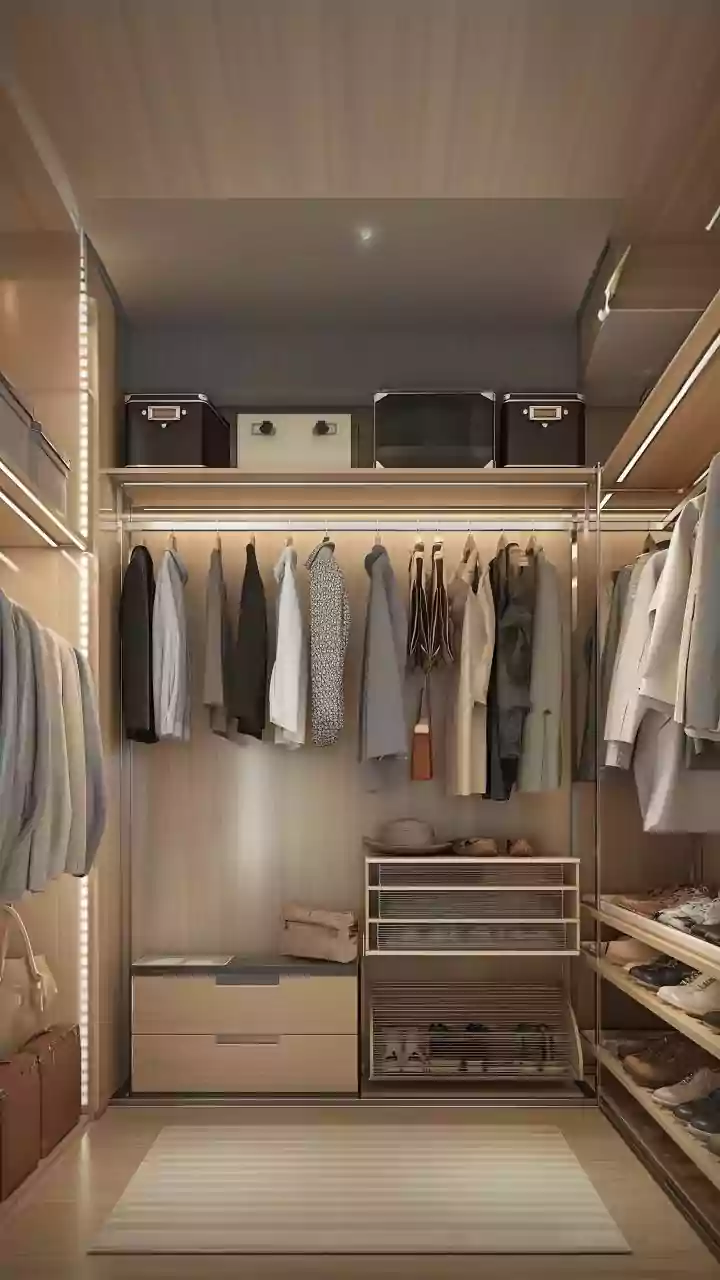
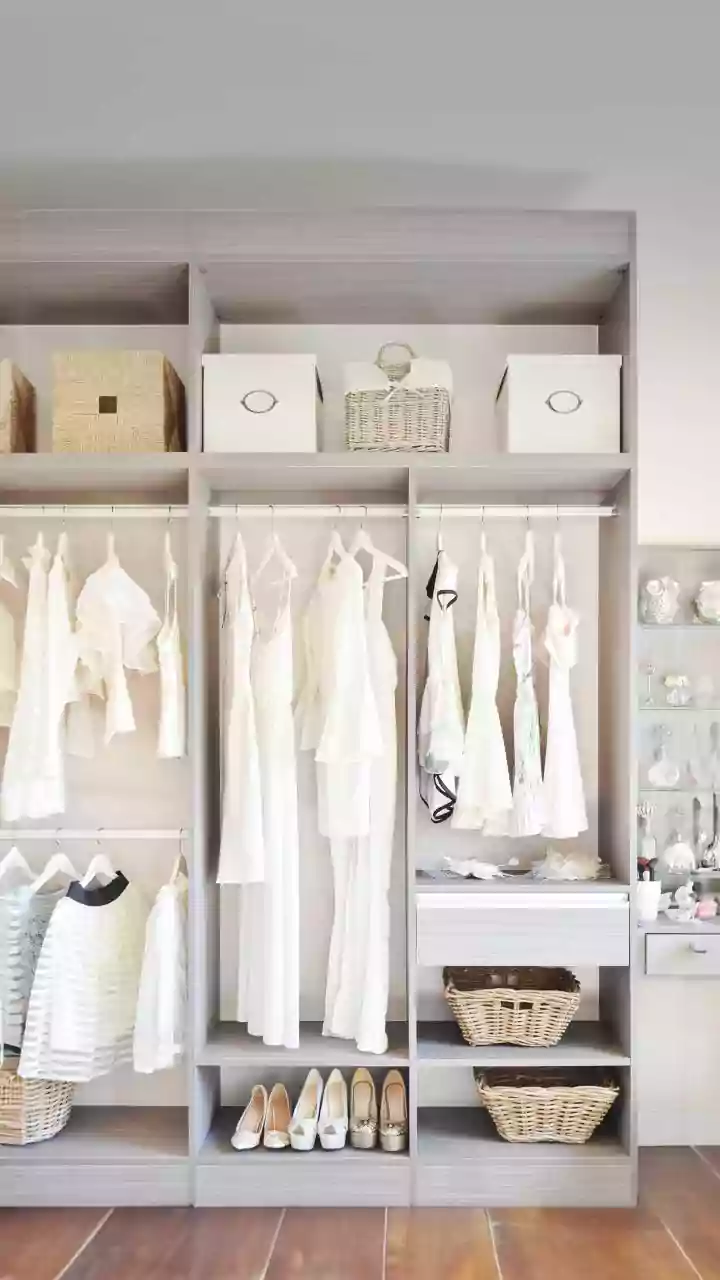
In most Indian urban homes, floor space is the biggest luxury. The most effective way to create more room is to think upwards. Your vertical space is an untapped resource waiting to be optimised. Instead of bulky, floor-standing cabinets that eat up precious square footage, look to your walls. Floating shelves are perfect for displaying books, plants, and decor without adding visual weight. Consider installing tall, narrow bookshelves that draw the eye upward, making the room feel more expansive. One of the most impactful hacks is extending your wardrobes and kitchen cabinets all the way to the ceiling. That often-ignored gap at the top is perfect for storing seasonal items like heavy blankets, luggage, or festival decorations that you only need a few times a year.
Embrace Multi-Functional Masterpieces
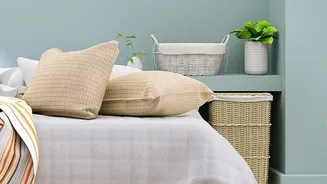
The golden rule of furnishing a small space is to choose pieces that work harder. Multi-functional furniture has become a necessity in modern Indian homes for this very reason. A sofa-cum-bed, for instance, transforms a living room into a guest room in seconds, eliminating the need for a separate guest bed. Similarly, a bed with built-in hydraulic storage or drawers can replace an entire cupboard, providing a hidden home for extra bedding and seasonal clothes. Other smart choices include nesting tables that can be separated for guests and stacked away after, ottomans with hidden storage for cushions and toys, and wall-mounted foldable tables that serve as a dining area or work desk when needed and fold flat against the wall when not in use.
Find Gold in Forgotten Corners
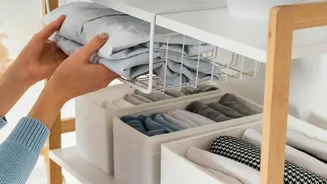
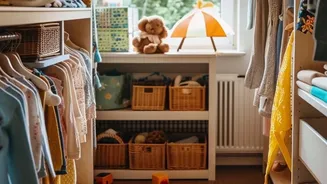
Beyond the obvious, every small home has awkward nooks and crannies that can be converted into valuable storage. The empty space under a staircase, for example, can be transformed with custom shelves or drawers. Corners, which often go unused, are ideal for purpose-built corner shelving units that add storage without disrupting the flow of the room. Simple additions like over-the-door organisers can hold everything from jackets and bags to cleaning supplies, keeping them accessible but out of sight. In the kitchen, under-shelf baskets can double your cabinet capacity by using the empty vertical space between shelves. Even the narrow space behind a sofa can be utilised by adding a slim console table for keys, mail, and other daily essentials.
Maintain Order with Simple Rules
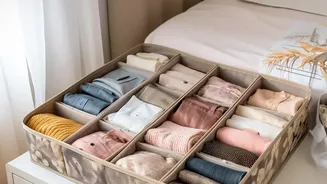
Once your smart storage systems are in place, maintaining a clutter-free home becomes a matter of habit. The most important principle is to declutter first before you organise. Trying to organise too many things is a losing battle. First, reduce the volume. After that, adopt the 'one-in, one-out' rule: for every new item you bring into your home, an old one must leave. This simple practice prevents the slow accumulation of clutter that can quickly undo all your hard work. Remember that decluttering is not a one-time event but a continuous process. Scheduling regular, small decluttering sessions—perhaps once a month—can keep your space feeling fresh and organised without becoming a mammoth task.