





The New Battleground: Why Tier 2 Cities?
For years, the quick commerce war was fought on the dense, traffic-clogged streets of Mumbai, Delhi, and Bengaluru. But as these metro markets become saturated with competing 'dark stores', companies like Blinkit, Swiggy Instamart, and Zepto are looking
elsewhere for growth. The answer lies in India's regional powerhouses: cities like Jaipur, Lucknow, Coimbatore, and Nagpur. These centres are home to a rapidly growing population of digitally savvy consumers with rising disposable incomes. They have the appetite for convenience but have historically been underserved by organized retail and ultra-fast delivery. For q-commerce players, this represents a massive, untapped market. The strategic pivot is clear: winning the next phase of Indian e-commerce means winning in these emerging urban hubs.
Small Spaces, Big Impact: The Micro-Fulfillment Model
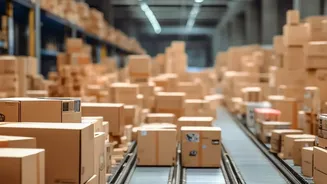
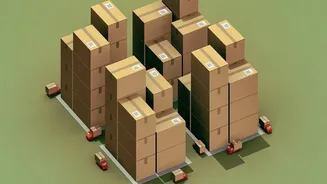
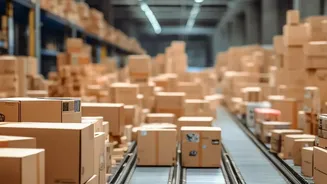
The engine of this expansion is the micro-fulfillment centre (MFC), often called a 'dark store'. Unlike a massive warehouse on a city's outskirts, an MFC is a small, strategically located facility, often just a few thousand square feet, tucked inside a dense residential or commercial neighbourhood. These centres don't have customer-facing storefronts; they are purely designed for one purpose: speed. By holding a curated inventory of the fastest-moving products—from groceries and snacks to basic electronics—close to where customers live, companies can drastically cut down on the last-mile delivery time. An order can be picked, packed, and handed to a delivery rider within minutes, making the 10-to-20-minute delivery promise a reality.
The Economics of Expansion
Moving into Tier 2 cities presents a different economic equation than operating in metros. While average order values might be slightly lower, this is often offset by significantly lower operating costs. Commercial rents for dark stores in cities like Indore or Jaipur can be 30-40% lower than in a metro, with labour costs also being more manageable. Furthermore, as companies like Flipkart have noted, the demand in these cities is robust, with order volumes growing at an exponential rate. Companies are adopting a measured rollout, establishing a presence in high-density clusters near universities and affluent residential zones to ensure their delivery economics remain viable from the start. This asset-light approach, often using pre-fabricated setups and shared logistics networks, allows for rapid, scalable expansion without massive upfront capital investment.
Technology as the Backbone
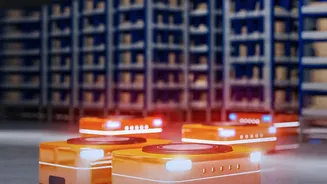
This entire operation is held together by a sophisticated technology stack. AI-powered demand forecasting predicts what products will be popular in specific neighbourhoods, ensuring each MFC is stocked with the right inventory. Warehouse Management Systems (WMS) optimize the layout of the dark store for the fastest possible picking and packing of items. Once an order is placed, route optimization algorithms instantly calculate the quickest path for the delivery rider, factoring in real-time traffic conditions. This digital infrastructure is crucial for managing the complexity of hundreds of small warehouses and thousands of orders, ensuring efficiency and accuracy under immense time pressure.
Challenges on the Road Ahead
Despite the opportunity, expanding into Tier 2 India is not without its hurdles. These regions can have infrastructure bottlenecks and less predictable demand patterns compared to metros. A fragmented logistics ecosystem and a shortage of skilled talent trained in modern warehousing can pose significant operational challenges. Moreover, as competition intensifies, companies risk burning through cash with deep discounts and high marketing spends to acquire customers, making the path to profitability a tightrope walk. The long-term success of this expansion will depend on building resilient supply chains and achieving operational excellence, not just on a rapid land grab.