

Embrace Soft, Knubby Fabrics
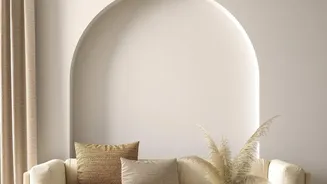
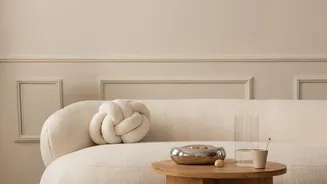
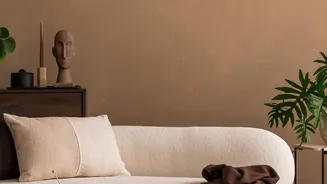
Fabrics like bouclé, sherpa, and chunky knits are at the forefront of creating cozy, serene spaces. Bouclé, with its looped, curly yarn, offers a visually soft and inviting texture that immediately dials up the comfort level. Once a high-fashion staple,
it has become essential in home decor for its ability to make furniture feel like a warm hug. You can incorporate this trend through a statement bouclé armchair, which acts as a soft sculptural element in a living room, or start smaller with plush cushions and throws on a sofa or bed. These materials add a layer of sensory comfort and are surprisingly durable, making them practical for everyday life. They soften the clean lines of a minimalist room, preventing it from feeling cold or empty.
Incorporate Natural Woven Fibers
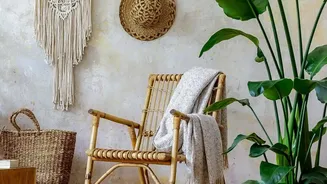
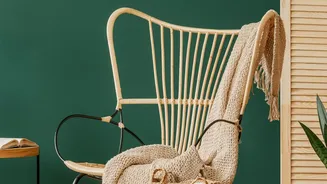
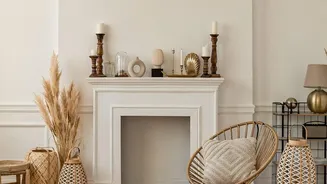
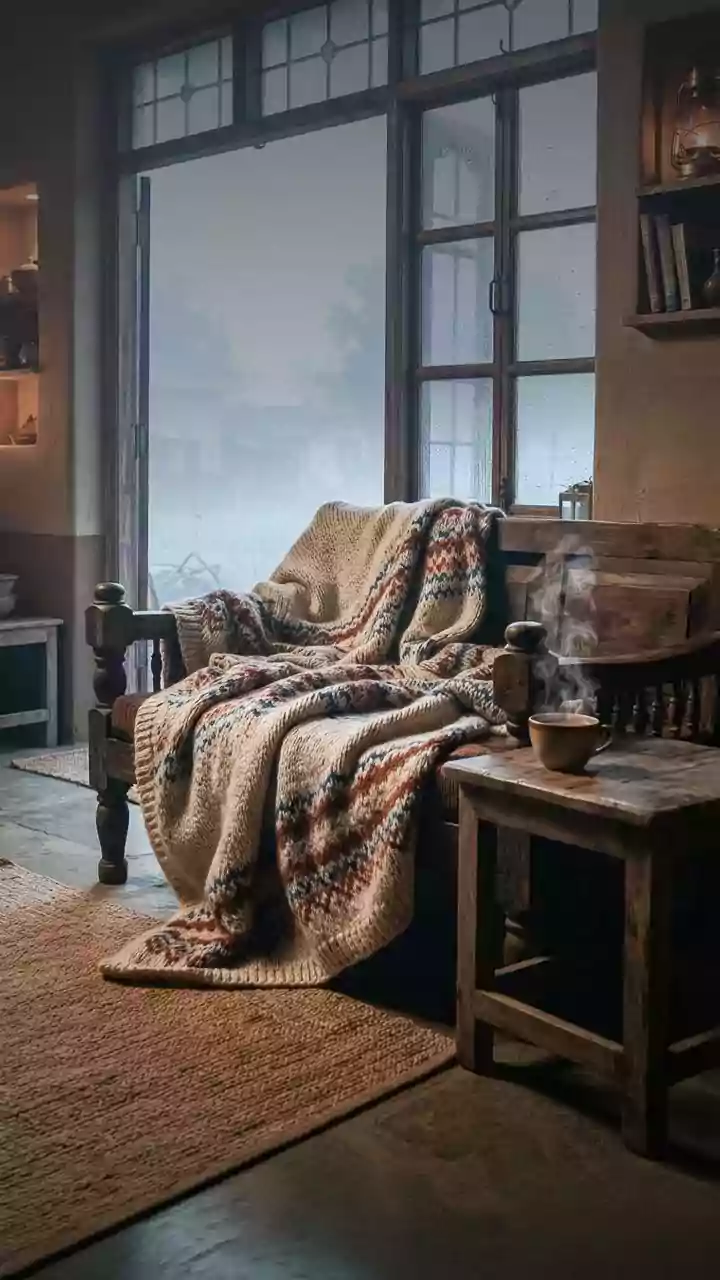
Materials like jute, rattan, and seagrass bring an organic, earthy element into the home that is inherently calming. These fibers connect us to the natural world, reducing stress and grounding the space. A jute rug is a popular choice for anchoring a living room or entryway, with its coarse yet soft texture adding depth to floors. Rattan furniture, known for its lightweight and airy design, has shed its old-fashioned reputation and is now celebrated for its versatility in everything from headboards to console tables. You can also use these fibers in smaller doses, such as wicker baskets for stylish storage, which help hide clutter while adding a textural touch. Mixing these rustic textures with smoother surfaces creates a balanced and harmonious look.
Introduce Fluted and Ribbed Surfaces
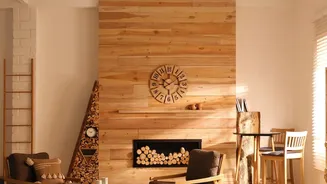
For a more architectural approach to texture, fluted and ribbed wood panelling is a timeless choice that has seen a major resurgence. These vertical grooves create a captivating play of light and shadow, adding a three-dimensional quality to otherwise flat surfaces. Fluted panels, with their concave, rounded grooves, offer a softer and more refined feel, ideal for kitchen islands, cabinetry, or as a sophisticated backdrop for a bed. Ribbed panels, which curve outward, provide a stronger, more defined texture perfect for a statement accent wall in a living room or hallway. This technique adds character and depth without introducing busy patterns or colors, maintaining a clean and elegant aesthetic.
Utilise Raw, Earthy Stone
Natural stone like travertine, limestone, or marble introduces a cool, organic elegance that feels both luxurious and grounding. Travertine, in particular, is cherished for its warm, earthy tones and unique porous texture, which brings a piece of history and nature indoors. While often used for flooring and backsplashes, travertine can also be used to create a stunning feature wall in a living room or a serene, spa-like atmosphere in a bathroom. The key is to let the stone's natural veining and imperfections become the focal point. Its subtle patterns add visual interest without creating clutter, and pairing it with soft textiles like linen or wool enhances its raw beauty.
Layer with Light, Airy Linens
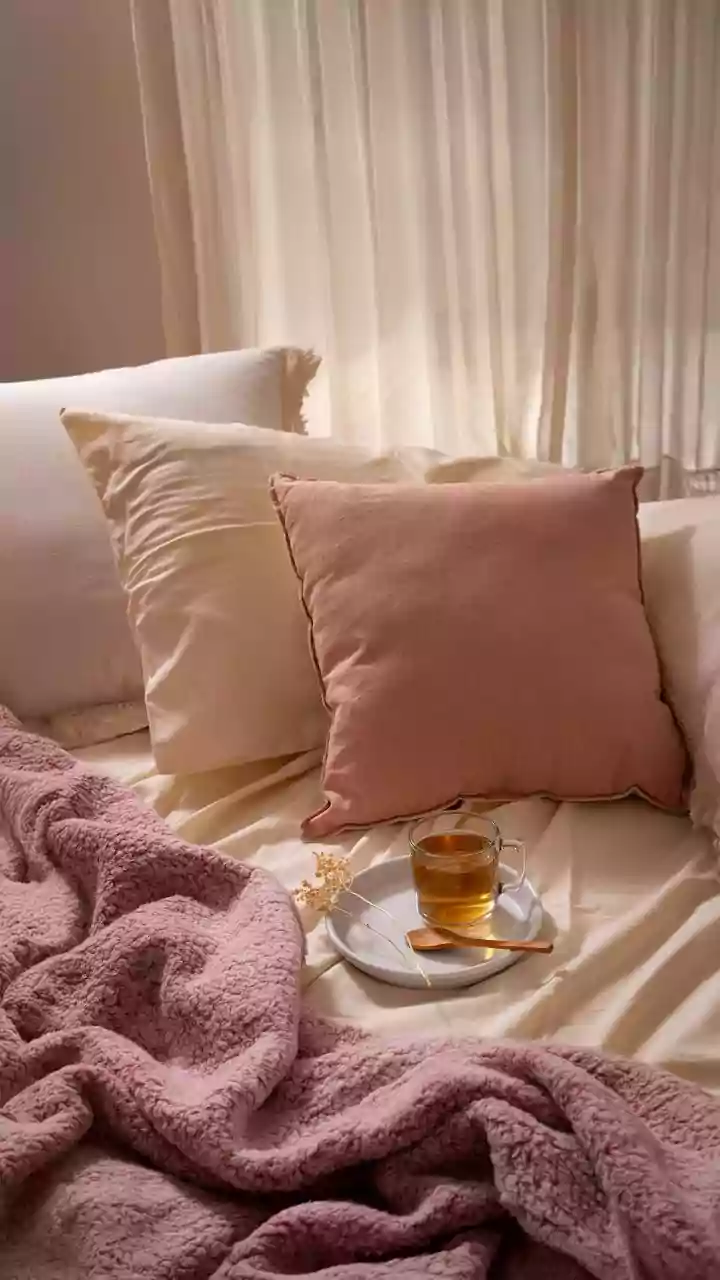
Linen is a cornerstone of calm and minimalist design for good reason. Its natural, breathable quality and subtly wrinkled texture add a layer of effortless sophistication and comfort. Unlike crisp, perfect fabrics, linen’s relaxed drape creates a lived-in, welcoming feel. Use semi-sheer linen curtains to diffuse natural light, creating a soft and gentle ambiance in any room. On the bed, layering linen sheets and duvet covers in neutral, muted tones like soft grey, beige, or white enhances the feeling of a restful sanctuary. A simple linen throw draped over a sofa can also add a touch of texture and warmth, proving that sometimes the simplest materials have the biggest impact.