


A New Lab in the Sky
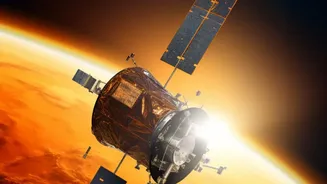
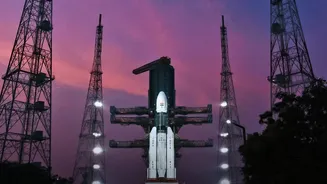
On October 1, 2026, an Indian-built satellite equipped with powerful AI processors is scheduled to launch into orbit. Developed by Hyderabad-based startup TakeMe2Space, the MOI-1A satellite is not just another eye in the sky; it's an 'orbital computing'
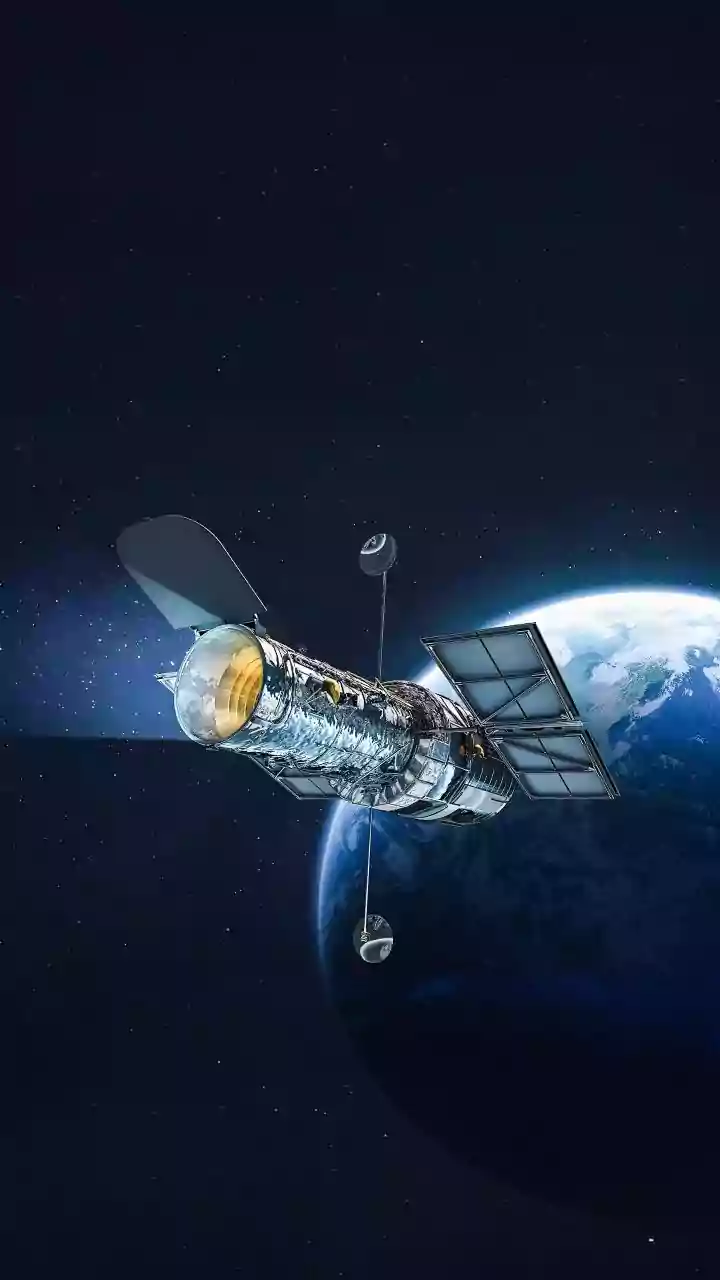
platform designed to think for itself. Unlike traditional satellites that simply capture and transmit raw data, this new generation of spacecraft can process and analyse information directly in orbit using advanced AI models and Nvidia processors. This capability, often called 'edge computing in space', represents a fundamental change in how we gather intelligence from above. Instead of beaming down terabytes of raw images for analysis on the ground, the satellite can be tasked to find specific insights—like identifying healthy crops or tracking infrastructure changes—and send back only the valuable, finished analysis.
Solving the cosmic data jam
Modern Earth-observation satellites are incredibly powerful, capable of generating enormous volumes of data every day. This has created a significant bottleneck. Transmitting massive datasets from orbit back to Earth is slow, expensive, and requires immense bandwidth. Ground stations can become overwhelmed, and the delay between data capture and actionable insight can be significant. This is a major hurdle for time-critical applications like disaster response, where every second counts, or for military surveillance. For example, sifting through thousands of images to find one piece of crucial information can take hours or days with the traditional method. The current model of collecting everything and sorting it out on Earth is becoming unsustainable as satellite imaging technology becomes more advanced.
How Onboard AI Changes Everything
By moving the 'brain' onto the satellite itself, orbital computing flips the script. The MOI-1A mission will allow its 23 confirmed customers—spanning agriculture, mining, and insurance—to upload their own AI models directly to the orbiting satellite. As the satellite flies over a designated area, the onboard AI will execute its task, analyse the imagery, and downlink only the results. This drastically reduces the amount of data that needs to be transmitted, freeing up bandwidth and enabling near real-time decision-making. It's the difference between mailing a whole library to a researcher versus just sending them the specific paragraph they need. This efficiency makes satellite data more accessible and useful for a wider range of commercial applications.
Paving the Way for Future Missions
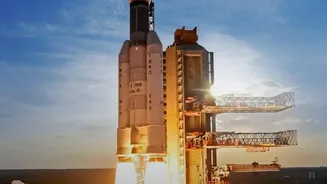
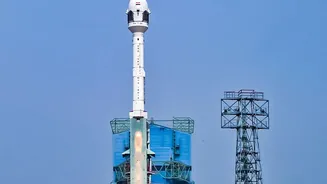
This technological leap is not just a commercial venture; it's a critical enabler for India's most ambitious future space endeavours. ISRO has recognised that AI is no longer theoretical but a necessity for complex missions. For the upcoming Gaganyaan human spaceflight mission, AI-powered systems will be vital for crew safety and autonomous operations. For deep-space missions, where communication delays can be up to 20 minutes, spacecraft must have the autonomy to navigate and make decisions independently. Furthermore, missions like the joint NASA-ISRO Synthetic Aperture Radar (NISAR) will generate unprecedented amounts of data, making onboard AI processing essential for managing the flow of information. This test serves as a crucial foundation, proving the technology that will underpin India’s next generation of exploration and observation.