






Understanding the Two Tax Regimes
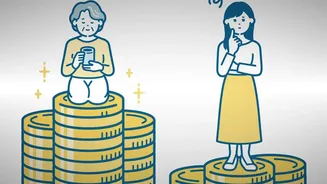
Think of it as choosing between two different paths. The Old Tax Regime is the traditional path, full of opportunities to lower your taxable income by claiming deductions for various investments and expenses. The New Tax Regime is a newer, simpler path with
lower tax rates but far fewer deductions. Since 2023, the New Regime is the default option, meaning if you don't choose, your taxes will be calculated under this system automatically. However, as a salaried employee, you have the flexibility to switch between them each financial year.
The Old Regime: Rewarding Investments and Expenses
The old system is designed to encourage saving and certain types of spending. It allows you to reduce your taxable income by claiming a wide range of deductions. Key deductions include a standard deduction of ₹50,000, up to ₹1.5 lakh under Section 80C for investments in things like Public Provident Fund (PPF), life insurance, or Equity Linked Savings Schemes (ELSS). You can also claim deductions for health insurance premiums (Section 80D), interest on education loans (Section 80E), and, importantly, House Rent Allowance (HRA) if you live in a rented home. This regime is generally beneficial for those who plan to make significant tax-saving investments or have major expenses like rent or a home loan.
The New Regime: Simplicity and Lower Rates
The New Tax Regime was introduced to simplify the tax process. It offers lower income tax slab rates but requires you to give up most of the popular deductions, including HRA, LTA, and Section 80C. However, it's not entirely without benefits. A key advantage is a higher standard deduction of ₹75,000 for salaried individuals. It also provides a tax rebate that makes income up to ₹7 lakh effectively tax-free. Because of its simplicity and lower entry-level rates, it's designed to be attractive for those who may not have many investments or expenses to declare.
So, Which One Is Better for a Fresh Graduate?
For a fresh graduate, the answer often leans towards the New Tax Regime, but it's not a universal rule. The New Regime is typically better if your total eligible deductions under the old system are minimal. For instance, if you are living with your parents and don't pay rent, have no education loan, and haven't started investing in tax-saving instruments, the simplicity and lower rates of the new system will likely result in lower tax outgo. However, if you've moved to a new city and are paying a significant amount in rent (allowing for a large HRA claim), or if you have an education loan, the Old Regime might save you more money despite its higher tax rates. The key is to estimate your potential deductions. If they are substantial, the old regime could be the winner.
How to Make an Informed Decision
Don't guess. The first step is to estimate your annual income. Next, list all the potential deductions you could claim under the Old Regime. This includes your PF contribution (part of 80C), any rent you pay, and any insurance premiums or investments you plan to make. Once you have these numbers, you can use an online income tax calculator. These tools allow you to input your details and will show you the tax liability under both regimes, giving you a clear comparison. Based on this, you can inform your employer of your choice for the financial year so they can deduct TDS accordingly. Remember, even if you choose one option with your employer, you can switch to the other when you file your Income Tax Return (ITR) before the deadline.