






Start with a Mindset Shift
Before you even lace up your shoes, the most important first step is to redefine what 'exercise' means. For many, the word is loaded with pressure and expectations of high-intensity, punishing routines. Instead, think of it as movement. The goal is to celebrate
what your body can do and find activities that feel good. Shifting your focus from weight loss to feeling more energetic, improving your mood, and gaining strength can make the entire process more rewarding and sustainable. This journey is about self-care, not self-punishment.
Embrace Low-Impact Movement
When you carry more weight, your joints are under greater stress. High-impact activities like running or jumping can increase the risk of pain and injury, derailing your efforts. Low-impact exercise is the perfect solution, as it minimizes stress on the knees, hips, and ankles while still providing excellent cardiovascular and strength benefits. Great options include swimming, water aerobics, cycling on a stationary bike, and using an elliptical machine. Water-based activities are particularly beneficial because the water's buoyancy supports your body, making movement feel almost weightless.
Discover the Power of Walking
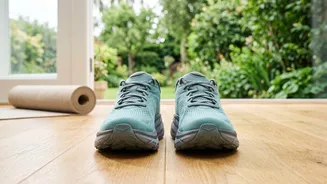
Walking is arguably the most accessible, effective, and sustainable form of exercise for anyone starting out. It requires no special equipment beyond a comfortable pair of shoes and can be done almost anywhere. Walking is proven to help maintain a healthy weight, reduce body fat, improve mood through the release of endorphins, and lower the risk of chronic diseases like heart disease and type 2 diabetes. To begin, focus on consistency rather than speed or distance. Even a 10-15 minute walk each day is a fantastic start. As you get more comfortable, you can gradually increase the duration or pace.
Build a Foundation with Strength Training
Many beginners focus solely on cardio, but strength training is a critical component for sustainable fitness. Building muscle helps support and protect your joints, improves bone density, and boosts your metabolism, meaning your body burns more calories even at rest. You don't need to lift heavy weights to see benefits. Start with bodyweight exercises or use light resistance bands. Simple, functional movements like chair squats (sitting down and standing up from a sturdy chair) and glute bridges build practical strength for everyday life. Focusing on proper form is more important than the amount of weight you lift.
Consistency Trumps Intensity
The 'all or nothing' approach often leads to burnout and quitting. It's far more effective to engage in shorter, more frequent sessions of moderate activity than to push through one or two grueling workouts per week. The Centers for Disease Control and Prevention (CDC) recommends at least 150 minutes of moderate-intensity exercise per week, which can be broken down into 30 minutes, five days a week. You can even split that into smaller, 10-minute chunks throughout the day. Building a regular routine makes movement a habit, just like brushing your teeth.
Listen to Your Body and Find the Fun
Learning to listen to your body is a crucial skill. It's important to distinguish between the normal discomfort of muscle fatigue and the sharp pain that signals a potential injury. Don't be afraid to take rest days; recovery is when your muscles get stronger. Finally, the true secret to sustainability is enjoyment. If you dread your workout, you won't stick with it. Explore different activities until you find something you genuinely look forward to. Try dancing in your living room, hiking in a local park, or joining a group class. When fitness becomes fun, it becomes a permanent part of your life.