

While the grand capitals of Europe have an undeniable allure, the continent's true magic often reveals itself in the places just beyond the spotlight. For a trip rich in culture without the crowds, consider these dynamic second cities.
Ghent, Belgium: A Medieval Marvel
Often overshadowed
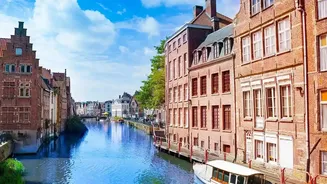
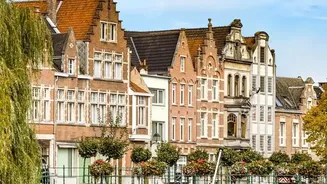
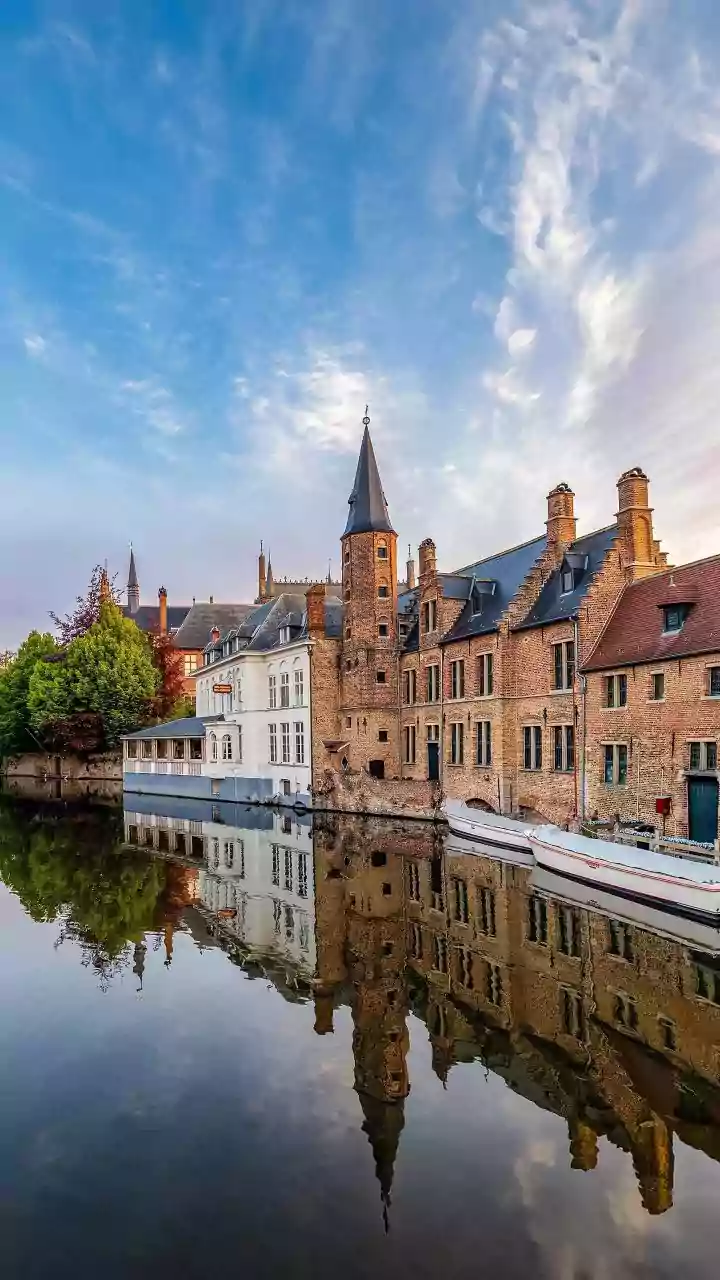
by Bruges, Ghent offers a more lived-in and equally beautiful alternative. Its historic centre is a stunning tapestry of medieval and Renaissance architecture, crowned by landmarks like the Gravensteen castle and the soaring Ghent Belfry. The city's canals provide a gorgeous backdrop for a boat tour, offering a different perspective on the historic guildhalls that line the Graslei and Korenlei quays. Once a major European city during the Middle Ages, Ghent today has a relaxed, artistic vibe, thanks in part to its large student population. This energy is palpable in its experimental restaurants, quirky shops, and even a dedicated 'Graffiti Alley'. The city boasts an impressive array of museums, from the Museum of Fine Arts to the S.M.A.K. for contemporary art and the Design Museum Gent. It’s a city that feels both like a fairytale and a vibrant, modern hub.
Bologna, Italy: The Learned, the Fat, the Red
Known by its nicknames 'La Dotta' (the learned), 'La Grassa' (the fat), and 'La Rossa' (the red), Bologna is a sensory delight that’s often skipped on the well-trodden path between Florence and Venice. Home to the world's oldest university, the city buzzes with a youthful energy that complements its ancient streets. Its most distinctive features are the nearly 40 kilometres of UNESCO-listed porticoes, or covered walkways, that make exploring in any weather a pleasure. These arcades lead you through medieval market lanes in the Quadrilatero district, past the iconic Asinelli and Garisenda towers, and all the way up to the stunning hilltop Sanctuary of the Madonna di San Luca. Beyond its architectural beauty and world-renowned cuisine, Bologna holds many 'seven secrets', including a hidden canal view at Finestrella di Via Piella and whispering walls under the Palazzo del Podestà.
Lyon, France: A Culinary and Cultural Powerhouse
As France's third-largest city, Lyon is hardly a secret, but it offers a distinct cultural flavour often missed by those focused on Paris. Regarded as the gastronomic capital of France, its heart can be found in the 'bouchons'—traditional Lyonnaise bistros. But its cultural appetite is just as vast. The city is a UNESCO World Heritage site, with history stretching from the Roman ruins at Fourvière Hill to the Renaissance charm of Vieux Lyon (Old Town). A unique feature of the old town are the 'traboules', a network of hidden passageways once used by silk merchants. The Musée des Beaux-Arts is considered one of France's most important art museums outside of Paris, and the city also celebrates the birth of cinema at the Lumière Institute. From the grand Place des Terreaux to the sprawling Parc de la Tête d'Or, Lyon provides a rich, multi-layered urban experience.
Porto, Portugal: Charm on the Douro
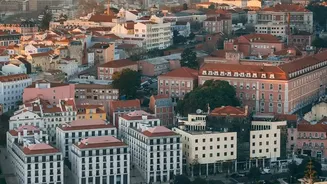
While Lisbon has surged in popularity, its northern sister city, Porto, retains a gritty and enchanting charm all its own. Built on the steep banks of the Douro River, its historic Ribeira district is a colourful jumble of buildings, with the iconic double-decker Dom Luís I Bridge connecting it to Vila Nova de Gaia. Gaia is the heart of the port wine trade, and no trip is complete without a tour and tasting at one of its many historic cellars. Porto's cultural offerings extend to the stunning azulejo tiles that adorn São Bento Railway Station and the Capela das Almas (Chapel of Souls). Visitors can climb the Clérigos Tower for panoramic views, wander through the opulent Palácio da Bolsa, or simply get lost in the winding streets. It’s a city that rewards exploration, offering stunning viewpoints, or 'miradouros', at nearly every turn.
Leipzig, Germany: The New Berlin?
Once a major trade hub in the Holy Roman Empire, Leipzig is re-emerging as one of Germany's most dynamic cultural centres, often hailed as 'the new Berlin' for its creative energy and affordable cool. Its musical heritage is profound; Johann Sebastian Bach was the choirmaster at St. Thomas Church, and the city is home to the world-renowned Gewandhaus Orchestra. The city's history is visible everywhere, from the monumental Völkerschlachtdenkmal, which commemorates Napoleon's defeat, to St. Nicholas Church, the starting point for the peaceful protests that helped end the Cold War. Today, old industrial spaces have been reborn as creative hubs, most notably the Spinnerei, a former cotton mill that now houses over 100 artist studios and galleries. With a rich museum landscape including the Museum of Fine Arts and the GRASSI Museum complex, Leipzig offers a compelling blend of high culture and alternative spirit.