





Start Your Seeds Indoors
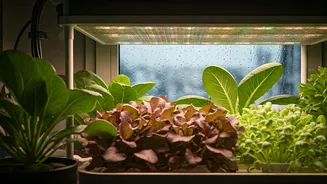
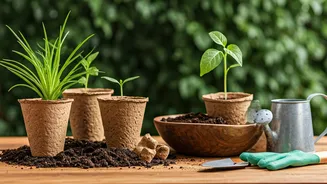
One of the biggest challenges of monsoon gardening is heavy rain washing away freshly sown seeds. By starting them indoors, you give delicate seedlings a protected environment to establish strong roots. Vegetables like tomatoes, chillies, brinjal, and
various gourds are perfect candidates. Sow seeds in seed trays or small pots filled with a light, well-draining mix about 4-6 weeks before the monsoon typically arrives in your area. Keep them in a spot that receives bright, indirect light. This gives you sturdy saplings ready for transplanting once the rains are consistent, saving you time and ensuring a higher success rate.
Craft the Perfect Monsoon Soil Mix
The relentless downpour can lead to waterlogged soil, which is the primary cause of root rot in monsoon. Preparing a well-draining potting mix is a non-negotiable indoor task. A good mix would typically include garden soil, compost or vermicompost, and a material to enhance drainage like coarse sand, perlite, or cocopeat. Cocopeat helps retain moisture without becoming waterlogged, while sand or perlite creates air pockets, allowing excess water to drain freely. Mixing this indoors keeps you and your supplies dry, and ensures you have a ready-to-use batch for all your pots and containers.
Master the Art of Propagation
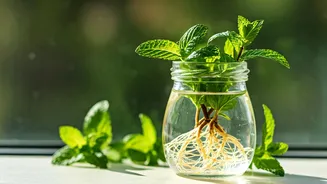
The high humidity of the monsoon season is incredibly conducive to propagation—the process of creating new plants from cuttings of existing ones. Before the season peaks, take healthy 4-6 inch cuttings from your favourite houseplants like money plant, pothos, and coleus, as well as herbs. You can place them in a glass of water and watch the roots sprout, or dip the ends in rooting hormone and plant them in a moist medium. By the time the monsoon garden is in full swing, you'll have a fresh batch of new plants to add to your collection, for free.
Gather and Prep Your Tools
Don’t wait for the first downpour to realise your trowel is rusted or your pruning shears are dull. Use the pre-monsoon period to take stock of your gardening arsenal. Clean, sharpen, and oil all your metal tools to prevent rust, which is rampant in the damp weather. Consider investing in tools with stainless steel parts and rubber grips, which are safer and more durable in wet conditions. Ensure you have a good supply of pots with adequate drainage holes, stakes for supporting tall plants against winds, and natural pest repellents like neem oil. Having everything ready makes gardening in the rain a joy rather than a chore.
Plan Your Garden Layout
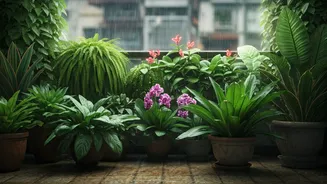
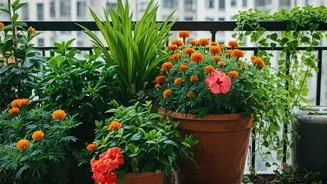
A successful garden is also a well-planned one. Use this indoor time to sketch out where you'll place your plants. Identify spots on your balcony or in your yard that receive adequate sunlight but are also sheltered from the harshest rain and wind. Decide which climbing plants like gourds and beans will need trellises for support. Group plants with similar water and light needs together. This planning stage helps you make the most of your space and ensures that each plant is in a position to thrive. It also prevents overcrowding, which can improve air circulation and reduce the risk of fungal diseases that are common during the monsoon.