
What Is the Breakfast Revolution?
For generations, an Indian breakfast was a predictable affair, defined by geography: poha in the West, parathas in the North, and idli-dosa in the South. These meals were homemade, familiar, and deeply comforting. Today, a national shift is taking place,
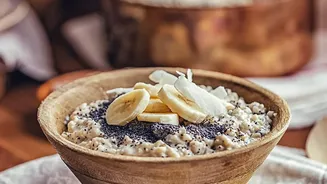
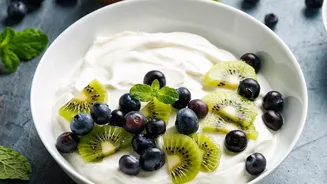
driven by two powerful forces: the need for speed and a growing consciousness around health. Urban professionals with hectic schedules are reaching for convenient options like oats, smoothies, and ready-to-cook mixes. The packaged breakfast market is booming, catering to this demand for quick and easy meals. At the same time, there's a strong counter-current—a rediscovery of traditional ingredients. Ancient grains like millets (ragi, jowar, bajra) are making a huge comeback, celebrated for their high fibre and nutritional benefits. This isn't about choosing between modern and traditional, but blending them.
The Southern Makeover: Millets Meet Tradition
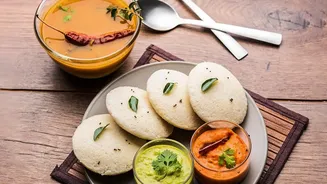
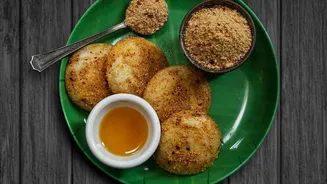
South India's breakfast staples—idli, dosa, and upma—have never left the building, but they are getting a modern, healthy makeover. The 'revolution' here is less about replacement and more about enhancement. Walk into a health-conscious Southern kitchen today, and you are likely to find idli batter made not just from rice, but from ragi or little millet. These millet-based versions are lighter, have a lower glycemic index, and are packed with nutrients, making them a popular choice. Companies are also tapping into this by offering a variety of ready-to-cook millet dosa and idli mixes, perfectly blending traditional taste with modern convenience. The classic upma is also being reimagined with foxtail millet or barnyard millet instead of semolina, offering a more fibrous and filling start to the day.
Northern Staples, Healthier Choices
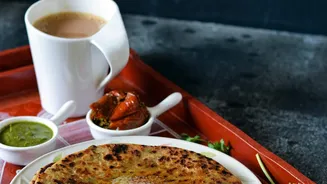
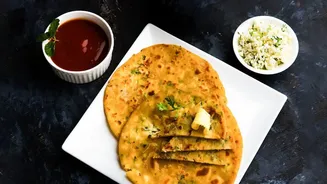
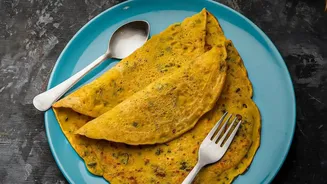
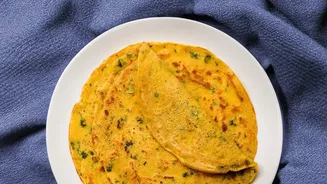
In the North, the hearty paratha remains an undisputed breakfast king. However, the way it's being made is changing. Instead of being exclusively made with whole wheat, many households now use multigrain atta or flour fortified with millets like bajra to increase fibre and nutritional value. The generous dollop of white butter is often being swapped for a spoonful of ghee or a side of yogurt. Another star from the region is the besan chilla, a savoury pancake made from gram flour. Already a healthy option, it is now being adapted with fillings like grated paneer or chopped vegetables to boost its protein content, making it a complete and balanced meal. These subtle tweaks show a move towards making traditional favourites more aligned with modern wellness goals.
Western and Eastern Adaptations
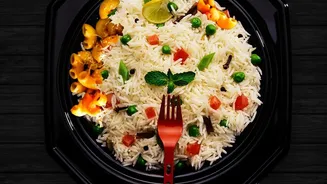
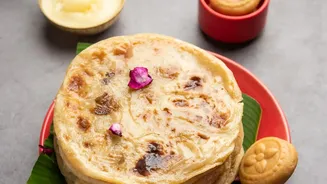
In Western India, states like Maharashtra and Gujarat have long championed nutritious breakfasts. Poha, made from flattened rice, is cherished for being light yet satisfying and is now often enriched with sprouts and vegetables. In Gujarat, the beloved dhokla and thepla are holding their ground, their naturally healthy profiles fitting well into the current trend. In the East, where rice-based breakfasts are common, there's a similar pattern of local adaptation rather than wholesale change. The core of the breakfast revolution here is the embrace of what's local and wholesome. It’s about making smarter, healthier versions of the foods that people have always loved, proving that the future of Indian breakfast is not a single, uniform dish but a vibrant mosaic of regional innovations.