





The Rise of a Desi Superfood
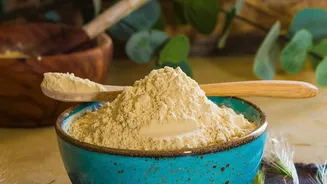
For generations, sattu—a flour made from roasted Bengal gram (chana)—has been a staple in the diets of farmers and wrestlers, celebrated for its energy-boosting properties. Today, this traditional powerhouse is making a major comeback, finding favour
with urban fitness enthusiasts. They are increasingly looking for clean, natural, and sustainable sources of nutrition, and sattu fits the bill perfectly. It's affordable, versatile, and deeply rooted in Indian culinary wisdom, making it a compelling alternative to expensive, imported protein supplements.
Sattu's Nutritional Powerhouse
So, what makes sattu so special? For starters, it is packed with high-quality plant-based protein, with a 100-gram serving providing around 20-22 grams. But its benefits go far beyond just protein. Sattu is rich in dietary fibre, which aids digestion, promotes gut health, and keeps you feeling full for longer. It also boasts a low glycemic index, meaning it provides a slow and sustained release of energy without causing sugar crashes. Furthermore, it is a great source of essential micronutrients like iron, magnesium, and calcium, which are vital for energy metabolism, muscle function, and bone health.
The Case for Processed Shakes
To be fair, processed workout shakes, particularly those made from whey protein, have their own set of advantages. Whey is a complete protein, containing all nine essential amino acids, including a high concentration of leucine, which is crucial for stimulating muscle protein synthesis. Its primary benefit is rapid absorption, making it an efficient choice for post-workout recovery when muscles are primed to take in nutrients. For athletes and bodybuilders with very high protein requirements, the convenience and high concentration of a whey protein scoop are hard to beat.
A Head-to-Head Comparison
When placed side-by-side, the choice between sattu and a processed shake becomes a matter of priorities. While whey protein offers a higher protein concentration per scoop and faster absorption, sattu delivers a more holistic nutritional package. Sattu’s high fibre content supports digestive health, an area where protein shakes can sometimes cause issues like bloating, especially for those with lactose intolerance. Concerns have also been raised about processed shakes containing additives, artificial sweeteners, and even heavy metals. In contrast, sattu is a whole food—unprocessed, pure, and clean. Financially, there is no contest; sattu is significantly more affordable, making a high-protein diet accessible to a wider audience.
How to Make the Perfect Sattu Bowl
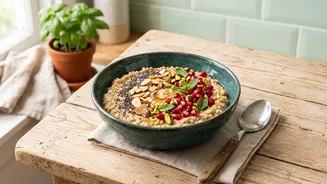
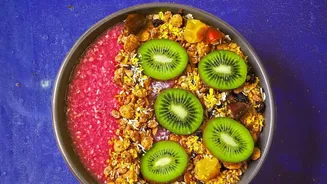
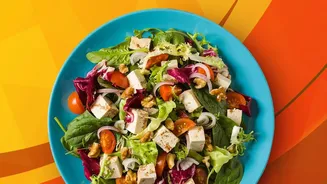
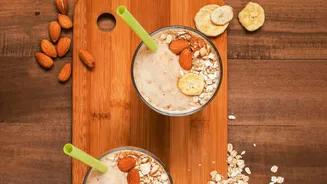
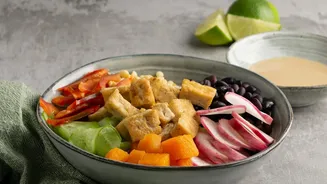
Incorporating sattu into your diet is incredibly easy. While the traditional way is a refreshing drink called 'sharbat', a sattu bowl offers a more substantial meal. To make a simple high-protein bowl, take a few tablespoons of sattu powder in a bowl. Slowly add water or buttermilk and mix to form a thick, smooth paste. You can then customise it to your liking. For a savoury bowl, mix in black salt, roasted cumin powder, chopped onions, and a squeeze of lemon juice. For a sweet version, blend it with milk or a plant-based alternative, a ripe banana, and a natural sweetener like jaggery. Topping it with nuts and seeds adds extra crunch, healthy fats, and nutrients.