




Understanding the Terracotta Wall Wash
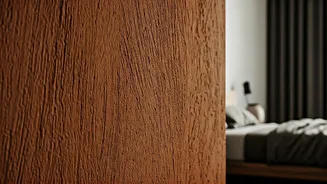
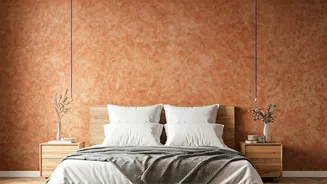
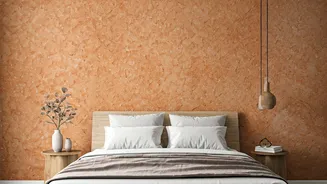
A wall wash is a painting technique that creates a soft, mottled, and textured appearance, unlike the uniform finish of a standard paint job. When done with terracotta hues, it mimics the look of aged plaster, sun-drenched clay walls, or rustic Mediterranean
villas. This technique layers a translucent glaze over a solid base coat, allowing for a beautiful play of light and shadow. The result is a surface with depth and movement, making your bedroom feel cosy, organic, and effortlessly chic. It's a perfect way to add personality and warmth without overwhelming the space with busy patterns.
Choosing Your Perfect Terracotta Shade
Terracotta isn't just one colour; it's a whole family of earthy tones. Before you begin, consider the mood you want to create. For a bright and airy feel, opt for lighter, peach-toned or dusty rose terracottas. For a dramatic, cocooning effect, choose deeper shades like burnt sienna, rust, or rich clay. It's a good idea to get a few sample pots and paint small swatches on your wall. Observe them at different times of the day to see how the natural and artificial light in your room affects the colour. Remember, the wall wash technique will create variations, so the final look will be a blend of your base colour and your wash.
Gathering Your Tools and Materials
Having the right tools is key to a smooth process. You don’t need professional-grade equipment, but a few specific items will make a big difference. Here’s a basic checklist:
- **Paint:** A satin or eggshell finish latex paint for your base coat in your chosen terracotta shade.
- **Glaze:** A clear, water-based scumble glaze. This is what you'll mix with your wash colour to make it translucent.
- **Wash Colour:** A second, slightly darker or lighter latex paint to mix with the glaze.
- **Tools:** Paint rollers, trays, painter's tape, drop cloths, and a bucket for mixing.
- **Application:** A large, natural sea sponge, a colour-washing brush, or clean, lint-free rags (cotton works well). Each will give a slightly different texture, so experiment to see what you prefer.
Prepping Your Walls for Success
Proper preparation is 90% of the work in any painting project. Start by clearing the room and covering floors and furniture with drop cloths. Use painter's tape to protect trim, skirting boards, and ceiling edges. Next, inspect your walls. Fill any cracks or holes with putty and sand them smooth once dry. Clean the walls thoroughly with a mild detergent and water solution to remove any dust, grease, or grime. A clean surface ensures the paint adheres properly. Finally, if your walls are dark or unpainted, apply a coat of primer. This creates a uniform base and helps your terracotta colour pop.
The Wall Wash Technique: A Step-by-Step Guide
Once your prep is done, the fun begins. Work in small, manageable sections (about 4x4 feet) to prevent the glaze from drying too quickly.
1. **Apply the Base Coat:** Using a roller, apply two coats of your primary terracotta paint. Let it dry completely according to the manufacturer's instructions—usually 24 hours.
2. **Mix the Wash:** In a bucket, mix your glaze and wash colour. A common ratio is four parts glaze to one part paint, but you can adjust this for more or less transparency. The mixture should be thin and easy to work with.
3. **Apply the Wash:** Dip your sponge or rag into the glaze mixture, wringing out the excess. Dab, wipe, or swirl it onto the wall over the dry base coat. Use random, overlapping motions to avoid creating a uniform pattern. The goal is a soft, organic texture.
4. **Soften and Blend:** While the wash is still wet, you can use a clean, dry brush or rag to soften any harsh edges and blend the sections together. Step back frequently to assess your work and ensure a cohesive look across the wall.
Styling Your New Earthy Bedroom
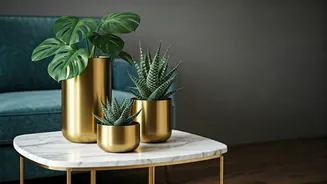
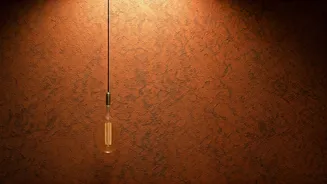
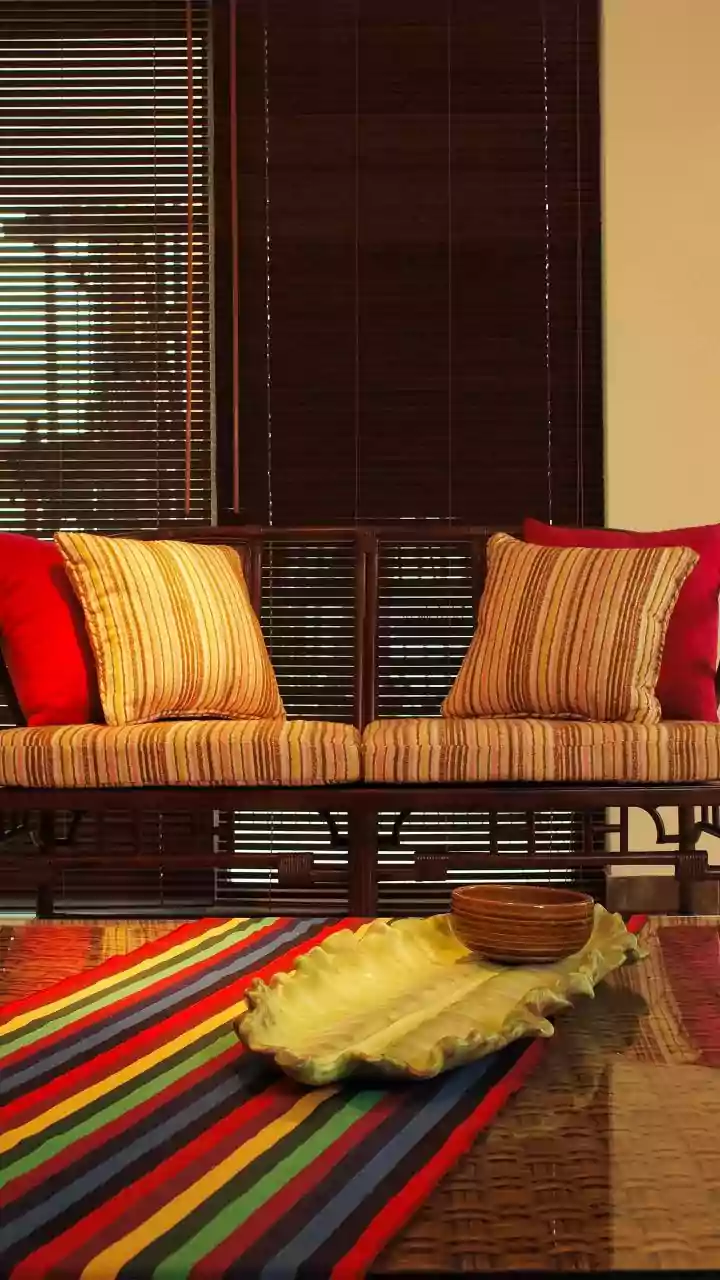
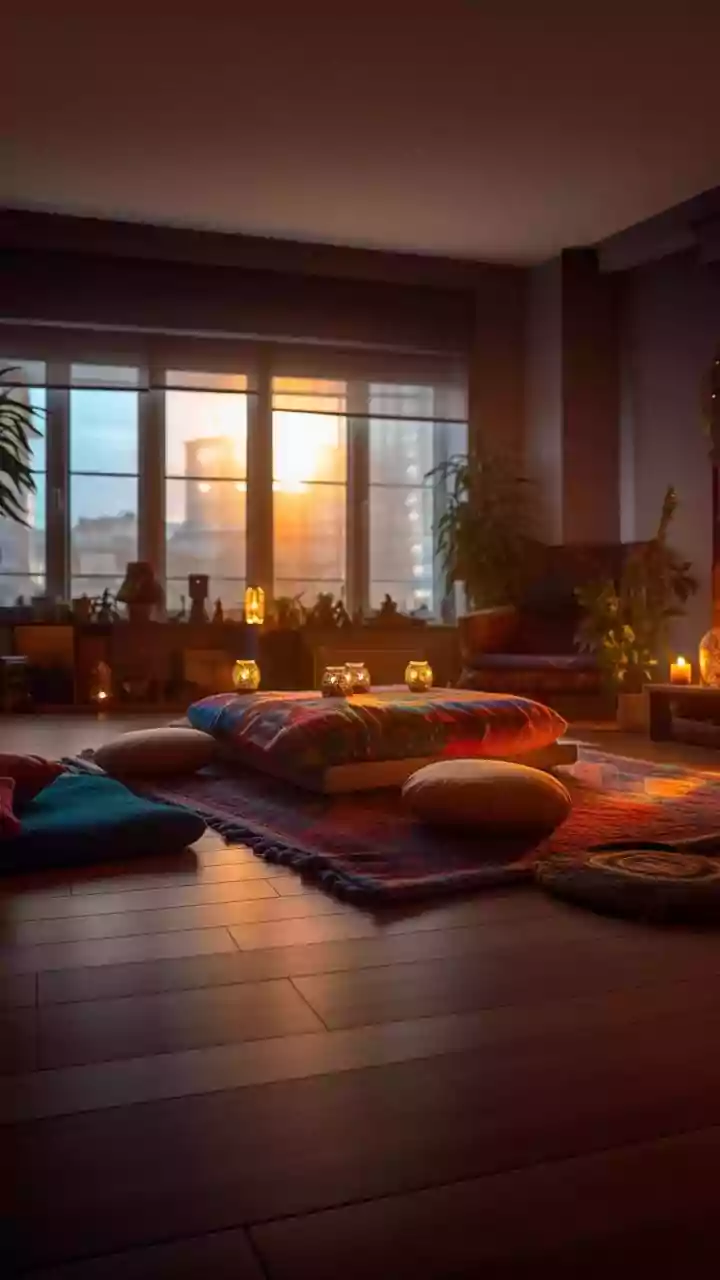
With your stunning new walls as the backdrop, complete the earthy makeover with thoughtful styling. Complement the terracotta with natural materials. Think jute rugs, rattan furniture, linen curtains, and wooden side tables. For bedding, opt for neutral colours like cream, beige, or olive green to let the walls be the star. Incorporate plenty of live plants to enhance the organic feel. Finally, consider warm, ambient lighting. Dimmable lamps with warm-toned bulbs will accentuate the wall's texture and create an incredibly inviting and peaceful atmosphere.