






The Golden Rule: Master the Art of Layering
The weather in the high altitudes of the Himalayas is notoriously unpredictable, changing from sunny to rainy and cold within hours. The single most important clothing strategy is layering. This allows you to adapt by adding or removing clothes as conditions
change. A typical three-layer system is the most effective way to stay warm, dry, and comfortable. Instead of packing bulky, heavy sweaters, think in terms of multiple, functional layers that work together to protect you from the elements.
Layer 1: The Base Layer for Moisture Control
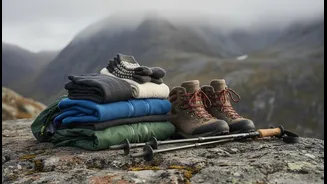
Your base layer is the foundation of your mountain wardrobe. This is the layer worn directly against your skin. Its primary job is not just to provide warmth, but to wick sweat and moisture away from your body to keep you dry. Cotton is a poor choice for a base layer as it absorbs sweat and stays wet, which can make you feel cold and increase the risk of hypothermia. Instead, opt for thermal innerwear made from synthetic fabrics like polyester or natural fibres like Merino wool. You will need at least two pairs of thermal tops and bottoms.
Layer 2: The Insulating Mid-Layer for Warmth
The mid-layer is your primary insulating layer, designed to trap body heat and keep you warm. This is the layer you'll wear over your thermals. Fleece jackets, light woollen sweaters, or a packable insulated jacket are excellent choices. A full-zip fleece is particularly versatile, allowing you to easily regulate your temperature. Depending on the temperature, you might carry this layer in your backpack during the warmer parts of the day and put it on as you ascend to higher altitudes or when the sun goes down.
Layer 3: The Protective Outer Shell
The outer layer, or shell, is your shield against wind and rain. This layer must be both waterproof and windproof. Sudden rain showers are very common during the Yatra season. Look for a seam-sealed jacket and waterproof trousers. A good quality raincoat or poncho that can cover both you and your backpack is non-negotiable. This layer keeps your insulating mid-layers dry, which is crucial for them to function effectively and keep you warm. The Shri Amarnathji Shrine Board specifically advises pilgrims to carry a raincoat and windcheater.
Footwear: Your Most Important Gear
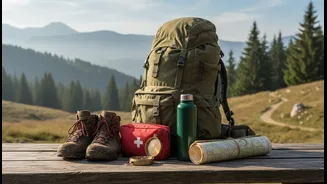
The trek involves navigating uneven, rocky, and often muddy or slippery paths. Your choice of footwear can make or break your journey. Invest in a pair of sturdy, waterproof trekking shoes with high ankle support and excellent grip. Do not wear new shoes for the Yatra; break them in by wearing them for a few days beforehand to avoid painful blisters. The Shrine Board explicitly advises against wearing slippers or walking barefoot. Also, pack several pairs of woolen socks to keep your feet warm and dry.
Essential Accessories for Head, Hands, and Neck
A significant amount of body heat is lost through your head. A woolen cap or balaclava (monkey cap) is essential, especially during the cold mornings and evenings. A pair of waterproof gloves will protect your hands from the biting cold. A muffler or scarf can also provide extra warmth and protection from dust. Sunglasses are also crucial, as the sun's UV rays are much stronger at high altitudes, even on cloudy days.
Special Advice for Women Pilgrims
The Shri Amarnathji Shrine Board provides specific guidance for female pilgrims. Due to the nature of the trek, sarees are considered unsuitable and are not recommended. Instead, practical and comfortable attire like a salwar kameez, pant-shirt, or a track suit is advised. Layering these outfits over thermal innerwear provides a practical solution that respects both comfort and tradition.