







The Heart of Assam's Tea Country
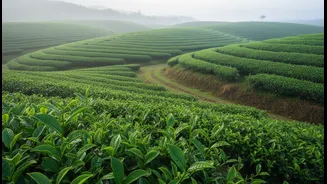
Jorhat is rightly known as the 'Tea Capital of India'. The region is dotted with over a hundred tea estates, their vibrant green landscapes stretching as far as the eye can see. For any traveller, a visit here is incomplete without immersing oneself in this
tea culture. You can explore historic plantations like the Cinnamora Tea Estate, which holds the distinction of being the first commercial tea estate in Assam. Many estates offer guided walks where you can learn about the meticulous process of tea cultivation, from plucking the leaves to the final production. Depending on the season, you might even get a chance to try plucking the leaves yourself. For a truly immersive experience, consider staying in a heritage tea bungalow. These colonial-era homes, now converted into boutique hotels and resorts, offer a tranquil retreat amidst the plantations, combining old-world charm with Assamese hospitality. A guided tea-tasting session with an expert is a highlight, allowing you to discern the nuanced flavours of different varieties of world-renowned Assam tea.
A Culinary Journey Through Local Flavours
The food in Jorhat offers an authentic taste of Assamese cuisine, which is known for its subtle flavours, use of fresh ingredients, and unique cooking techniques. A traditional Assamese thali is a must-try, offering a platter of diverse dishes. Look for specialties like 'Masor Tenga', a light and tangy fish curry that is a staple in the region. Another quintessential dish is 'Khar', a unique preparation made from raw papaya and water filtered through the ashes of banana peels. For a comforting side, 'Aloo Pitika'—mashed potatoes mixed with mustard oil, onions, and chillies—is a local favourite. Meat lovers can try 'Baanhgajor Lagot Kukura' (chicken with bamboo shoot) for its distinct, earthy flavour. To sample these dishes, visit local eateries and restaurants like Chouka, which is known for its authentic ethnic cuisine. Don't forget to try 'Pitha', a traditional sweet or savoury rice cake that is especially popular during festivals like Bihu.
Beyond the Tea Gardens
While tea is central to Jorhat's identity, the city also serves as a convenient base for exploring other significant attractions. A short journey from Jorhat takes you to Nimati Ghat, the ferry point for Majuli, the world's largest river island. This cultural hub is famous for its Satras (Vaishnavite monasteries) and unique, serene landscape. The ferry ride itself across the vast Brahmaputra River is a memorable experience. Nature and wildlife enthusiasts should not miss the Hoollongapar Gibbon Sanctuary. Located just a short drive from the city, this sanctuary is home to India's only ape, the Hoolock Gibbon, as well as several other primate species. Exploring the sanctuary is done on foot with a guide, offering an intimate and thrilling jungle experience. The sanctuary is a haven for birdwatchers and photographers, with its dense canopy and diverse fauna.
Planning Your Jorhat Visit
Jorhat is well-connected by air, rail, and road. The city has its own airport, Rowriah Airport (JRH), with flights from major cities like Kolkata and Guwahati. The main railway station is Mariani Junction, about 18 km away, which lies on the main line connecting other parts of Assam. The best time to visit is during the winter months, from October to March. During this period, the weather is cool and pleasant, making it ideal for sightseeing, exploring tea estates, and outdoor activities without the disruption of heavy monsoon rains. Accommodation options in and around Jorhat are plentiful, catering to various budgets. You can choose from heritage tea bungalows for a luxurious stay, boutique hotels in the city, or comfortable guesthouses. Whether you spend a couple of days focused on the city or use it as a base for a wider regional tour, Jorhat provides a deep and rewarding travel experience.