





The Deceptive Post-Monsoon Heat
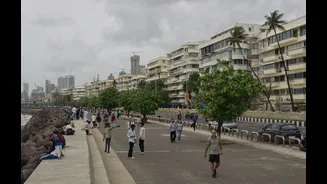
For Mumbaikars, the end of the monsoon doesn't always bring immediate relief. Instead, it often ushers in a period known as 'October Heat'. This phenomenon occurs when the retreating monsoon leaves behind clear skies and high humidity. With reduced cloud
cover, direct sunlight rapidly heats the city. This year has been particularly intense, with temperatures in early October soaring significantly above normal, making it feel more like peak summer. On October 12, 2026, the city recorded its second-hottest October day in over a decade at 38.2°C, well above the seasonal average. This sudden spike is attributed to an anti-cyclonic circulation delaying the cooling sea breeze that usually provides respite.
It’s Not the Heat, It’s the Heat Index
Focusing on temperature alone is misleading. The real danger lies in the heat index, or the 'feels like' temperature. This metric combines air temperature with relative humidity to measure how hot it really feels to the human body. Mumbai's coastal location means humidity remains high even after the rains stop. When humidity is high, sweat doesn't evaporate effectively from the skin, hindering the body's natural cooling process. For example, a temperature of 32°C with 70% humidity can feel like 41°C. This is why even on a day that seems moderately hot, the risk of heat-related illness is amplified, especially for those exerting themselves outdoors.
A City Built by Outdoor Labour
Mumbai's functioning relies heavily on a massive workforce that operates outdoors. Construction workers, traffic police, delivery personnel, and street vendors are the backbone of the city's economy. These individuals are on the front lines of the climate crisis, directly exposed to soaring heat indices for prolonged periods. Physical exertion increases the body's fluid loss through sweat, and when combined with limited access to shade, cool water, or rest, the risk of dehydration escalates dramatically. For these workers, 'powering through' isn't a choice; it's often a necessity of their job, but one that comes with severe health risks.
Recognising the Danger: Signs of Dehydration
Dehydration can be a silent threat that escalates quickly. Early signs are often mistaken for simple fatigue. These include thirst, a dry or sticky mouth, headaches, and muscle cramps. As the condition worsens, symptoms can progress to dizziness, weakness, reduced or absent sweating, and confusion. By the time a person feels thirsty, they are often already mildly dehydrated. For an outdoor worker, ignoring these early warnings can lead to more severe conditions like heat exhaustion or life-threatening heatstroke. It's crucial to recognise that symptoms like a headache or dizziness during outdoor work are not normal and signal that the body's cooling systems are failing.
Urgent Steps for Prevention and Safety
Preventing dehydration is straightforward but requires conscious effort. Workers should pre-hydrate before their shift and then drink water consistently every 15-20 minutes, even if they don't feel thirsty. Electrolyte drinks can also be beneficial for replacing minerals lost through heavy sweating. Whenever possible, work should be scheduled to avoid the peak heat of the day, typically between 11 a.m. and 4 p.m. Employers have a crucial responsibility to ensure safety. This includes providing easy access to cool drinking water, mandating regular rest breaks in shaded or cooled areas, and training supervisors to recognise the early signs of heat stress. Currently, while government bodies issue advisories, unions are pushing for more enforceable mandates to protect India's vast informal workforce.