





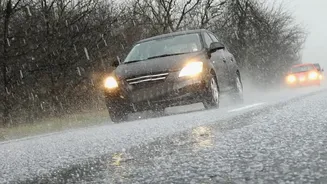
Make Your Vehicle Monsoon-Ready
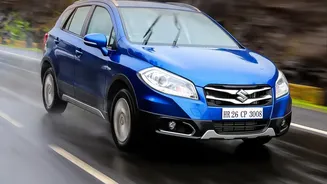
Before the rain sets in, a pre-monsoon check-up for your vehicle is non-negotiable. Your tyres are the first line of defence on wet roads. Ensure they have adequate tread depth to channel water away and prevent hydroplaning, a dangerous situation where
your vehicle loses contact with the road. Maintaining correct tyre pressure is also crucial for optimal grip and braking. Equally important are your brakes; get the brake pads and fluid levels checked, as wet conditions can significantly increase stopping distances. Finally, inspect your wiper blades. If they leave streaks or fail to clear the windshield effectively, replace them. A clear line of sight is essential, so also ensure all your vehicle's lights—headlights, tail-lights, and indicators—are functioning correctly to see and be seen.
Adopt a Defensive Driving Mindset
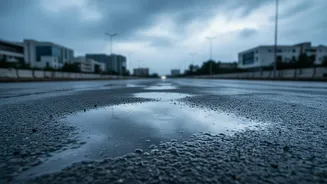
Monsoon roads demand a more cautious and defensive approach to driving or riding. The most important rule is to reduce your speed. Wet surfaces significantly reduce traction, and you need more time to react to unexpected hazards. Increase the following distance between you and the vehicle ahead to at least four to six seconds. This buffer gives you ample space to brake gradually and avoid rear-end collisions. Avoid sudden manoeuvres like sharp turns, abrupt acceleration, or hard braking, as these can easily cause your vehicle to skid. Be especially wary of puddles, which can conceal deep potholes or open drains. If you must drive through a waterlogged area, try to stay in the centre lane where water levels are often lowest and keep your engine revs steady to prevent water from entering the exhaust.
Plan Your Route and Time Your Travel
Spontaneity is not your friend during a monsoon commute. Before you leave, check weather forecasts and use traffic apps to get live updates on your route. This allows you to avoid roads known for severe waterlogging or heavy traffic jams. Having an alternate route planned in advance can save you from getting stuck. If possible, try to adjust your travel times to avoid peak rush hour, when congestion is at its worst and travel becomes more stressful and hazardous. If heavy rain is predicted, leaving a little earlier than usual provides a buffer for unexpected delays. The goal is to avoid rushing, which often leads to poor decision-making on treacherous roads. A few minutes of planning can be the difference between a smooth journey and a frustrating ordeal.
Gear Up for Personal and Gadget Safety
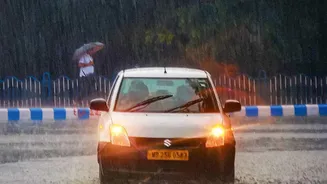
Your personal preparedness is just as important as your vehicle's. Always carry appropriate rain gear, like a reliable umbrella or a lightweight raincoat, to stay dry. Getting drenched can lead to health issues like colds and fever. Pay attention to your footwear; choose shoes or boots with good grip to avoid slipping on wet platforms, stairs, or pavements. It's also wise to protect your electronic gadgets. Use a waterproof backpack or keep your phone, wallet, and laptop in zip-lock bags for an extra layer of protection. Consider carrying a small emergency kit containing a first-aid kit, a flashlight, and a power bank, as travel delays can be unpredictable. Keeping a dry change of clothes or an extra pair of socks at your workplace can make a huge difference in your comfort for the rest of the day.
Practice Good Post-Commute Hygiene
The risks don't end the moment you reach your destination. If you've had to walk through floodwater, it's crucial to wash your hands and any exposed skin with soap and clean water as soon as possible. Floodwater can be contaminated with harmful bacteria and germs that can lead to infections. It’s also good practice to change out of wet clothes and footwear promptly to prevent fungal infections and other illnesses. For your vehicle, especially if you've driven through muddy or waterlogged areas, giving it a wash helps prevent the long-term corrosive effects of rust, particularly on the underbody. Wiping down your two-wheeler after a ride can also minimize rust on chrome and other metal parts. This final habit ensures both you and your vehicle stay healthy and ready for the next day's commute.