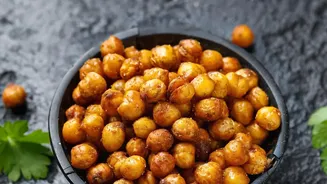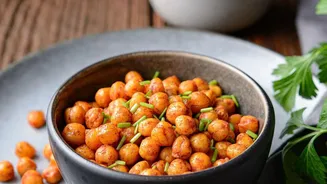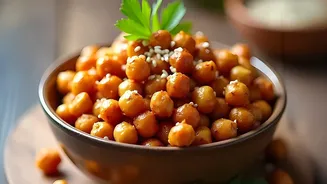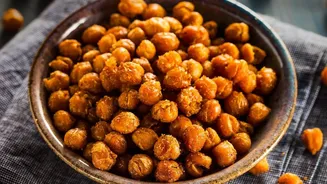


The Foundation of Crunch: Start Dry
The single most important step to achieving crunchy chickpeas happens before they even see the oven. Moisture is the enemy of crispiness. If you start with damp chickpeas, they will steam instead of roast, resulting in a leathery, chewy texture. Whether
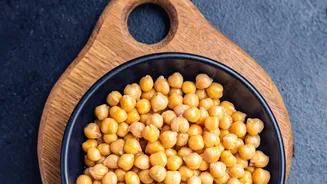
you're using canned or home-cooked chickpeas, they must be thoroughly dry. First, rinse them well to remove any starchy liquid from the can. Then, spread them on a clean kitchen towel or paper towels. Gently roll them around and pat them dry. For an even better result, let them air-dry for about 10-15 minutes on the counter. Some cooks even swear by removing the loose, papery skins, which can trap moisture. While tedious, it can lead to an even crunchier final product.
Roast High, Hot, and with Space
To get that coveted crunch, your oven needs to be hot. A temperature of 400-425°F (200-220°C) is ideal. This high heat helps evaporate any remaining surface moisture quickly. Equally important is giving the chickpeas enough room on the baking sheet. Spread them in a single, even layer, ensuring they aren't touching or piled on top of each other. Overcrowding the pan traps steam, which, as we know, prevents crisping. Use a large, rimmed baking sheet, and don't be afraid to use two sheets if you're making a big batch. For maximum heat contact, some chefs recommend placing the chickpeas directly on the baking sheet without parchment paper, as the direct heat helps them get extra crispy. Roast for 25-35 minutes, shaking the pan every 10-15 minutes to ensure they cook evenly on all sides.
The Great Oil and Spice Debate
When to add oil and seasonings is a point of contention, but there is a method to the madness. Many recipes suggest coating chickpeas in oil and spices before roasting. However, a superior technique for ultimate crunch is the 'dry roast first' method. Roasting the chickpeas plain for the first 15-20 minutes allows internal moisture to escape freely. After this initial dry roast, pull them from the oven, toss them with a bit of oil and your chosen spices, and then return them to the oven for another 10-15 minutes. This way, the oil's job is to fry the now-dry exterior, creating a much crispier shell. Adding salt before roasting can also draw moisture to the surface, working against your goal. Tossing the hot, roasted chickpeas with seasonings immediately after they come out of the oven allows the spices to adhere beautifully.
Let Them Cool for the Final Crisp
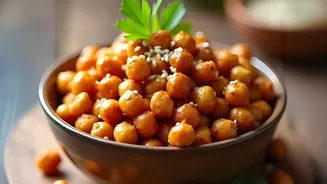
Patience is a virtue, especially when it comes to roasted chickpeas. They will continue to crisp up as they cool down. Once you pull the baking sheet from the oven, they might not have that perfect, hard crunch just yet. Let them cool on the hot pan for at least 10 minutes. The residual heat will help them dry out further and harden into the crunchy snack you're after. You'll know they're ready when a shake of the pan produces a dry, hollow rattling sound. Rushing this step is a common mistake that can leave you with a softer-than-desired center.
Flavoring Your Crunchy Creations
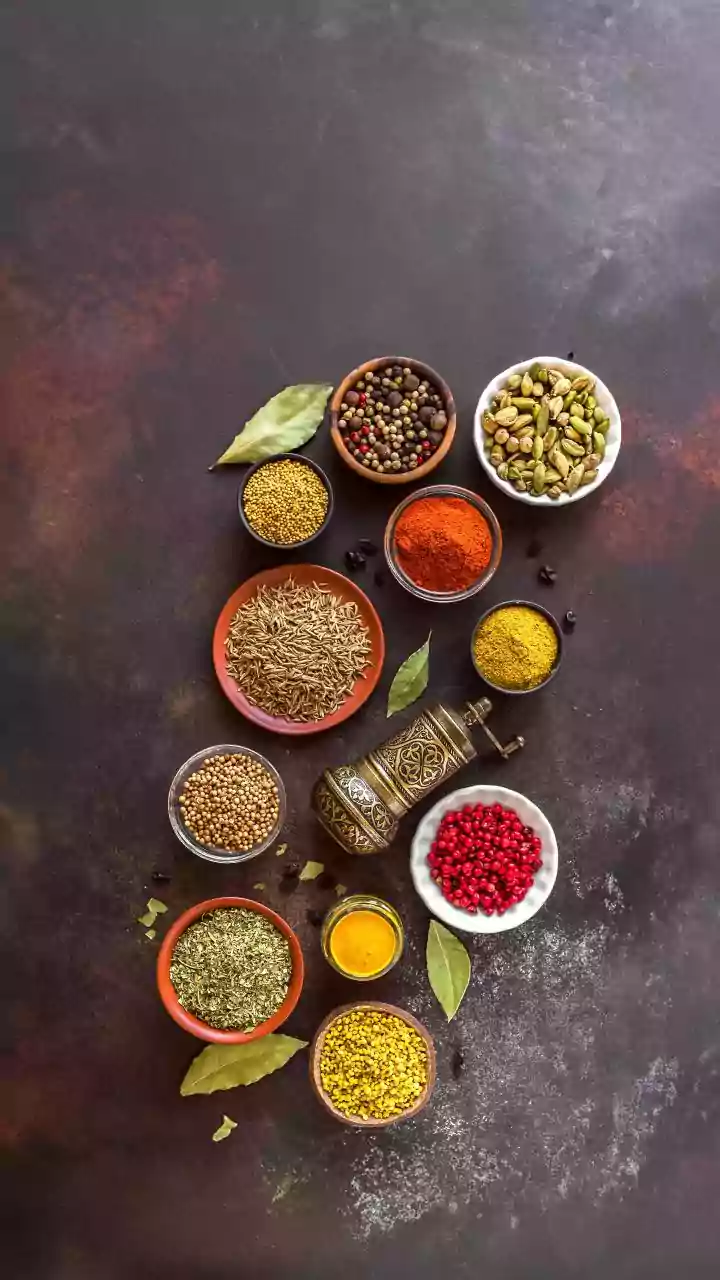
Once you have mastered the technique, the flavour possibilities are endless. For a classic savoury blend, try smoked paprika, garlic powder, cumin, and a pinch of black pepper. For something with a bit of a kick, a mix of chilli powder and lime zest is a great option. Indian-inspired spices like turmeric, coriander, and curry powder also work wonderfully. You can even go sweet by tossing the hot chickpeas with cinnamon and a touch of sugar. Feel free to experiment with your favourite spice blends, from Italian herbs to taco seasoning. The key is to add most spices after the initial roast to prevent them from burning in the high heat.
Storing for Lasting Crunchiness
The final challenge is keeping your roasted chickpeas crunchy. The worst thing you can do is seal them in an airtight container while they are still warm, as this will trap steam and make them soggy. In fact, an airtight container is often not the best choice at all. Roasted chickpeas are best stored at room temperature in a container that allows for some air circulation, such as a bowl loosely covered with a paper towel or a jar with the lid left slightly ajar. This prevents moisture from building up and softening the chickpeas. Stored this way, they should maintain their satisfying crunch for a few days, though they are always at their absolute best on the day they are made. If they do lose some of their crispness, you can revive them with a few minutes in a hot oven or air fryer.