


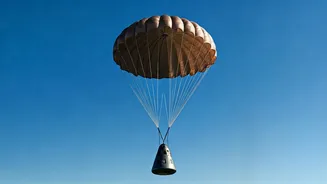



What is Mission Aagaman?
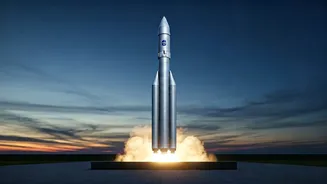
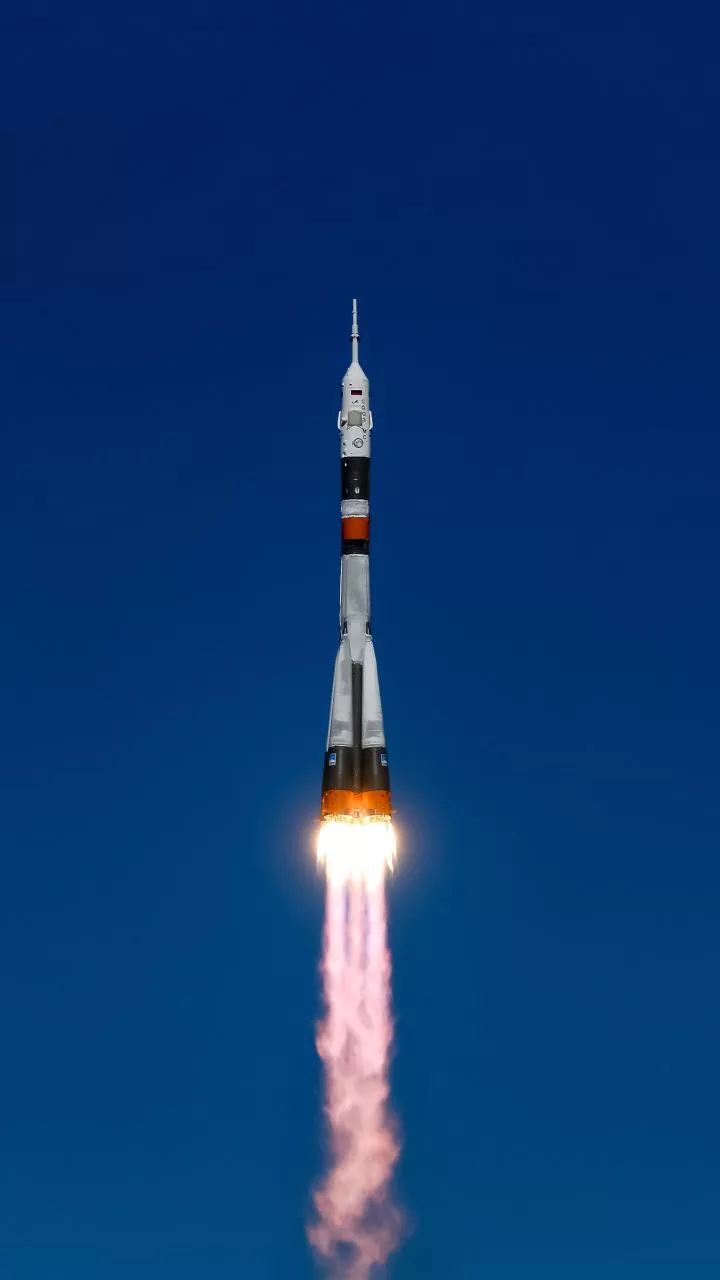
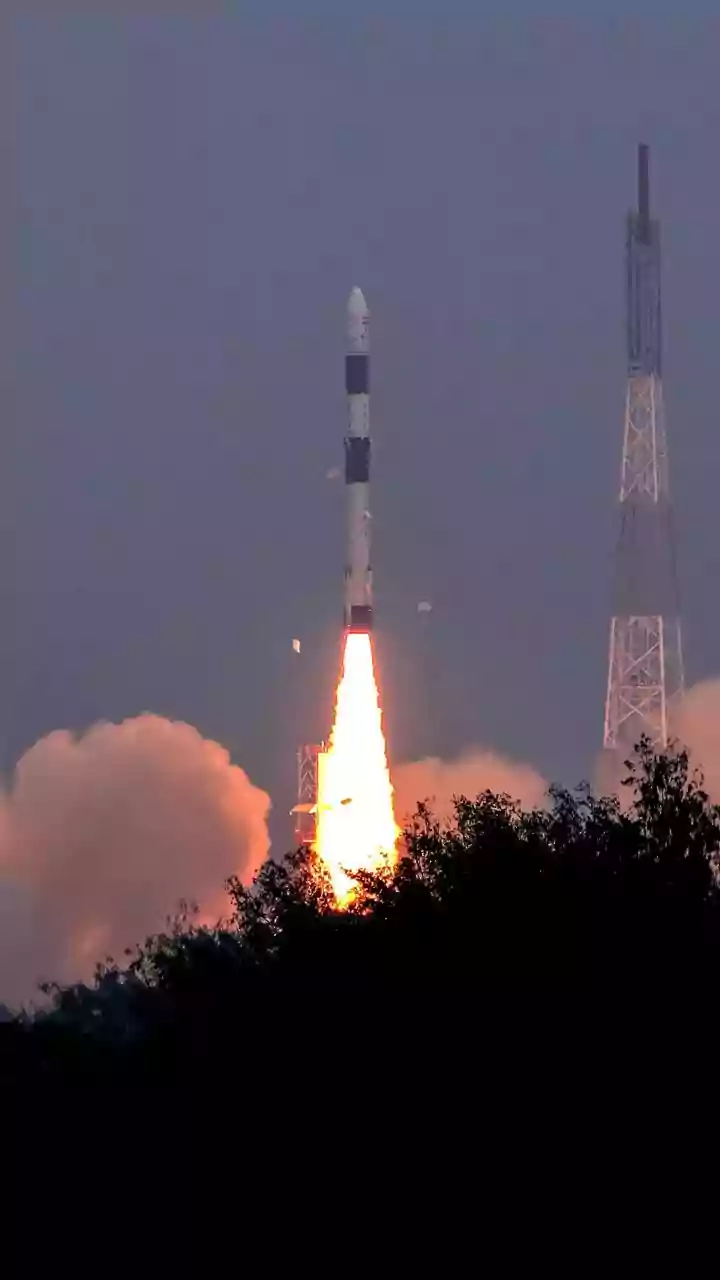
Mission Aagaman, which translates to 'Arrival', is the maiden orbital test flight of the Vikram-1 rocket, developed by the Hyderabad-based startup Skyroot Aerospace. Sometime between July 12 and August 4, 2026, the seven-storey-tall rocket is scheduled
to lift off from the Satish Dhawan Space Centre. This isn't just another launch; it's India's very first attempt to send a privately developed, orbital-class rocket into space. The primary goal of this test flight is to gather crucial performance data on everything from its propulsion to its stage separation systems. While it is a demonstration, the mission will also carry a mix of small commercial satellites from both Indian and international customers, hinting at the future of commercial spaceflight from Indian soil.
A New Chapter in India's Space Saga
For decades, the story of Indian space exploration was written almost exclusively by the Indian Space Research Organisation (ISRO). While ISRO has a storied history of incredible achievements, the space sector is undergoing a global transformation. The Indian government's decision in 2020 to open the space sector to private enterprise, supported by regulatory bodies like IN-SPACe, created the very launchpad for companies like Skyroot. Skyroot itself was founded by former ISRO scientists, embodying a spirit of building upon a great legacy. Mission Aagaman follows Skyroot’s successful suborbital launch of the Vikram-S rocket in November 2022, which was a stepping stone to this much more ambitious orbital flight. A successful Mission Aagaman will prove that Indian startups can not only dream of space but can also build the vehicles to get there, marking a significant shift from a state-led monopoly to a dynamic public-private ecosystem.
Innovation Students Can Look Up To
The Vikram-1 rocket is a marvel of modern engineering. Built with a lightweight, all-carbon composite structure and featuring 3D-printed engines, it is designed for rapid and cost-effective manufacturing. For students of science and technology, this isn't just a collection of complex parts; it's a tangible example of cutting-edge innovation made in India. The use of such advanced materials and manufacturing techniques is crucial for making space launches more frequent and affordable. Skyroot’s ability to develop these technologies in-house demonstrates a new level of self-reliance and technical prowess within the private sector. It's a powerful lesson that the most advanced technologies in the world are not out of reach and can be developed right here at home.
Your Future in the New Space Race
The most important takeaway for students is the opportunity this new era represents. The rise of a private space industry in India means the creation of new jobs, new challenges, and entirely new career paths that didn't exist a decade ago. It requires engineers, yes, but also software developers, material scientists, data analysts, designers, and business leaders. The success of Mission Aagaman will send a clear signal to investors and the global market that India is a serious player in the commercial space sector, which is expected to grow exponentially. As Pawan Kumar Chandana, Skyroot's co-founder, stated, "The moment Vikram-1 lifts off, India's private space industry will cross a threshold it has never crossed before." For students today, that threshold represents a future where they can build rockets, design satellites, and contribute to one of humanity's greatest adventures without ever having to leave the country.
More Than Just a Rocket
The significance of Vikram-1 extends beyond its immediate mission. A successful private launch capability strengthens India's strategic autonomy. It means the country is less reliant on foreign launch providers for its ever-growing constellation of satellites for communication, earth observation, and security. It fosters a competitive environment that drives down costs and spurs innovation across the board, benefiting even government programs. By demonstrating reliable, high-cadence launch services, India can aim for a larger share of the global commercial launch market, which was estimated to be worth billions of dollars. This mission, named in honour of Vikram Sarabhai, the father of India's space program, is a fitting tribute, carrying his legacy of using space technology for national development into a new century.