




A string of high-profile service failures recently sparked concerns of a coordinated cyberattack. Now, the White House is urging calm, stating the outages were just a series of unfortunate, unrelated technical glitches. So what really happened?
The Official Position
In response
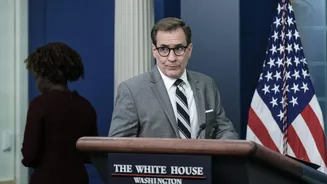
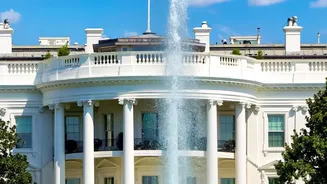
to growing public concern, the White House and senior officials have been clear in their assessment: the recent wave of technical failures was not the result of a coordinated malicious attack. Director of National Intelligence Jay Clayton and other officials have stated there is 'zero information' that the incidents are related to each other or to a foreign adversary. Instead, they attribute the disruptions to the complex and sometimes messy process of upgrading and hardening the nation’s digital infrastructure. 'We are going to have glitches, gaps, interruptions in service,' Clayton told CNN, explaining that such events are to be expected as companies and agencies modernize aging systems. The message from Washington is one of reassurance, framing the outages as painful but necessary side effects of technological progress, not a sign of a looming cyber threat.
A Cascade of Failures
The reassurances came after a week that tested the public's reliance on digital services. The disruptions affected a wide swath of American life. It began with a global Microsoft outage that impacted services like Outlook and Teams for over 24 hours. Soon after, the Federal Aviation Administration (FAA) was forced to issue a nationwide ground stop for several hours due to a failure in its air traffic control communications system, causing chaos at airports. The problems continued as customers of major banks, including JPMorgan Chase, experienced issues with online services and transactions. To cap it off, companies like Apple and United Airlines also reported their own technical problems, affecting everything from iCloud and Apple Pay to flight operations. This rapid succession of failures at major institutions naturally led to speculation about a common cause.
The Case for Coincidence
While the timing was suspicious to many, the companies involved have each provided specific, distinct technical explanations. Microsoft attributed its outage to a 'network capacity upgrade'. The unprecedented FAA ground stop was blamed on a router issue during maintenance on aging telecommunications equipment. JPMorgan Chase pointed to a 'software bug in on-premise hardware systems', while Apple cited an 'internal update' as the cause of its service disruptions. Each company, along with government officials, has been adamant that their incident was isolated and not the result of malicious activity. From this perspective, the past week was simply a perfect storm of bad luck, a statistical blip where several independent, complex systems all happened to falter around the same time.
Underlying Systemic Worries
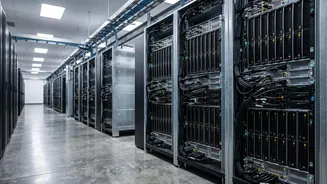
Even if the failures were not from a single coordinated attack, cybersecurity experts warn against complacency. The events highlight a deeper, systemic vulnerability in our modern world. Experts note that services appearing independent often rely on the same underlying technology providers and infrastructure. A single faulty component or software patch from one vendor can create a domino effect across multiple industries. This interconnectedness is a defining weakness of modern digital life. Furthermore, some officials have floated the idea that the rush to patch vulnerabilities being discovered by AI is putting a new kind of strain on systems, leading to more frequent, botched updates. So, while a foreign adversary might not have flipped a switch, the fragility of our highly interdependent digital ecosystem is a threat in itself, proving that widespread disruption doesn't require a villain.