





The Problem with Plastic Bottles
Each year, hundreds of millions of plastic shampoo bottles end up in landfills in the U.S. alone. These bottles can take around 450 years to decompose, and in the process, they break down into microplastics that pollute soil and waterways. While many
bottles are technically recyclable, a low percentage are actually recycled, partly because leftover product can contaminate the recycling stream. This cycle of production and disposal consumes significant energy and resources, contributing to greenhouse gas emissions.
What Exactly Is a Shampoo Bar?
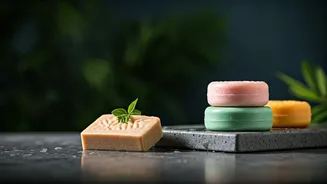
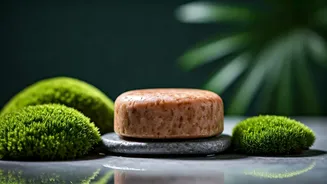
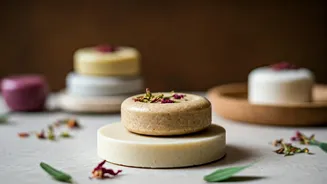
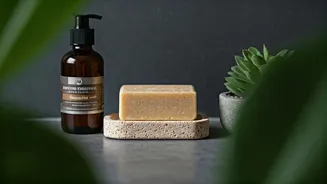
A shampoo bar is a solid, concentrated version of liquid shampoo. Unlike liquid shampoos, which can be up to 80% water, bars are made with potent cleansing and nourishing ingredients packed into a small, solid form. This means they don't require plastic packaging and are often made with natural butters, oils, and botanicals. Good quality shampoo bars are pH-balanced specifically for hair, unlike a standard bar of soap, ensuring they cleanse gently without stripping natural oils.
The Eco-Friendly Advantage
The most obvious benefit of switching to a shampoo bar is the reduction in plastic waste. One bar can replace two to three plastic bottles, preventing them from ending up in landfills. Their compact, lightweight nature also means they have a smaller carbon footprint during transportation compared to heavy, water-filled bottles. Many brands use minimal, compostable, or recyclable paper packaging, furthering their commitment to a zero-waste philosophy.
Making the Switch: How to Use a Bar
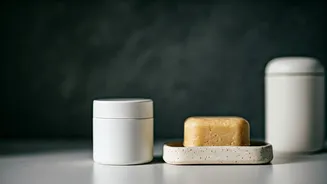
Using a shampoo bar is simple, though it may take a little getting used to. Start by thoroughly wetting your hair. You can either rub the bar between your wet hands to create a lather and then massage the lather into your scalp, or you can gently glide the bar directly over your wet hair a few times. Focus on the scalp, and the lather will rinse down through the lengths of your hair. Be sure to rinse thoroughly, as the concentrated formula means a little goes a long way. To make your bar last, store it on a draining soap dish where it can dry out between uses.
Choosing the Right Bar for Your Hair
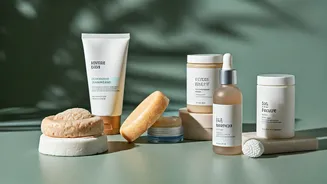
Just like liquid shampoos, bars are formulated for different hair needs. For oily hair, look for bars with clarifying ingredients like tea tree oil or citrus extracts. Dry or damaged hair will benefit from hydrating ingredients such as shea butter, argan oil, or coconut oil. If you have fine hair, a lightweight bar that adds volume without weighing hair down is ideal. The key is to pick a shampoo that suits your scalp's needs and a conditioner for your ends.
What to Expect: The Transition Period
Some people experience a 'transition period' of a few weeks when switching from conventional liquid shampoos. Your hair might feel different—perhaps a bit waxy or heavy—as your scalp adjusts its oil production away from the stripping effects of harsh sulfates found in many liquid products. This phase happens as synthetic residues, like silicones, are washed away, revealing your hair's true texture. Being patient, rinsing thoroughly, and maybe trying an apple cider vinegar rinse can help manage this adjustment period.