




The New High-Speed Safari
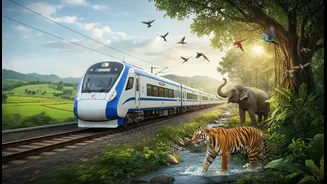
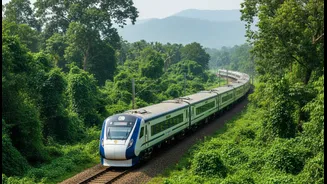
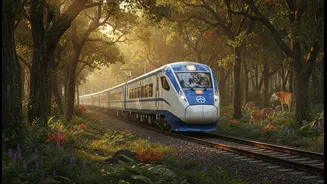
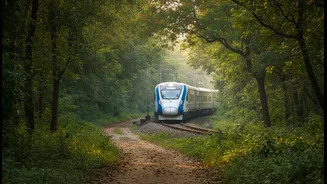
The Vande Bharat Express has become a game-changer for wildlife enthusiasts. With its semi-high-speed connectivity and modern comforts, travellers from major cities can now reach the doorsteps of some of India's most iconic national parks with ease, often
turning a multi-day trip into a manageable weekend escape. These trains connect to railway stations near several parks, from where a short road journey is all that separates you from the wild. This convenience has opened up new possibilities for spontaneous and comfortable nature-centric holidays without the need for flights or long, tiring drives.
Gateway 1: The Lions of Gir
Gir National Park in Gujarat, the planet's only natural habitat for the majestic Asiatic lion, is now remarkably accessible. Travellers can take the Sabarmati–Veraval Vande Bharat Express. From Veraval station, the main safari gate at Sasan Gir is a mere 45-kilometre drive away. Besides lions, the park is a sanctuary for leopards, marsh crocodiles, and a rich variety of birdlife. The ideal time to plan a safari trip to witness these magnificent creatures is between December and March, when the climate is pleasant and sightings are more frequent.
Gateway 2: Tigers of the South
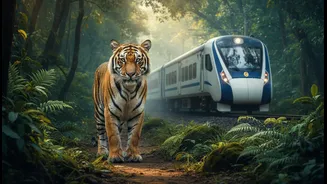
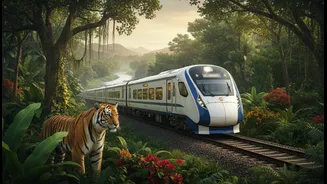
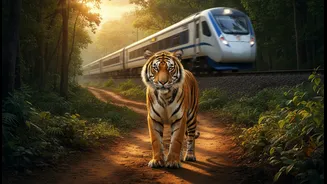
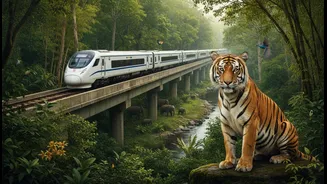
For those in Southern India, the famed Bandipur National Park in Karnataka is within easy reach. Part of the UNESCO-listed Nilgiri Biosphere Reserve, Bandipur is a haven for Bengal tigers, Asian elephants, and over 200 species of birds. To get there, you can board a Vande Bharat Express to Mysuru. From Mysuru, the park is approximately 80 kilometres away, a scenic two-hour drive that takes you deep into the heart of the Western Ghats. The prime visiting season stretches from October to May.
A Collision Course with Nature
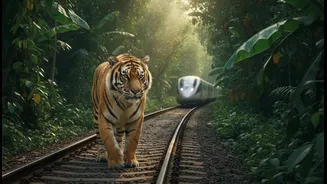
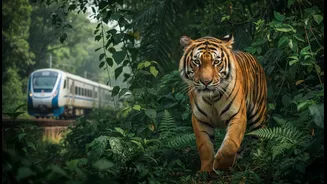
While the expanding rail network offers unprecedented access to nature, it also presents a grave danger to wildlife. The higher speeds and quieter operation of Vande Bharat trains have led to an increase in collisions with animals, especially elephants, that frequent ancient migratory corridors now intersected by railway tracks. Elephants, in particular, are vulnerable in states like Assam, West Bengal, and Kerala, where tracks cut through their natural habitats. These incidents not only result in tragic losses of wildlife but also pose safety risks to train operations and passengers. The Commission of Railway Safety has raised alarms, noting that the lighter build of the Vande Bharat's leading coach could be more susceptible to damage in high-speed animal collisions.
Next Steps: Engineering a Safer Passage
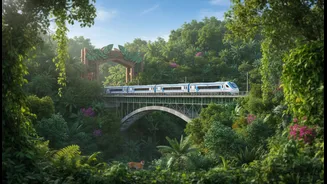
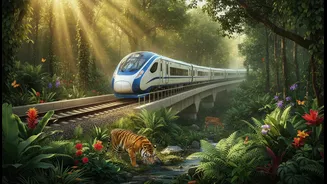
In response to this critical issue, Indian Railways has initiated several measures to mitigate the risks. A key innovation is the deployment of an AI-powered Intrusion Detection System (IDS) that uses fibre optic sensors to detect the presence of elephants and alert loco pilots in advance. This system is already active on over 141 km of track in the Northeast Frontier Railway and is being expanded. Other solutions include building dedicated underpasses and overpasses for wildlife, erecting fencing in sensitive areas, clearing vegetation near tracks, and imposing speed restrictions in identified elephant corridors. In some areas, novel methods like amplifiers that play the sound of buzzing bees are used to scare elephants away from the tracks.
The Role of the Responsible Traveller
As travellers, we also have a part to play in promoting a sustainable balance. Supporting responsible tourism is crucial. This means choosing tour operators and lodges that adhere to ethical wildlife watching practices and contribute to local communities. Organisations like Travel Operators for Tigers (TOFT) offer ratings to help you find responsible operators. By visiting these areas, tourists can demonstrate that wildlife is more valuable alive, providing livelihoods for local guides and communities who then become staunch conservation allies. When planning your trip, consider operators who work with local naturalists and actively support conservation projects on the ground, ensuring your visit has a positive impact.