



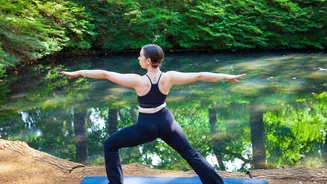

The Gentle Art of Flowing Movement
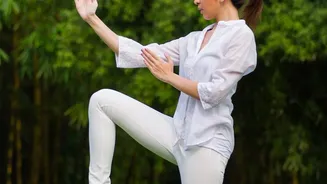
Tai Chi, often described as 'meditation in motion', is an internal Chinese martial art practiced for both its defense training and its health benefits. Its hallmark is a series of slow, graceful, and continuous movements, each flowing into the next without
pause. This practice emphasizes deep breathing, mental focus, and the cultivation of 'Qi' (life energy). The core principle is to achieve a state of relaxed awareness, where the body moves as a unified whole. Proponents note that Tai Chi directly works to improve posture by training the body to find a natural, upright alignment without tension, starting from how the feet connect to the ground. This focus on mindful body positioning and weight shifting is key to its renowned ability to enhance balance and reduce the risk of falls, particularly in older adults.
The Dynamic Glide of Skating
On the other end of the spectrum is what can be termed 'controlled posture skating'. This isn't a formal school like Tai Chi but rather a specific approach to roller or inline skating that prioritizes correct body form for efficiency, power, and safety. The fundamental posture involves bending the knees to lower the center of gravity, keeping the back straight with a slight forward lean from the hips, and engaging the core muscles. This athletic stance provides stability, allows for powerful strides, and helps absorb shocks. Unlike Tai Chi's static and slow-moving stability, skating develops dynamic balance—the ability to maintain equilibrium while in constant motion, often at speed. Regular practice builds significant strength in the glutes, legs, and core, all of which are constantly working to maintain proper posture and propel the skater forward.
A Tale of Two Core Workouts
Both activities are excellent for building core strength, but they achieve it in fundamentally different ways. Tai Chi strengthens the core through slow, deliberate weight shifts and sustained postures that require the deep stabilizing muscles of the abdomen and back to remain engaged for long periods. Think of it as building endurance and stability from the inside out. Skating, by contrast, builds core strength through constant, dynamic adjustments. Every push, turn, and variation in terrain forces the core muscles to react instantly to keep the body upright and aligned, enhancing reactive strength and coordination.
The Mental and Meditative States
Here, the philosophical differences become most apparent. Tai Chi is inherently a mindful practice, demanding a strong mind-body connection. The focus on breath and the slow, deliberate nature of the movements helps quiet mental chatter, reduce stress, and promote a state of calm alertness. Studies have linked it to reduced anxiety and improved cognitive function. While skating is not traditionally meditative, it can induce a 'flow state'—a feeling of being fully immersed and energized in the moment. However, this focus is typically more external, directed at navigating the environment and executing movements. The mental benefits are often a by-product of the physical exertion and concentration required, leading to stress relief through activity rather than quiet contemplation.
Accessibility, Risk, and Requirements
Tai Chi is famously low-impact and accessible. It can be practiced by people of all ages and fitness levels, requires no special equipment, and can be done in a small space. Its gentle nature makes it a suitable exercise for those with joint issues like osteoarthritis. Skating, on the other hand, requires a greater initial investment: skates, protective gear (helmet, pads), and a suitable smooth surface. While skating is also considered low-impact compared to running, the risk of falling and injury is significantly higher, especially for beginners. It demands a higher level of cardiovascular fitness and dynamic balance from the outset.