






The Post-Festival Disappearance Act
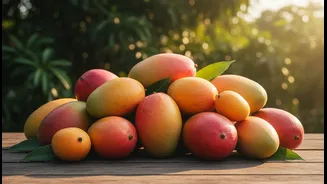
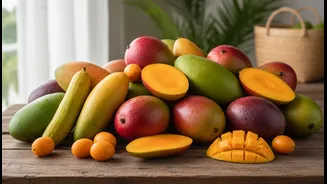
Mango festivals are a roaring success by many measures. They connect consumers directly with growers, create visibility for lesser-known varieties, and are a vibrant celebration of India's 'King of Fruits'. Organizers in states like Uttar Pradesh and Delhi
host events showcasing hundreds of types, from the GI-tagged Malihabadi Dusseheri to hyperlocal gems. The problem is what happens after the stalls are packed up. The initial buzz rarely translates into sustained availability. The unique mango you tasted and loved is suddenly impossible to find in your local market. This is not an accident; it is a structural gap between the worlds of festival promotion and commercial agriculture.
The Farmer’s High-Stakes Gamble
For an individual farmer, dedicating land to a rare or heirloom mango variety is a significant risk. Unlike high-yield commercial types like Totapuri, which have established pulp and processing markets, rare varieties are a gamble. They often have lower yields, may be more susceptible to pests and climate fluctuations, and lack a guaranteed buyer. A farmer might invest years nurturing these trees, only to find that outside of a three-day festival, there is no consistent demand or supply chain to get the fruit to interested customers. The cost of cultivation, labour, and transport can easily outweigh the premium price they might fetch for a short period. As a result, many farmers stick to cultivating the few commercially dominant varieties, leading to a decline in overall mango biodiversity on farms.
The Missing Links: Nurseries and Supply Chains
Two critical pieces of infrastructure are missing: certified nurseries and dedicated market channels. For a rare variety to become more widespread, farmers need reliable access to high-quality, disease-free saplings. Nurseries are essential for propagating these plants, ensuring genetic purity and providing healthy starter material. Without a network of nurseries dedicated to these specific cultivars, expansion is nearly impossible. Even if a farmer successfully grows a crop of a rare variety, getting it to market is another hurdle. The Indian mango supply chain is already fraught with challenges, including massive post-harvest losses of up to 30%, poor infrastructure, and logistical bottlenecks. Highly perishable rare mangoes are ill-suited for a supply chain designed for hardy, high-volume varieties. They require specialised handling, cold storage, and faster transit, which doesn’t exist for small, distributed pockets of production.
Building a Sustainable Mango Ecosystem
To truly benefit from the diversity showcased at festivals, the support systems must evolve. This begins with government and institutional backing for specialised nurseries that can conserve and propagate rare and GI-tagged varieties. Secondly, establishing more Farmer-Producer Organizations (FPOs) can help growers of niche varieties pool their resources, share knowledge, and collectively bargain with buyers. Models in Maharashtra have shown how cooperatives can build a more resilient system. Finally, creating dedicated market linkages is crucial. This could involve partnerships with online retail platforms, boutique grocers, and even export channels that can handle smaller, high-value consignments and connect them with discerning consumers. Governments have made some moves, such as establishing modern pack houses to aid exports, but more focused efforts are needed to bridge the farm-to-consumer gap for these unique fruits.