



What Exactly is Slow Travel?
Slow travel is an approach to tourism that prioritises quality over quantity. It emerged from the 'Slow Food' movement in Italy, which championed local culinary traditions against the rise of fast food. The travel philosophy applies the same principle:
instead of rushing through multiple destinations, you stay longer in one place to connect with it more deeply. It is less about the speed of your movement and more about your mindset. The focus shifts from seeing the sights to experiencing a place's culture, people, food, and natural rhythm. It's about trading a packed itinerary for spontaneous discovery and becoming a temporary part of the local fabric rather than just an observer.
The Real Benefits of a Slower Pace
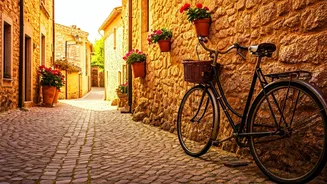
By rejecting the pressure to see everything, slow travellers often experience less stress and gain more flexibility, leaving room for unexpected adventures. This relaxed pace can significantly lower stress and improve your mood. It fosters authentic cultural immersion by allowing time for genuine interactions—chatting with shopkeepers, learning a few local phrases, or finding a favourite neighbourhood cafe. Economically, slow travel supports smaller, locally-owned businesses rather than large international chains, ensuring that tourist spending benefits the community more directly. Environmentally, it encourages a lower carbon footprint by favouring longer stays and less polluting forms of transport like trains or bicycles over frequent flights.
How to Embrace Slow Travel in India
India, with its vast diversity and sensory richness, is a country that rewards those who take their time. Instead of rushing between major cities, consider exploring a single region in depth. Choose a 'home base' for a week or more to truly settle in. Opt for homestays or small, family-run guesthouses over large hotels to get a real glimpse into local life. Travel by train to witness the changing landscapes and interact with fellow passengers. Wander through local markets, try street food, and take a cooking class to engage with regional cuisine. You could even participate in a local craft workshop, like a block-printing class in Rajasthan or watching artisans in a pottery village. The goal is to allow the magic to happen in the quiet moments in between the big sights.
It’s a Mindset, Not a Time Limit
A common misconception is that slow travel is only for those with unlimited vacation time. In reality, it's a philosophy that can be applied to any trip, regardless of its length. Even on a short holiday, you can practice slow travel by choosing to explore one neighbourhood deeply instead of rushing across the entire city. Leave a day in your schedule completely unplanned to make room for spontaneous discoveries. It requires a conscious decision to reject the 'fear of missing out' (FOMO) that drives much of modern tourism. By focusing on intentionality and connection, even a brief trip can feel more enriching and memorable, leaving you with lasting stories rather than just a camera roll of photos.