






A Hunger for Authenticity
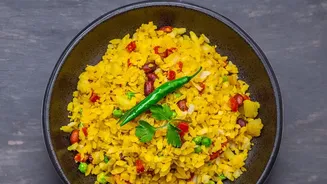
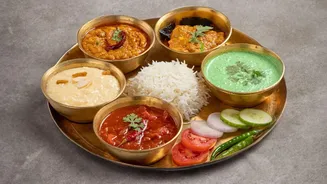
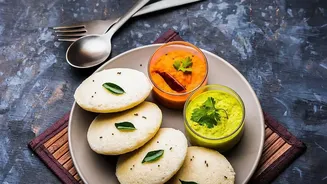
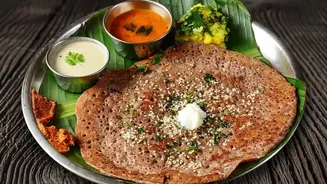
At the heart of this trend is a powerful craving for authenticity. After years of generic, pan-Indian menus that offered the same butter chicken and tikka masala from coast to coast, consumers are now seeking out the distinct and diverse flavours of the nation's
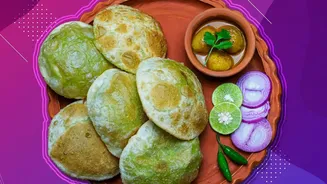
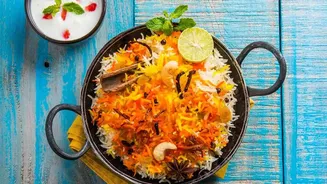
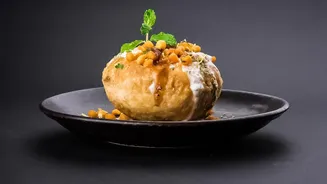
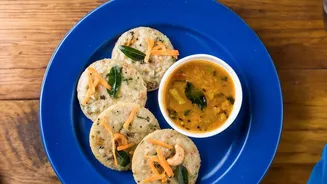
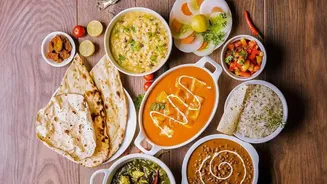
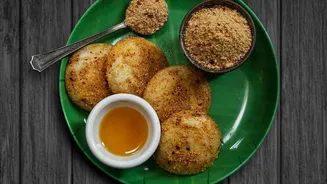
regional cuisines. This isn't about novelty; it's a return to roots. Diners are showing a growing appetite for dishes that taste like home, gravitating toward food that feels both comforting and rooted in a specific cultural heritage. Restaurants and brands specializing in the specific cuisines of Kerala, Tamil Nadu, Bengal, or the Northeast are finding an eager audience, as the era of the one-size-fits-all Indian menu gives way to a celebration of regional specificity.
The Rise of the Story-Driven Brand
Today's consumers don't just buy food; they buy into stories. Local brands are excelling at this by connecting with customers on a deeper level. Many of these new-age brands are founded by chefs and entrepreneurs with a personal connection to the food they sell, and they use digital platforms to share that heritage. This direct-to-consumer (D2C) model allows them to bypass traditional retail and build a community around their products. By sharing stories of family recipes, locally sourced ingredients, and the cultural significance of their dishes, they build a level of trust and emotional connection that large, faceless corporations often struggle to replicate. This narrative-driven approach makes the food about more than just taste; it becomes a cultural experience.
Digital Savvy and Direct Connections
The digital revolution has been a game-changer, leveling the playing field for smaller players. The D2C ecosystem, expected to be worth trillions of rupees, allows local brands to reach customers directly without needing massive distribution networks. Social media platforms are their storefronts and marketing departments, while quick commerce and efficient logistics networks handle delivery, sometimes in minutes. This agility allows brands to get direct and immediate feedback from customers, helping them to rapidly adapt their products to evolving tastes. For consumers, it means unprecedented access to a diverse range of niche and artisanal products that were previously unavailable.
A Renewed Focus on Quality and Health
The modern Indian consumer is more health-conscious and discerning than ever before. There's a growing demand for fresh, natural, and high-quality ingredients, and a willingness to pay a premium for them. Local brands are tapping into this by emphasizing clean labels, preservative-free products, and transparent sourcing. Many highlight the use of traditional, healthier ingredients like millets, ghee, and regional spices known for their wellness properties. This aligns perfectly with a broader wellness trend and a move away from overly processed foods, positioning local brands as both a tasty and a smart choice for health-aware diners.
The 'Vocal for Local' Effect
A renewed sense of national pride and government initiatives like 'Vocal for Local' and 'One District One Product' have also provided a significant tailwind. These campaigns have encouraged consumers to consciously choose domestic products, fostering an environment where local businesses can thrive. By supporting micro-enterprises and formalizing the unorganized food sector, these programs help ensure a steady supply of high-quality, regionally specific products. This has created a powerful ecosystem where supporting a local food brand is seen not just as a consumer choice, but as a contribution to the national economy and the preservation of culinary heritage.