




From Checklist Tourism to True Connection
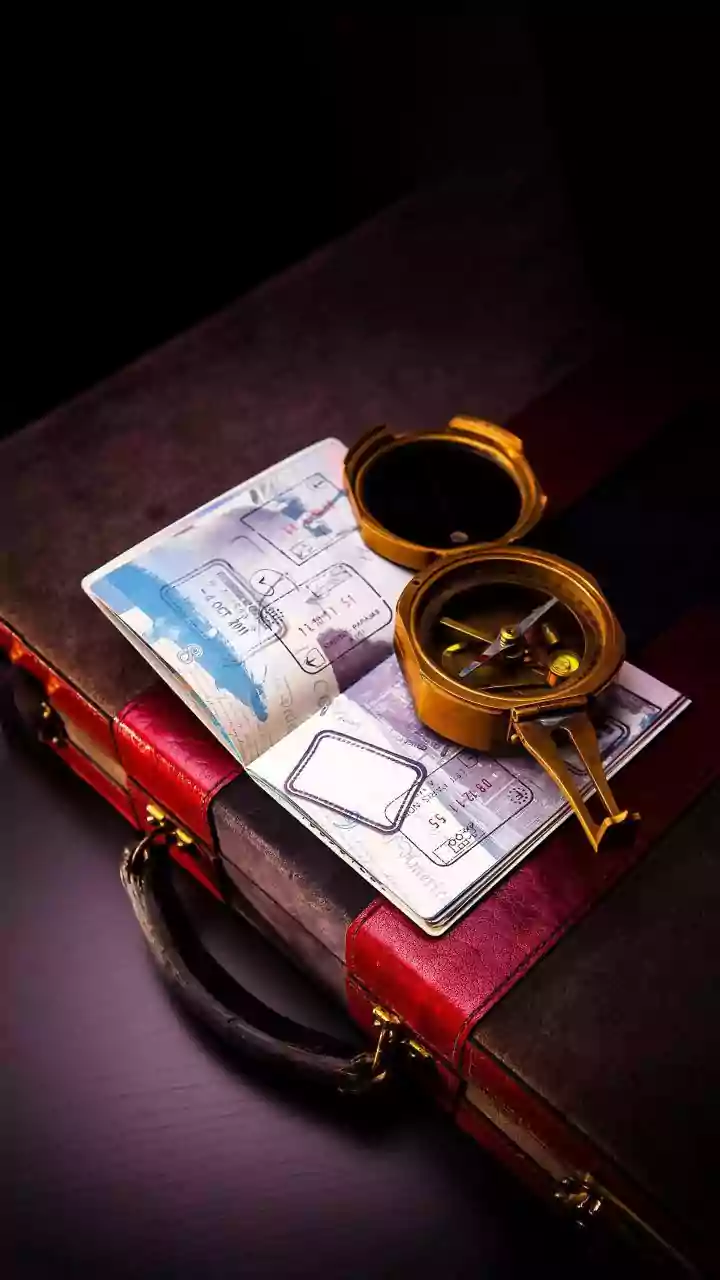
The old model of outdoor sightseeing was often about ticking boxes. You had a list of famous viewpoints and attractions, a strict schedule, and a sense of pressure to see it all. The 'flexi era' throws that playbook away. This new mindset prioritises
connection over conquest. It's less about seeing every designated spot and more about experiencing a place in a meaningful way. This shift, often called 'slow travel', encourages travellers to immerse themselves in the local environment and culture rather than just observing from a distance. Instead of racing through five cities in a week, the modern explorer might spend that entire time in one region, getting to know its trails, its people, and its hidden corners. It's a move from motion to meaning, where the goal is no longer just to see a place, but to truly feel it.
The Technology Fuelling Our Freedom
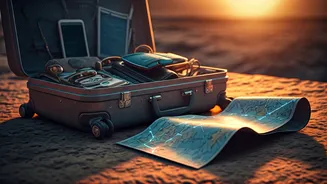
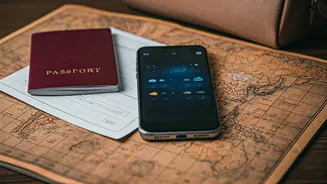
This newfound spontaneity isn’t just a change in attitude; it’s heavily enabled by technology. Your smartphone is now a powerful tool for independent exploration. GPS and offline maps have eliminated the fear of getting lost, while countless apps offer self-guided tours, trail recommendations, and real-time information about everything from weather conditions to historical context. Last-minute booking platforms for flights and accommodations have also made impromptu trips more feasible than ever, with a notable increase in bookings made within the same week or even day of travel. Augmented reality (AR) apps can enrich a hike by overlaying digital information on ancient ruins or identifying mountain peaks, turning a simple walk into an interactive learning experience. This tech empowerment allows travellers to be the architects of their own adventures, free from the constraints of a group tour.
A Post-Pandemic Shift in Priorities
The global pandemic significantly accelerated our collective move outdoors and reshaped our travel priorities. After periods of lockdown, there was a massive surge in interest in outdoor activities like hiking and camping. This rekindled love for nature came with a new appreciation for space, wellness, and avoiding crowds. The result is a growing preference for 'soft adventure'—accessible outdoor activities like guided hikes and wildlife spotting that prioritise connection with the landscape over extreme physical challenges. This also ties into a growing demand for domestic travel and exploring hidden gems closer to home. The rise of remote and hybrid work has further blurred the lines between work and leisure, making it easier for people to take spontaneous, short trips to recharge in nature.
The Unscripted Journey
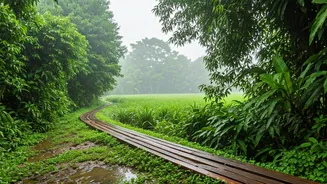
In the flexi era, the journey itself is the destination. Travellers are embracing the beauty of the unplanned detour, the joy of discovering a trail not mentioned in any guidebook, and the freedom of changing plans on a whim. This is especially true for the growing number of solo travellers, who value the autonomy and introspection that unscripted journeys provide. Instead of being a niche, solo travel is now a mainstream choice, allowing for unmediated engagement with a place. This approach fosters a deeper sense of discovery and personal growth. It's about letting curiosity lead the way, whether that means spending an extra hour by a serene Himalayan lake or following a local recommendation to a breathtaking viewpoint in the Western Ghats. The best memories are often made in the moments we didn't plan for.