




The Foundation: Pots and Soil
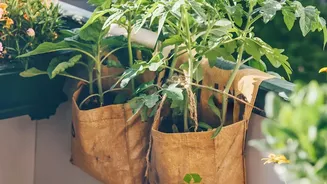
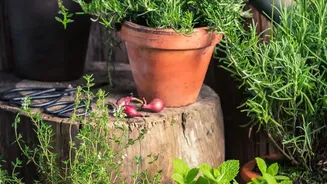
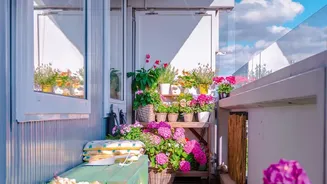
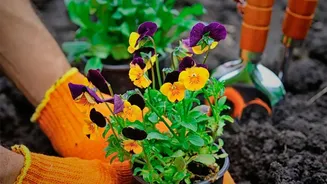
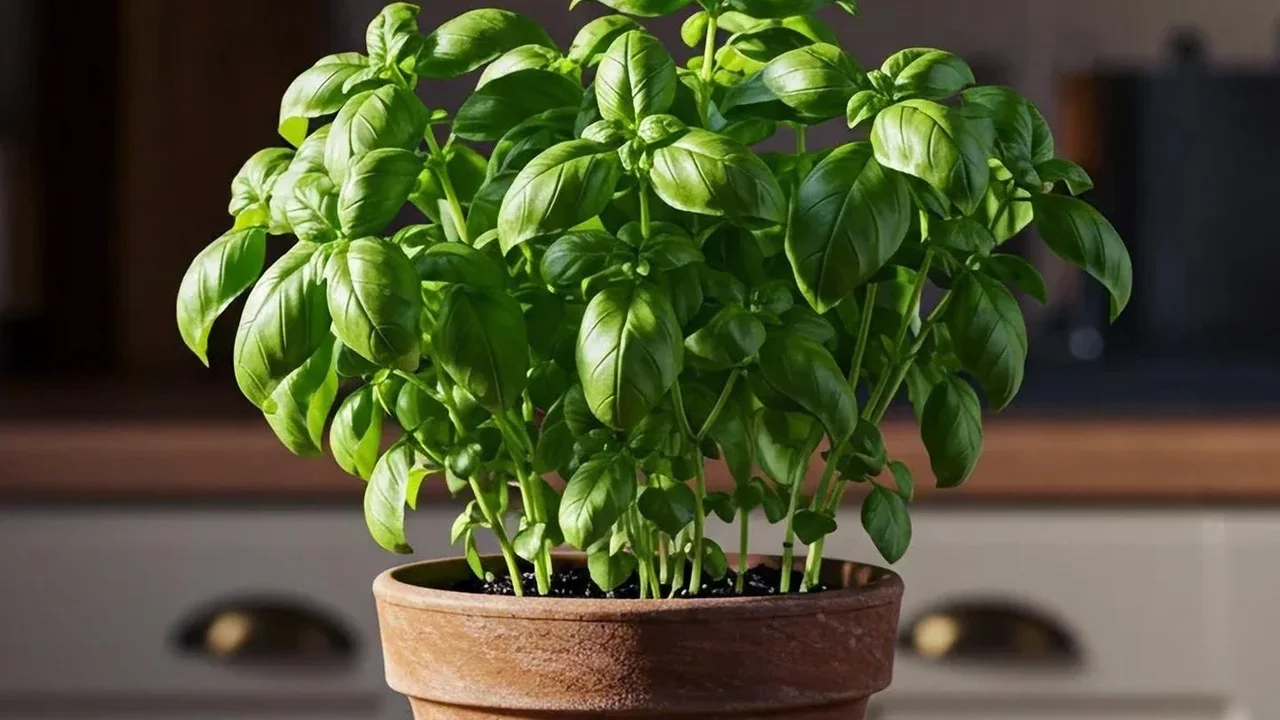
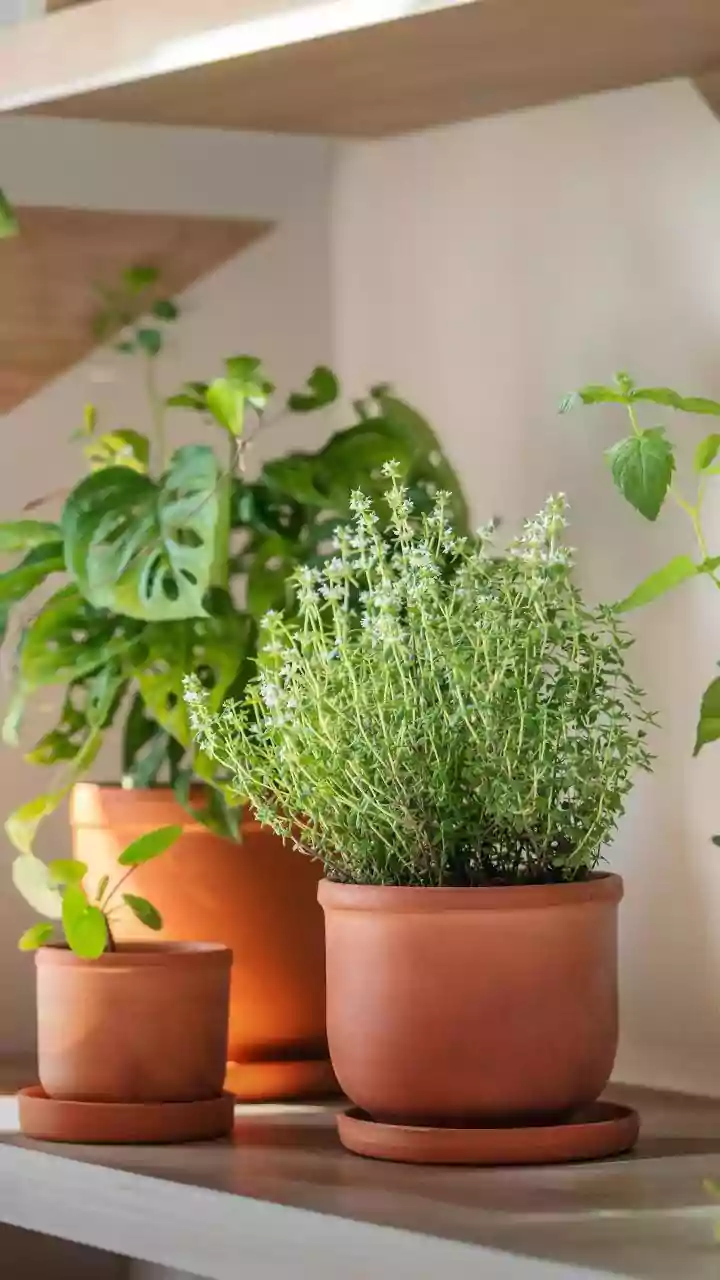
Your journey to a thriving balcony garden starts with the basics. Choosing the right container and soil is crucial for success. Terracotta or clay pots are often recommended because they are porous, allowing roots to breathe and preventing waterlogging.
For herbs like basil and curry leaves, a pot that is at least 8-12 inches deep provides ample room for root growth. Mint, a vigorous grower, benefits from a wide container to accommodate its tendency to spread. A common mistake for beginners is using regular garden soil in pots, which compacts easily and drains poorly. Instead, opt for a well-draining potting mix. You can buy pre-made organic mixes or create your own. A simple, effective recipe for Indian conditions is a blend of 40% garden soil, 30% compost or vermicompost, and 30% cocopeat, with a handful of sand or perlite to improve drainage. This mix retains enough moisture for hot summer days while ensuring excess water from monsoon rains can escape.
Growing Glorious Basil
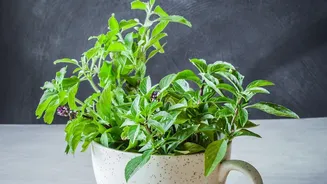
Basil, a staple in Italian cuisine and a cousin of the revered Tulsi, is surprisingly easy to grow in India's tropical weather. It loves sunshine, so place your pot in a spot that receives at least four to six hours of direct sunlight daily. During the peak summer months, you may need to provide some afternoon shade to prevent the leaves from scorching. Water your basil plant regularly, ensuring the soil remains consistently moist but not soggy. A good rule of thumb is to check the top inch of soil; if it feels dry, it's time to water. Basil doesn't require heavy fertilisation; feeding it with a liquid all-purpose fertiliser or some compost tea once every 3-4 weeks is sufficient to replenish nutrients lost during watering. To encourage a bushier plant with more leaves, pinch off the top sets of leaves regularly. This also prevents the plant from flowering, which can cause the leaves to lose their flavour.
Mastering Mighty Mint (Pudina)
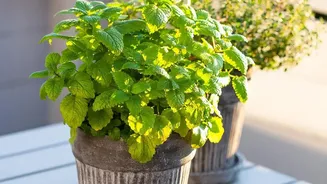
Mint, or 'pudina', is one of the most rewarding herbs for a beginner gardener. It grows vigorously and can provide a near-constant supply for chutneys, raitas, and refreshing drinks. The most important thing to know about mint is that it spreads aggressively via underground runners. For this reason, it is almost always better to grow it in a container to keep it from taking over. A wide, relatively deep pot (at least 12 inches) is ideal. Mint thrives in a spot that gets morning sun and some afternoon shade. It prefers consistently moist soil, so you may need to water it daily during hot Indian summers. You can easily propagate mint from healthy cuttings bought at the market; just place the stems in water until roots appear, then plant in your pot. Harvest often by snipping stems to encourage fuller growth.
Caring for Your Curry Leaf Plant (Kadi Patta)
No South Indian dish feels complete without the aroma of 'kadi patta'. Unlike basil and mint, the curry leaf plant is a small perennial tree that requires a bit more space and patience. Start with a pot that's at least 12 inches deep and wide, and be prepared to transplant it to a larger container as it grows. Curry leaf plants are sun-lovers, needing about six to eight hours of direct sunlight for robust growth. They are sensitive to overwatering, which can lead to root rot, so allow the top inch or two of soil to dry out before watering again. During winter months, the plant may enter a dormant phase and even drop some leaves; this is normal, and you should reduce watering accordingly. To encourage a bushier shape, prune the plant by pinching off the top shoots. Feed it monthly during its growing season with organic options like diluted buttermilk or compost tea to keep the leaves lush and flavourful.
Troubleshooting Common Problems
Even with the best care, you might encounter a few issues. Yellowing leaves can be a sign of either overwatering or a nutrient deficiency. Adjust your watering schedule first, and if the problem persists, add some compost to the soil. Common pests that affect herbs in India include aphids, mites, and mealybugs. Instead of chemical pesticides, especially on edible plants, turn to organic solutions. A simple spray of diluted neem oil or soapy water is often effective at controlling these pests. The key is to inspect your plants regularly to catch any infestations early. Proper spacing and good air circulation around your pots will also help in keeping pests and fungal diseases at bay.