



The Danger That Isn't the Rain
While trekking in the rain seems like the obvious hazard, the real dangers during the monsoon are more specific and severe. According to trekking experts, it's not the downpour itself that poses the greatest threat, but its consequences. The three biggest
risks are flash floods in narrow gullies, dangerously slippery rock patches that can become unfathomable, and swollen streams that become impossible to cross safely. A trail that is perfectly safe in other seasons can become a treacherous trap within minutes. A narrow gully, for instance, can turn into a channel for a sudden, powerful wall of water originating from rainfall miles upstream, catching trekkers completely by surprise.
How GPS Early Warning Systems Work
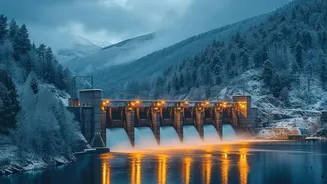
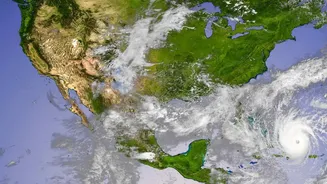
The term 'GPS beacon' can refer to several technologies, but in the context of flood warnings, it’s part of a larger system. These aren't typically personal devices trekkers carry that magically detect floods. Instead, they are part of sophisticated, stationary Early Warning Systems (EWS) installed in river basins. These systems use sensors placed along rivers to monitor water levels and flow rates in real-time. When the water rises to a pre-determined critical level, the system automatically transmits a warning signal via wireless technology, often using IoT and satellite communication, to authorities and registered users downstream. This provides crucial lead time for evacuation and safety measures. While these systems are primarily for community-wide alerts, the data can be integrated into apps and services useful for trekking groups and disaster management teams.
Technology as a Tool, Not a Replacement
While advanced warning systems are becoming more common for flood-prone regions, they are not a substitute for personal responsibility and preparation. Trekkers should never rely solely on a single piece of technology. Mobile networks can fail in remote areas, and GPS devices can lose signal or run out of battery. Many personal GPS devices and trackers for hikers now come with built-in weather alert systems, which can provide valuable real-time information on storms. However, the most critical safety tool is knowledge. Understanding the terrain, checking official forecasts from the India Meteorological Department (IMD), and respecting local advisories are non-negotiable.
Your Essential Monsoon Trekking Checklist
Proper preparation can make the difference between a memorable adventure and a tragedy. Before you head out, ensure your gear and plans are in order. Choose your trail wisely; wide, well-maintained paths are safer than narrow, steep gullies. Never trek alone in the monsoon; always go with a group and preferably a certified local guide who understands the terrain. Your gear should include trekking shoes with excellent grip (not regular sports shoes), a waterproof jacket and bag cover, and quick-drying clothes to prevent hypothermia. Pack a complete first-aid kit, a fully charged phone with a power bank, a headlamp or torch, and high-energy snacks. Most importantly, always inform a reliable contact at home about your detailed itinerary and expected return time.
Reading the Signs of Nature
Technology can fail, but nature often provides its own warnings. Being able to recognize the signs of an impending flash flood is a vital skill. Be alert for a sudden change in the colour of stream water, often turning muddy brown. Listen for a distant roaring sound that grows louder, which could be the sound of rushing water approaching from upstream. A sudden increase in the water's speed or depth, or a rise in the amount of debris like twigs and leaves, are all urgent red flags. If you notice any of these signs, do not hesitate. Abandon your path immediately and move to higher ground as quickly and safely as possible. Avoid camping or resting in dry riverbeds or low-lying areas, as these are the first places to flood.