





What Is a Shared Equipment Bank?
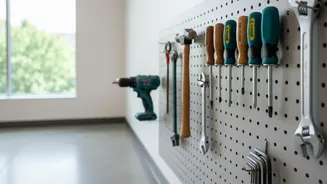
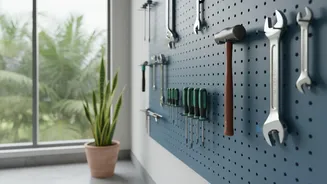
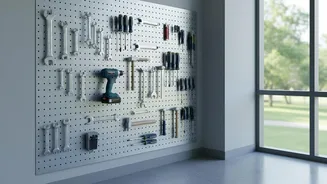
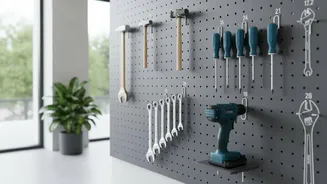
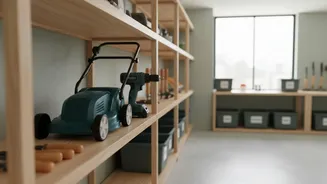
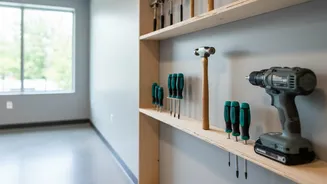
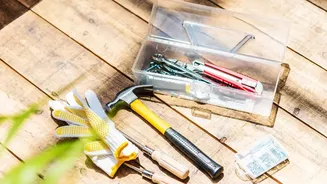
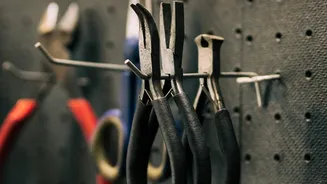
A shared equipment bank, often called a tool library, is a collection of tools and equipment that residents of a community can borrow for a short time. Think of it like a public library, but for power drills, ladders, and lawnmowers instead of books.
This system operates on the principle of collaborative consumption, where access to an item is valued over individual ownership. For apartment buildings, this is a natural extension of sharing common facilities like laundry rooms or gyms. Members can check out a tool, use it for their project, and return it for the next person, often for a small annual fee or for free.
The High Cost of Occasional Use
Consider the true cost of owning a tool you might only use once or twice a year. The average power drill, for example, is reportedly used for a total of just 13 minutes in its entire lifetime. Yet, for that brief period of need, a resident might spend a significant amount of money. Beyond the purchase price, there is the hidden cost of storage. In modern apartments where every square foot is valuable, storing bulky toolboxes is a major inconvenience. A shared tool bank eliminates this problem entirely. Instead of hundreds of individual drills gathering dust in various flats, a community can share a handful of high-quality ones, saving both money and space collectively.
Direct Financial Savings
The most obvious benefit of a tool library is the direct impact on your wallet. Instead of buying an expensive tool for a one-off job, residents can borrow it. Even if the tool bank charges a modest annual membership fee, it is almost always significantly cheaper than purchasing multiple tools. For example, the cost of a single quality power drill could easily exceed a yearly membership that grants access to dozens of different tools, from saws and sanders to specialised plumbing wrenches. This model democratises access to resources, allowing residents to undertake repairs and improvement projects they might otherwise have been unable to afford. This is especially useful for new homeowners or tenants who are often short on cash.
More Than Just Money
The advantages go beyond simple economics. Shared equipment banks give residents access to a wider variety and better quality of tools than they might otherwise purchase for themselves. Instead of a cheap, entry-level model, you can borrow a professional-grade tool that makes the job easier and safer. These libraries also foster a sense of community. They can become hubs where neighbours share skills and advice, turning a simple borrowing system into a collaborative environment. Furthermore, this model is environmentally sustainable, as it reduces overall consumption and waste by maximising the use of each tool.
How to Start a Tool Bank in Your Building
Starting a tool library can be surprisingly simple. The first step is to gauge interest among your neighbours and the housing society committee. You can begin by taking an inventory of tools residents are willing to share and creating a wish list for new purchases. Funding can come from small contributions, society funds, or even donations of used tools from residents who are happy to free up space. Find a secure, communal space like a storage room or a designated corner of the basement. A simple sign-out system, like a clipboard or a shared spreadsheet, can be used to track who has which tool and for how long, operating on an honour system. It's important to establish clear rules for borrowing, returning, and handling damaged equipment to ensure the system runs smoothly for everyone.
Navigating the Challenges
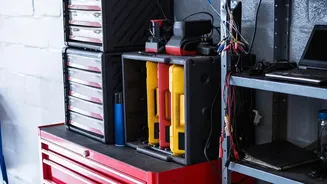
While the benefits are significant, it's important to anticipate potential challenges. Tool maintenance is a primary concern, as complex tools can require frequent repairs. Some communities address this by hosting volunteer 'fix-it' nights or using a portion of membership fees for professional maintenance. Another consideration is liability. While major issues are rare, some larger tool banks require users to sign a liability waiver, especially for power tools. Finally, a lack of organisation can hinder success. A clear system for tracking tools and ensuring they are returned on time is crucial for the long-term viability of the shared bank.