

The Quest for a Complete Protein
After a tough workout, your muscles are screaming for repair. The primary building blocks for this repair job are amino acids, the molecules that link together to form protein. Your body can produce some of these, but there are nine essential amino acids (EAAs)
that it cannot make on its own; you must get them from food. For optimal muscle recovery and growth, you need all nine of these EAAs in sufficient amounts. A protein source that provides all nine is called a 'complete protein.' While animal-based proteins like whey, eggs, and meat are naturally complete, many plant-based sources are not. This is where strategic combining becomes crucial for anyone on a plant-forward or vegan diet.
Pea Protein's Powerful Profile
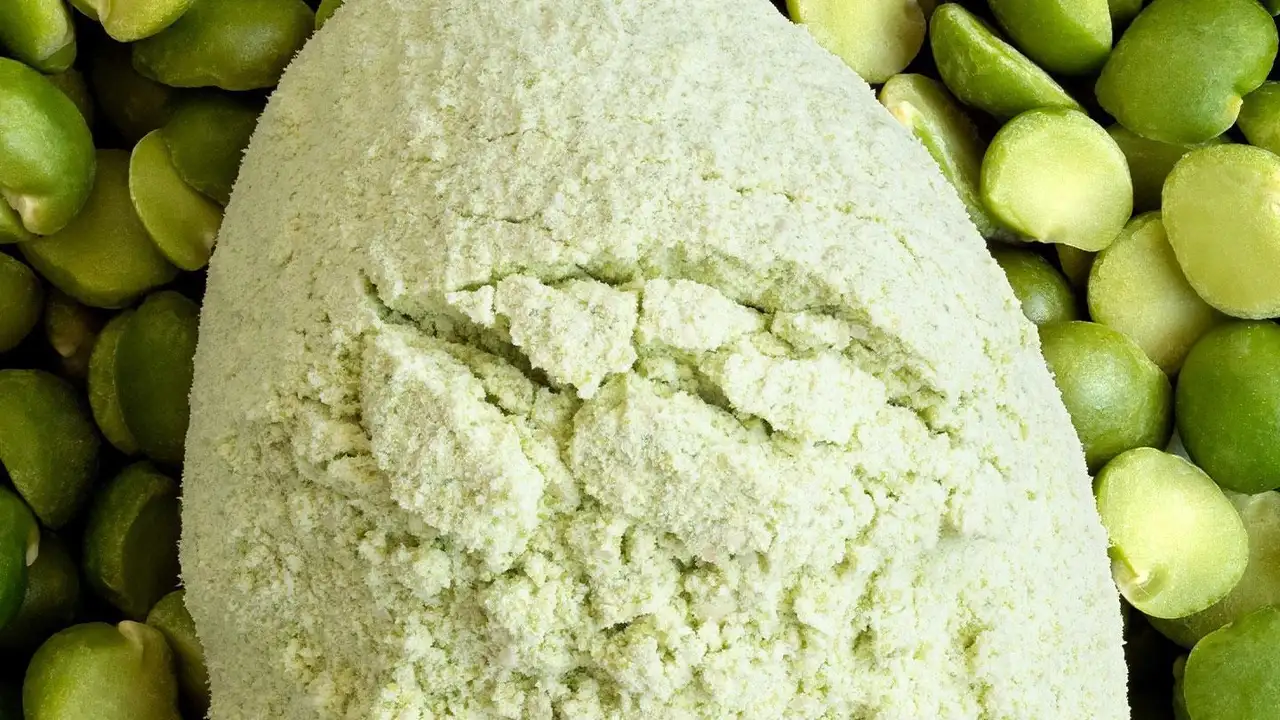
Pea protein, typically derived from yellow split peas, has become a star in the plant-based fitness world for good reason. It’s particularly rich in branched-chain amino acids (BCAAs)—leucine, isoleucine, and valine—which are famous for their direct role in stimulating muscle protein synthesis. Leucine, in particular, acts as a key signal to kickstart the muscle-building process. However, every protein has a 'limiting amino acid,' which is the EAA it contains in the lowest quantity. For pea protein, that limiting amino acid is methionine, which is vital for metabolic and detoxification processes.
How Rice Protein Fills the Gap
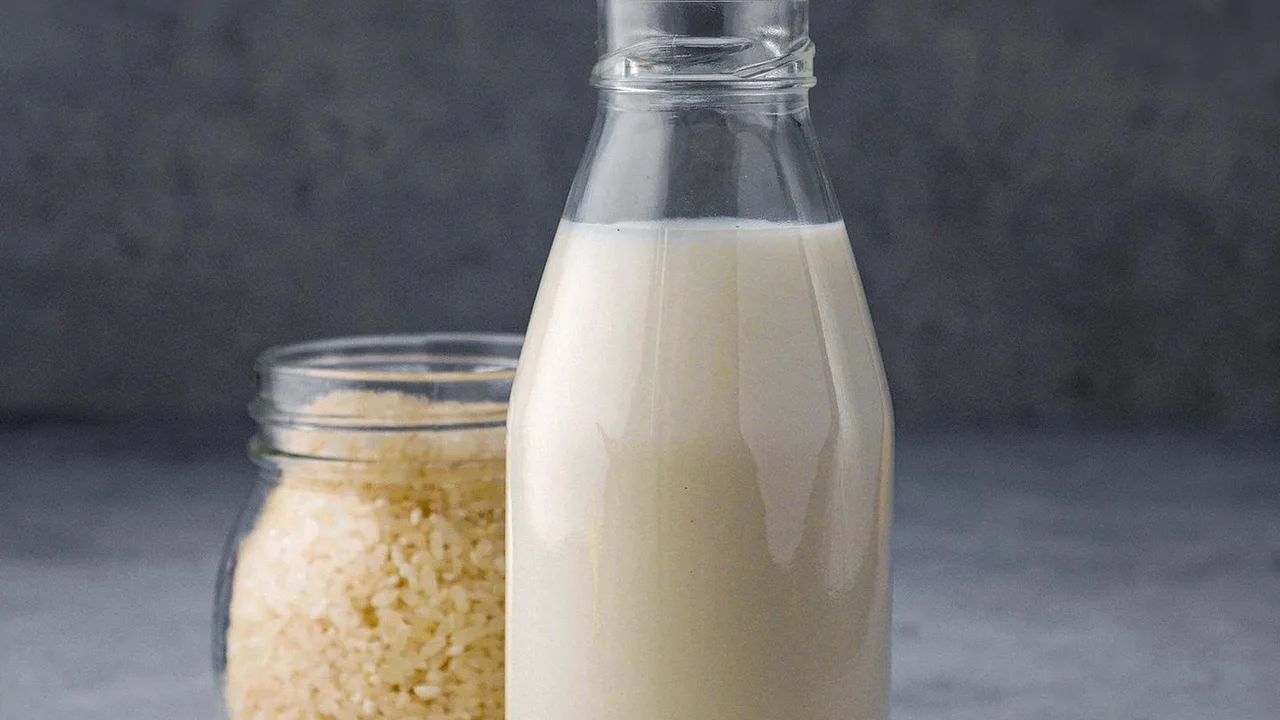
This is where rice protein enters the picture as the perfect partner. While often overlooked, protein from brown rice has a strong amino acid profile that beautifully complements pea protein. Rice protein’s weakness is that it's low in the essential amino acid lysine. But its great strength is that it's rich in the sulfur-containing amino acids cysteine and, most importantly, methionine—the very amino acid that is lacking in pea protein. By itself, each protein is an incomplete piece of the puzzle. But when you put them together, they create a full picture.
A Perfect and Balanced Partnership
When pea and rice proteins are combined, they create a full roster of all nine essential amino acids in proportions that can rival animal-based proteins like whey. The high lysine content from pea protein makes up for the low lysine in rice protein, while the high methionine content from rice protein fills the gap in pea protein's profile. This synergy results in a complete, well-rounded protein source that provides your body with all the necessary tools for effective muscle repair, growth, and recovery after exercise. Studies have shown that plant protein blends can stimulate muscle protein synthesis at levels comparable to whey, especially when taken in adequate doses.
Beyond the Amino Acids
The benefits of this combination extend beyond just amino acids. For many, pea and rice protein blends are a fantastic choice because they are hypoallergenic. They are naturally free from dairy, soy, and gluten, making them easily digestible and a safe option for individuals with allergies or sensitivities. This means less risk of the digestive discomfort that some people experience with whey or other dairy-based proteins. Furthermore, for those looking to make more environmentally conscious choices, plant-based proteins generally have a lower carbon and water footprint compared to their animal-based counterparts, making this blend a sustainable choice for both your body and the planet.