






From Tourist Traps to Hidden Gems
For decades, a successful holiday was measured by a checklist of famous landmarks and packed beaches. Think less about the experience and more about proving you were there. That mindset is fading fast. Today, young Indian travellers are deliberately sidestepping
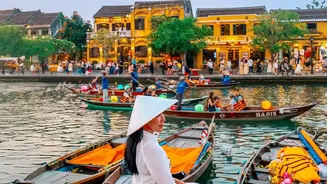
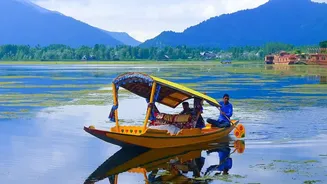
the predictable. Instead of flocking to mainstream destinations, they are seeking out the soul of a place. Recent travel reports show a clear trend: Gen Z is swapping the chaos of popular tourist hubs for the quiet authenticity of lesser-known locales. Destinations like Jibhi in Himachal Pradesh, the historical ruins of Gandikota in Andhra Pradesh, or the serene backwaters of Ashtamudi in Kerala are gaining popularity. This isn't about avoiding people altogether; it's about avoiding the manufactured experiences that often come with large crowds. The new travel currency is uniqueness, and these travellers are investing in places that offer a genuine narrative rather than a polished facade.
Authenticity is the New Luxury
Why this deliberate shift? For Gen Z, travel is deeply personal and an extension of their identity. A staggering 87% believe the way they travel reflects who they are as a person. This has led to a focus on authenticity above all else. They aren't interested in simply observing a culture; they want to participate in it. This translates to choosing homestays over hotels, learning a local craft, taking a cooking class, or exploring a village with a community guide. A recent Agoda report found that exploring different cultures is a primary travel driver for 56% of young Indians. This desire for immersion means they are more likely to support local economies directly, ensuring their travel spending has a positive impact. It's a move away from the passive consumption of a destination towards active, meaningful engagement.
The Conscious and Savvy Traveller
This trend is also rooted in practical and ethical considerations. Gen Z is known for being both budget-conscious and socially aware. Offbeat cultural travel often proves to be more affordable than holidays in prime tourist locations. By avoiding overpriced hotels and restaurants, they can stretch their money further, allowing for more frequent trips. And they are indeed travelling more often, favouring several short, spontaneous getaways over one long annual holiday. Furthermore, this generation has a strong sense of social and environmental responsibility. They are acutely aware of the pitfalls of over-tourism and actively seek sustainable travel options that benefit host communities rather than drain their resources. This conscious approach makes cultural immersion not just a preference, but a principled choice.
Digital Discovery and New Definitions of Fun
While social media once fueled the desire to visit 'Instagrammable' hotspots, its role has evolved. Gen Z now uses platforms like Instagram and YouTube not to follow the crowds, but to discover the undiscovered. They follow niche travel creators who showcase hidden waterfalls, remote spiritual retreats, and vibrant local festivals. In fact, this generation is redefining what a holiday 'event' is. The rise of music tourism, with festivals like Ziro in Arunachal Pradesh becoming major travel draws, is a perfect example. These events are chosen for their blend of music, art, and local culture. This reflects a broader shift where 'fun' is no longer synonymous with nightlife. For many, a quiet evening learning from a local storyteller or a day spent trekking to a pristine lake offers a deeper, more lasting sense of fulfilment than a crowded club.