


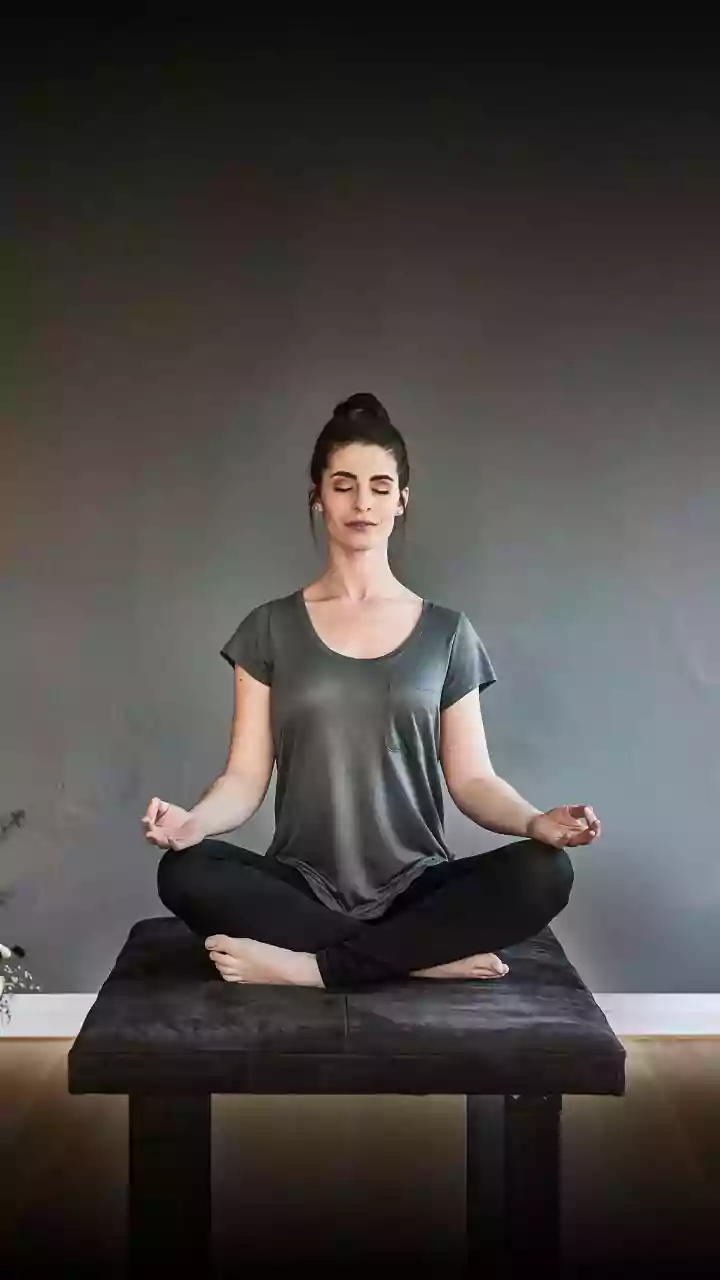
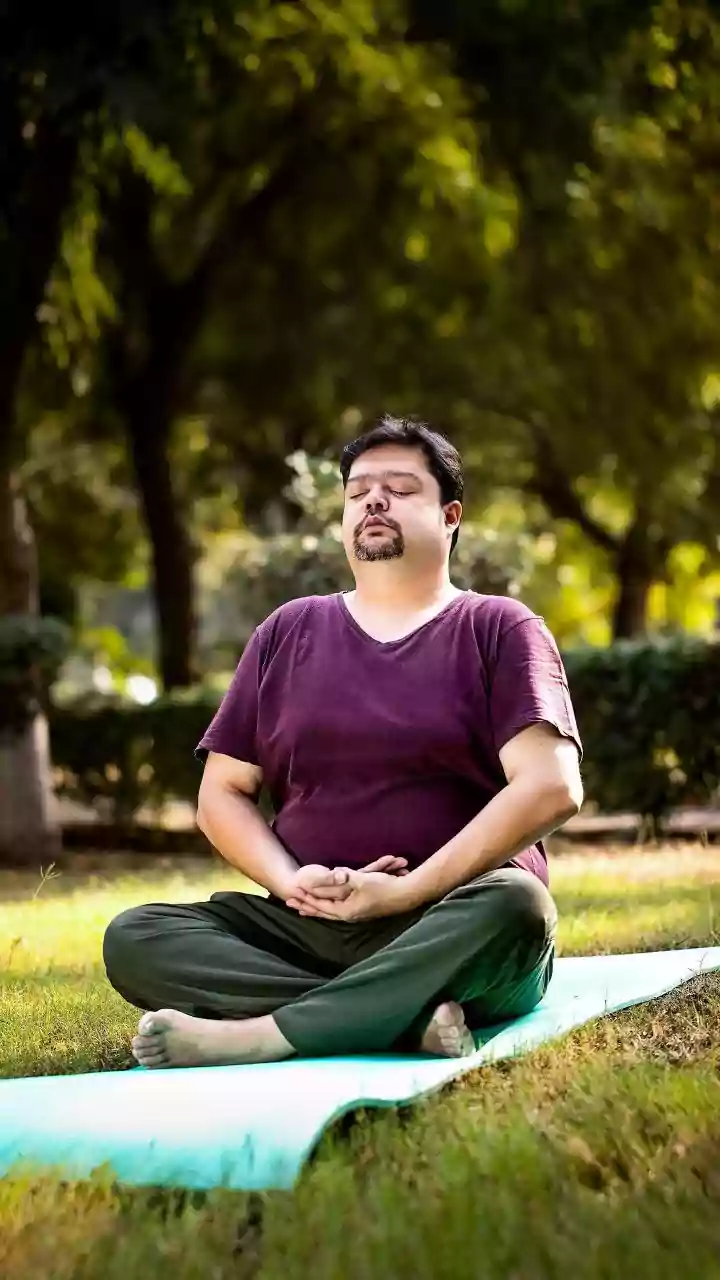



What Exactly Is Breath Awareness?
Breath awareness is the simple practice of paying attention to your breathing without trying to change it. It's a form of mindfulness where your breath becomes the anchor to the present moment. Instead of getting lost in thoughts about the past or future,
you gently guide your focus to the physical sensations of inhaling and exhaling. Think of it not as a breathing exercise to achieve a certain state, but as an observation. Is your breath fast or slow? Deep or shallow? Where do you feel it most — in your chest, stomach, or nostrils? The goal isn't to judge or fix it, but simply to notice. This act of noticing interrupts our mental autopilot and strengthens our mind-body connection.
Why It's Worth Your Time
In our fast-paced world, many of us spend our days in a state of low-grade stress, often characterized by shallow chest breathing. Consciously paying attention to your breath can have profound benefits. Scientific studies show that mindful breathing helps activate the body's relaxation response (the parasympathetic nervous system), which can lower stress hormones like cortisol, reduce anxiety, and even stabilize blood pressure. Regular practice can lead to improved focus, better emotional regulation, and higher-quality sleep. It's a foundational skill that helps you manage stress not just in quiet moments, but in challenging situations throughout your day.
Your First Practice: Simple Observation
Ready to try? You don't need a special cushion or a silent room, though it can help to start somewhere you feel relatively calm. 1. Find a comfortable position, either sitting in a chair with your feet on the floor or lying down. Let your body feel supported. 2. Close your eyes if that feels comfortable, or soften your gaze by looking down at the floor. 3. Gently bring your attention to your breath. Don't try to control it. Just notice the natural rhythm of your inhale and exhale. 4. Follow the journey of the breath. Feel the air enter your nostrils, fill your lungs, and then leave your body. 5. Your mind will wander. That's completely normal and expected. When you notice your thoughts have drifted, gently acknowledge it without judgment and guide your attention back to your breath. Start with just two to five minutes. Consistency is more important than duration.
A Deeper Dive: Diaphragmatic 'Belly' Breathing
As we get older, many of us adopt inefficient chest-breathing habits. Diaphragmatic breathing, or 'belly breathing', re-engages your main breathing muscle for a deeper, more relaxing breath. 1. Lie on your back with your knees bent, or sit comfortably in a chair. 2. Place one hand on your upper chest and the other on your belly, just below your rib cage. 3. Breathe in slowly through your nose. As you inhale, focus on letting your belly expand and rise, pushing your hand up. Try to keep the hand on your chest as still as possible. 4. Exhale slowly through your mouth with pursed lips, as if you're blowing out a candle. Feel your belly fall as you gently press the air out. At first, this might feel strange or tiring, but with practice, it will become more natural and automatic. It's a powerful way to signal to your nervous system that it's time to relax.
Common Questions for Beginners
It's common to hit a few snags when you start. Many people feel they are 'failing' if their mind constantly wanders, but a wandering mind is part of the process; the actual practice is in the gentle returning of your focus. Others worry they're 'doing it wrong' or feel frustrated by a lack of immediate calm. Remember that breath awareness is a skill, like learning an instrument. The benefits are cumulative and become more apparent with consistent, gentle effort rather than forced sessions. Avoid common mistakes like forcing the exhale or trying too hard to control your breath instead of simply observing it. The key is patience and self-compassion.
How to Fit It Into Your Day
The beauty of breath awareness is that you can do it anywhere. You don't need to block out 30 minutes for meditation. Instead, find small moments throughout your day. Take three conscious breaths while waiting for your computer to boot up. Pay attention to your inhale and exhale while standing in a queue at the grocery store. Notice your breathing for 60 seconds at your desk between meetings. You can even practice it while walking, syncing your breath to your steps. These 'micro-practices' help build the habit and remind you that a moment of calm is always just one breath away.