



A Star System of Superlatives
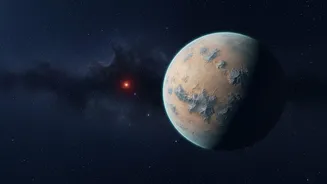
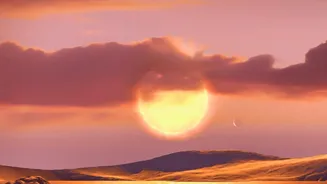
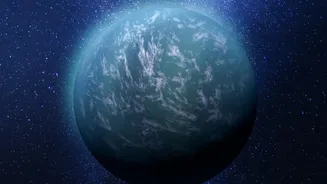
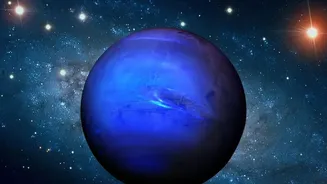
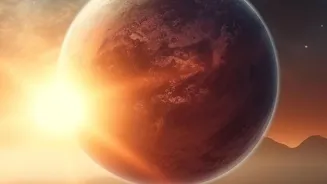
Just 40 light-years away lies a star system that has captivated astronomers since its discovery: TRAPPIST-1. It’s a compact cosmic family, featuring a cool, dim red dwarf star orbited by seven rocky, Earth-sized planets. What makes this system so special
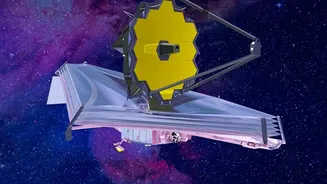
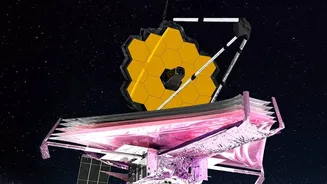
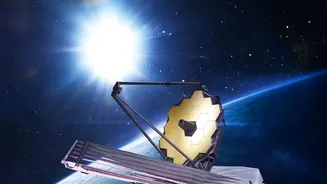
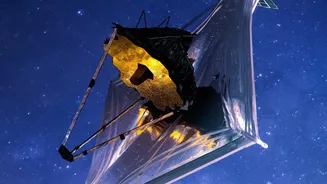
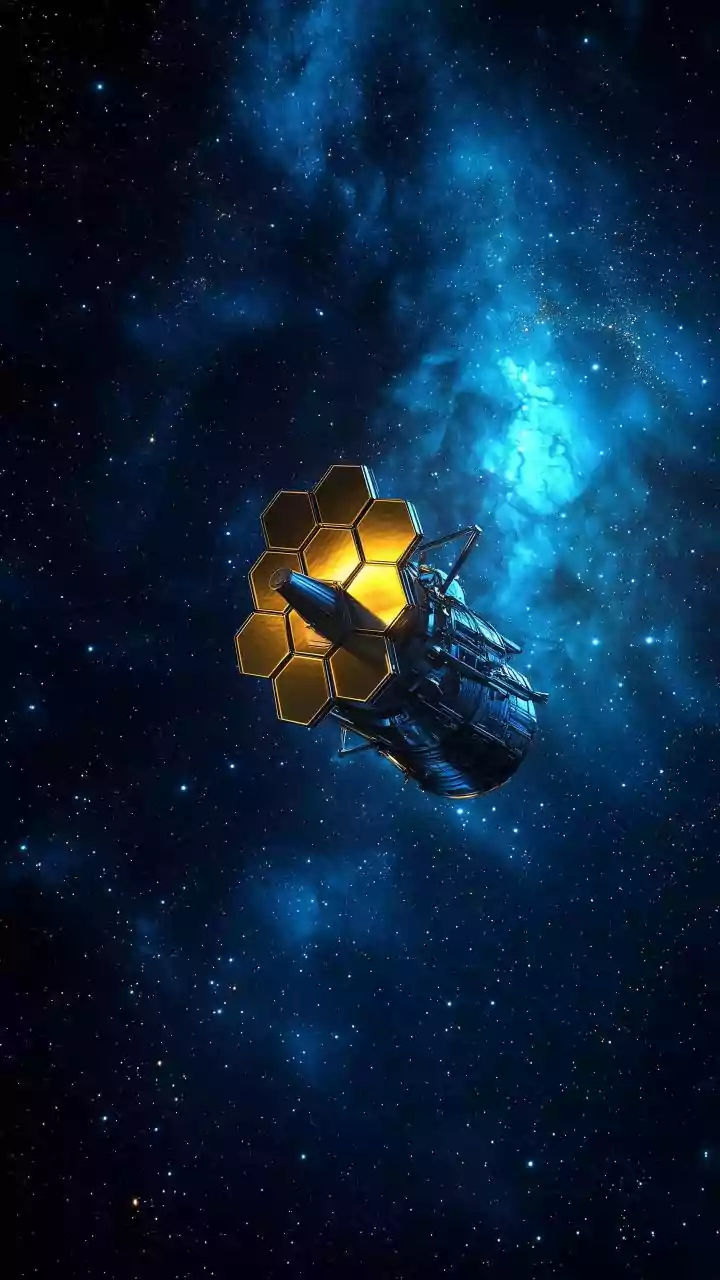
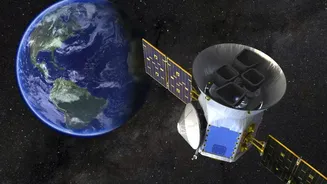
is that several of these planets exist within the star's 'habitable zone'—the orbital region where conditions could be just right for liquid water to exist on a planet's surface. This setup makes the TRAPPIST-1 system a perfect natural laboratory for JWST. Its powerful instruments were designed specifically to probe the atmospheres of such worlds, looking for the chemical building blocks of life. For years, scientists have pointed their instruments at these planets, but the answers have remained just out of reach, until now.
What Did Webb Actually Find?
In a remarkable display of its capabilities, the JWST has detected a substantial atmosphere rich in carbon dioxide around one of the TRAPPIST-1 planets. The telescope uses a technique called transmission spectroscopy. As the exoplanet passes in front of its host star, starlight filters through the planet's atmosphere. By analyzing this light, scientists can identify the chemical 'fingerprints' of the gases present. Previous observations of the inner planets, TRAPPIST-1b and TRAPPIST-1c, had suggested they might be bare rocks with little to no atmosphere. This new finding on a different planet in the system provides the first strong evidence of a significant, secondary atmosphere—one that was likely generated by geological activity over time, similar to the atmospheres of Earth, Venus, and Mars.
Why Carbon Is a Critical Clue
Detecting carbon dioxide is far more significant than just finding a random gas. A heavy, carbon-based atmosphere is a cornerstone of planetary habitability. Unlike a thin, primordial atmosphere of light gases like hydrogen and helium, which can be easily stripped away by a star's radiation, a CO2-rich atmosphere is dense and resilient. Its presence implies that the planet had enough geological activity to outgas and form a substantial atmospheric blanket. This blanket is crucial. It acts as a climate regulator, trapping heat through the greenhouse effect and maintaining stable enough temperatures to potentially allow for liquid water on the surface. Without a thick atmosphere, a planet's water would either freeze into ice or boil away into space. This detection is the first box that must be ticked on the checklist for a potentially habitable world.
From Possibility to Probability
This discovery transforms the scientific conversation. Before this, the existence of atmospheres around Earth-sized planets orbiting red dwarfs was largely theoretical. Models showed it was possible, but the harsh radiation from these active stars could also easily destroy them. Finding a real-world example proves that such planets can indeed form and, more importantly, retain a significant atmosphere. It shifts the study of these worlds from the realm of possibility to one of probability. Scientists are no longer asking if these planets have atmospheres, but rather, what kind of atmospheres they have. This allows them to refine their models and focus their search on the most promising targets within the TRAPPIST-1 system and beyond.
The Next Step: Hunting for Biosignatures
To be clear, carbon dioxide is not a direct sign of life. However, its confirmed presence is the essential backdrop against which the search for life can begin. A substantial atmosphere is a prerequisite for finding true 'biosignatures'—combinations of gases that are difficult to explain without the presence of biological processes. Scientists will now use JWST to search for trace gases within this CO2 atmosphere, such as methane and oxygen. Finding these gases co-existing would be a monumental discovery, as they tend to destroy each other chemically and would need to be constantly replenished, possibly by life. This detection of a heavy carbon atmosphere is not the finish line, but it is the critical, confirmed starting block for the next phase of exploration.