

Start with a Strategy: The Art of Balance
The key to a successful pan-Indian menu is not to pick the most famous dish from every state, but to create a balanced and enjoyable experience. A memorable meal has a sense of proportion. Think about contrast. If you have a rich, creamy main course,
pair it with something lighter and more acidic. Consider textures: a soft dal is wonderful alongside a crisp vegetable stir-fry. Aim for variety across the table, not just a collection of unrelated showstoppers. The goal is a sociable meal where guests can sample a spoonful of this and a bit of that, creating their own perfect plate. A good strategy is to choose one or two 'hero' main dishes and build the rest of the menu around them to complement their flavours rather than compete.
A Symphony of Starters
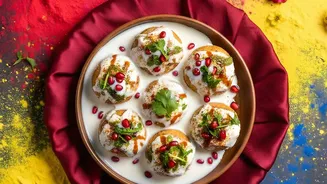
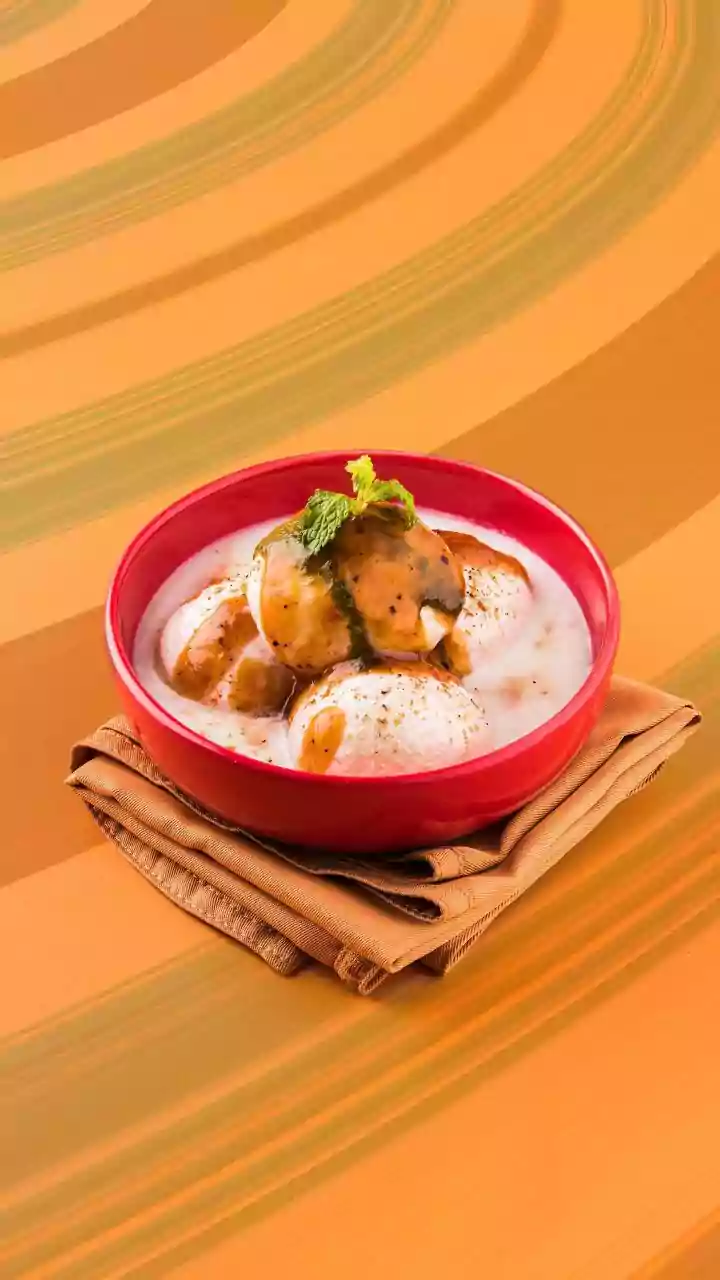
Appetizers set the tone for the meal. Instead of heavy, fried options that can tire the palate, choose starters that are vibrant and flavourful. Consider offering a mix of textures and tastes. For a touch of North Indian flair, Paneer Tikka offers a smoky, spiced element. From the West, a platter of light and spongy Gujarati Dhokla provides a tangy, savoury bite. You could also incorporate crispy Vegetable Spring Rolls or Spinach and Cheese Stuffed Mushrooms for a crowd-pleasing option. The idea is to offer guests small, delightful bites that awaken their appetite for the main event without being too filling.
The Main Event: Curries and Complements
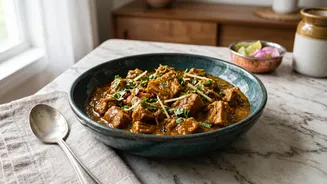
For the main course, select one or two distinct gravies and pair them with a dry vegetable dish (sabzi). This pairing of a 'wet' and 'dry' dish is a classic principle in Indian meal planning. For a rich and celebratory centerpiece from the North, a Paneer Butter Masala or Malai Kofta works wonderfully. To complement this, you could bring in a flavour from the South with a simple but delicious Avial, a mixed vegetable stew with coconut and yoghurt from Kerala. From the West, Rajasthan's Gatte ki Sabzi, featuring steamed gram flour dumplings in a tangy gravy, offers a unique texture and flavour profile. For a dry side, a simple Aloo Gobi (potatoes and cauliflower) or Bhindi Fry (crispy okra) provides a necessary textural contrast to the saucy curries.
Unifying Grains: Breads and Rice
Breads and rice are the foundation that ties the entire meal together. They are the neutral canvas for the rich curries and sabzis. Plain, fluffy Basmati rice is essential, perfect for soaking up flavourful sauces. For a more aromatic option, a simple Jeera Rice (cumin rice) or a vegetable Pulao adds a festive touch without overpowering the other dishes. When it comes to breads, offering one or two varieties is ideal. Soft, buttery Naan is a perennial favourite that pairs well with most North Indian curries. To represent another region, you could include Puris or even Theplas from Gujarat, which are spiced flatbreads that add their own subtle layer of flavour.
A Sweet, Harmonious Conclusion
A festive meal is incomplete without dessert, but it's important to choose one that complements the richness of the meal rather than overwhelming it. After a diverse and flavourful spread, a single, well-chosen dessert is often best. For a classic touch, Gajar ka Halwa (carrot pudding) from the North offers warmth and richness. From the South, a creamy Rice Kheer or Payasam provides a comforting and subtly sweet end. Another excellent option is the Bengali favourite, Rasmalai, which consists of soft cheese patties in chilled, sweetened milk—a light and refreshing finale. If you want something even lighter, a simple fruit salad with a sprinkle of chaat masala can be a surprisingly delightful end to a grand Indian feast.