






The artificial intelligence gold rush just hit a major speed bump. A sharp market correction has wiped trillions from tech valuations, forcing a sudden and sobering reassessment of the astronomical costs required to build the future of AI.
The Party Stops
After a year
of relentless hype, Wall Street’s love affair with artificial intelligence is facing its first serious test. A steep selloff on November 5th saw the tech-heavy Nasdaq Composite fall 5.5%, officially entering a correction, while the broader S&P 500 dropped 4.4%. The rout was led by companies at the heart of the AI boom, with chipmaker Nvidia falling 9.3% and AMD dropping 17.3%. Trillions of dollars in market value were erased in a single week. The event was less a rejection of AI’s potential and more a panicked response to a question that had been simmering for months: can anyone actually afford it? As UBS CEO Sergio Ermotti noted, investors had been pricing in 'perfection', and the sudden adjustment reflects a move from blind faith to intense scrutiny.
The Trillion-Dollar Price Tag
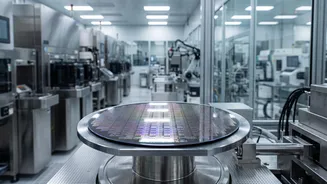
The core of investor anxiety is capital expenditure, or 'capex' — the money spent on physical infrastructure like data centers, servers, and the all-important GPUs. The numbers have become staggering. Major tech players like Amazon, Microsoft, Alphabet, and Meta are on track to spend a combined $720 billion to $745 billion on capex in 2026 alone. This spending is fueling a once-in-a-generation industrial buildout. For context, U.S. spending on data center construction, at over $50 billion annually, has now surpassed spending on all other commercial buildings combined. These hyperscale companies are now spending so much on infrastructure that their combined free cash flow recently turned negative, a major red flag for investors who now want to see a clear path to profitability.
More Than Just Chips
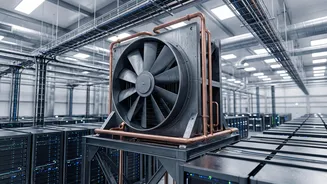
The costs go far beyond the price of silicon. Building an AI-ready data center is two to four times more expensive than a conventional one, costing between $30 million and $40 million per megawatt once GPUs and specialized liquid cooling are installed. The single biggest bottleneck, however, is power. AI's energy appetite is voracious, with some estimates suggesting data centers will nearly double their global electricity consumption by 2030. This has sparked a race for energy resources, with Big Tech now accounting for a huge share of clean energy purchases, driving up prices. There are also growing concerns at the local level about the strain these facilities put on power grids, which has been amplified by recent political shifts in the U.S. that suggest tougher regulation and slower permitting ahead.
A Shift in Mindset
For much of the last two years, announcing a massive AI spending plan was enough to send a company's stock soaring. That era is over. Investors are no longer impressed by spending for spending's sake; they are demanding a return on investment. The conversation has shifted from 'how much are you spending?' to 'how much are you earning from it?'. While some companies like Santander and Novartis are beginning to report tangible financial gains from AI, many others are struggling to show a clear link between their massive outlays and bottomline results. Fewer than 1% of executives report a 'significant ROI' from their AI initiatives. This has created a value gap, where the committed capital far outweighs the proven profits, making investors nervous about the longterm sustainability of the current spending frenzy.
The New AI Playbook
The correction doesn't mean the AI revolution is over. Rather, it marks the end of the beginning. The 'build it at any cost' phase is giving way to a more disciplined approach focused on efficiency, profitability, and sustainable growth. Investors are becoming more selective, favoring companies with strong balance sheets and clear monetization strategies over those fueled by debt and hype. There will likely be a shakeout, particularly among smaller, less diversified AI firms that now face higher borrowing costs and tighter financing. The tech giants will continue to invest, but they will be under immense pressure to demonstrate that their billion dollar data centers can generate billions in profit. The AI boom is still on, but the days of the blank cheque are gone.