




A Partnership Decades in the Making
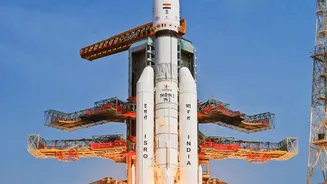
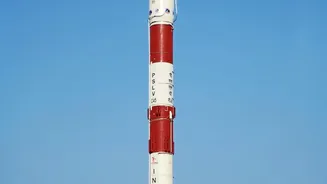
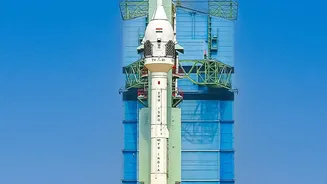
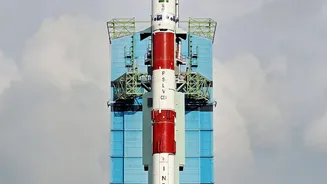
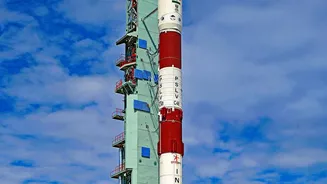
The collaboration between the Indian Space Research Organisation (ISRO) and the National Aeronautics and Space Administration (NASA) is not a recent development. Its roots trace back to the 1960s, shortly after ISRO's formation, with early projects like
establishing rocket launching stations. One of the most significant early successes came with India's Chandrayaan-1 lunar mission in 2008, which carried a NASA instrument onboard. This joint effort led to the landmark discovery of water molecules on the Moon, demonstrating the power of pooling scientific resources. This long history of trust and shared success has created a strong foundation for the more ambitious projects being undertaken today.
An Eye on Earth: The NISAR Mission
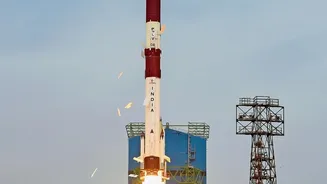
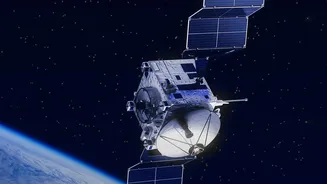
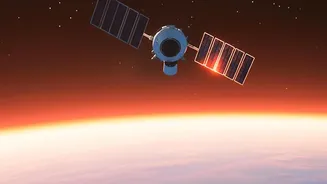
Perhaps the most significant joint project to date is the NASA-ISRO Synthetic Aperture Radar (NISAR) mission. This advanced Earth-observation satellite, launched from India, is the first to use dual-frequency radar systems to map our planet in unprecedented detail. By scanning nearly the entire globe every 12 days, NISAR provides critical data on a host of environmental issues. It will help monitor melting glaciers, track deforestation, measure changes in agricultural lands, and provide early warnings for natural disasters like earthquakes and landslides. For India, the data is invaluable for managing water resources, securing agriculture, and preparing for climate-related challenges. For the world, it offers a comprehensive health check-up of our changing planet.
The Geopolitical Frontier
Beyond pure science, the India-US space partnership carries significant geopolitical weight. As space becomes an arena for strategic competition, collaboration between the world's two largest democracies sends a powerful message. The partnership is widely seen as a way to create a counterbalance to China's rapidly expanding space ambitions. By working together, India and the US can promote a shared vision for a free, open, and peaceful space governed by international norms. This alignment is formalised by India's decision to join the Artemis Accords, a US-led framework outlining principles for responsible lunar exploration. This move positions India as a key player in shaping the future of space governance, distinct from the alternative bloc led by China and Russia.
To the Moon and Beyond: The Artemis Accords
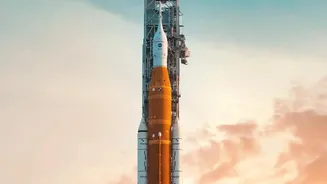
India's signing of the Artemis Accords marks a strategic shift from independent space activity to collaborative global engagement. These accords set out principles for safe and transparent exploration of the Moon. For India, joining this multilateral framework avoids technological isolation and ensures its systems are compatible with global standards. It opens the door for deeper involvement in future lunar missions, including NASA's plans for a sustainable presence on the Moon. This collaboration is not just about exploration; it's about building the infrastructure for a future lunar economy, involving robotics, navigation, and life-support systems. It also creates opportunities for India's growing private space sector to integrate into global supply chains.
Fostering a New Commercial Cosmos
The partnership extends beyond government agencies. A key goal is to foster collaboration between the two countries' burgeoning private space industries. Initiatives like the U.S.-India Initiative on Critical and Emerging Technology (iCET) specifically highlight commercial space as a priority area. This includes everything from satellite launch systems and space tourism to advanced manufacturing. For Indian startups, this means greater access to American technology, capital, and markets. For the US, India's cost-effective engineering and growing talent pool make it an attractive partner. This commercial synergy promises to accelerate innovation and drive economic growth in both nations.