





More Than Just a Meal
To truly understand a place, you must taste it. This simple philosophy is at the heart of the growing trend of street food exploration tours across India. For an increasing number of domestic travellers, these guided walks are becoming the key to unlocking
a neighbourhood’s authentic character. It’s a shift away from just visiting landmarks towards a more immersive, multi-sensory form of tourism. A food tour is not merely about consumption; it’s an interactive lesson in history, sociology, and community life, all served one delicious bite at a time. These tours offer a curated pathway into the heart of a city's culinary scene, which is often intimidating and chaotic for an outsider to navigate alone.
A Story in Every Bite
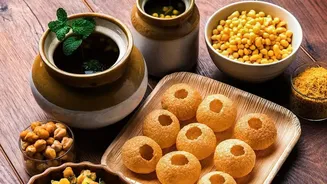
Every iconic street food dish has a story. Pav bhaji, for example, originated in Mumbai as a quick, hot meal for textile mill workers with short lunch breaks. A knowledgeable guide on a food tour doesn't just point you to the best vendor; they narrate the history behind the food, explaining how migration, trade, and local ingenuity shaped what's on your plate. Participants learn about the significance of specific ingredients and cooking techniques that have been passed down through generations. This storytelling transforms a simple snack into a piece of living heritage, connecting the traveller to the city’s past and the communities that built it.
The Guide as a Cultural Bridge
Navigating the labyrinthine alleys of Old Delhi or the crowded khau gallis of Mumbai can be daunting. A local guide acts as a cultural bridge, making these spaces accessible and safe. They know the hidden gems—the small, family-run stalls that have perfected a single dish over decades but are often missed by typical travel guides. These guides have built relationships with the vendors, which allows for a more personal interaction. Travellers get to see the masters at work, hear their stories, and understand the pride they take in their craft. This direct connection with local entrepreneurs provides a glimpse into the economic and social fabric of the neighbourhood that a restaurant meal simply cannot offer.
An Authentic Taste of Community
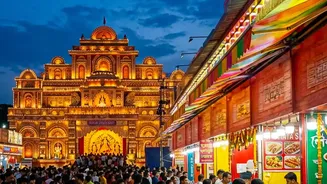
Street food stalls are more than just places to eat; they are community hubs where people from all walks of life converge. By participating in a food tour, travellers step into this local ecosystem. They stand shoulder-to-shoulder with residents, sharing a collective experience that transcends tourism. This shared space fosters a sense of connection and provides an unscripted look at daily life. The tours often venture into diverse neighbourhoods, from the Tibetan settlement of Majnu-ka-Tilla in Delhi to the Bohri Mohalla in Mumbai, showcasing the distinct culinary identities of different communities and celebrating the multicultural tapestry of urban India.
Building a Deeper Connection
Ultimately, food tours encourage a more conscious and appreciative form of travel. By focusing on hyper-local cuisine, they generate income directly for small, independent businesses and help preserve culinary traditions that might otherwise be lost. For the Indian traveller, it's a powerful way to reconnect with the diversity of their own country. It fosters a deeper appreciation for the nuances of regional cultures, proving that sometimes the most profound travel experiences are the ones that engage all the senses, starting with taste. It’s about understanding that the flavour of a place is intrinsically linked to its people, its history, and its vibrant, everyday life.