




The Riverside Serenity of Tirthan Valley
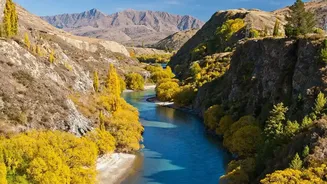
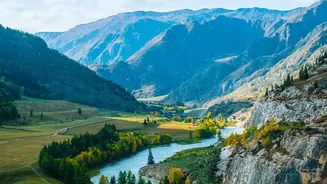
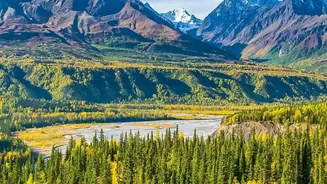
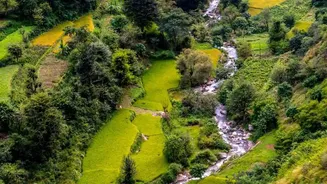
Tirthan Valley, often called a paradise for nature lovers, is defined by the crystal-clear Tirthan River that flows through it. This destination is the gateway to the Great Himalayan National Park, a UNESCO World Heritage Site, offering a range of experiences
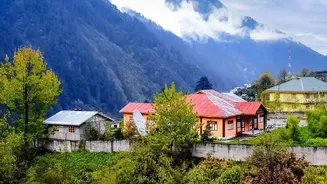
from gentle riverside walks to multi-day treks into the park's core. Anglers are drawn to the valley for its abundant trout population, making it one of India's premier spots for trout fishing. Life here moves at a slower pace. Visitors can explore traditional villages like Gushaini and Nagini, hike to hidden waterfalls such as the Chhoie Waterfall, or simply find a spot by the river to relax. Homestays and small guesthouses are plentiful, often situated right on the riverbank, providing an immersive natural experience.
Shoja: The Quiet Hamlet in the Clouds
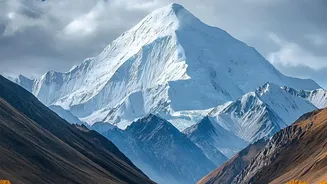
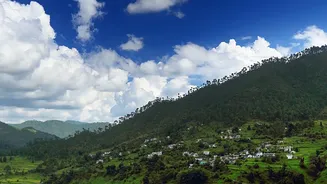
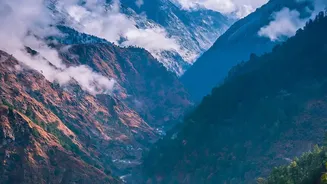
Situated at a higher altitude of around 2,700 metres, Shoja is a smaller, more serene hamlet that feels even more disconnected from the world. Quieter than the relatively more frequented Jibhi nearby, Shoja is for those who crave solitude and dramatic mountain vistas. The main draw here is its proximity to the breathtaking Jalori Pass, located just a short drive away. From the pass, you can embark on two popular and highly rewarding short treks. One trail leads you through dense oak forests to the pristine Serolsar Lake, a place of local legend and tranquil beauty. Another trek takes you to the ruins of Raghupur Fort, which opens up to stunning 360-degree views of the Himalayan ranges. With its deodar forests and quiet atmosphere, Shoja is ideal for slow travel, reading, and simply soaking in the silence.
Autumn's Golden Glow
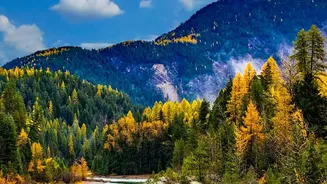
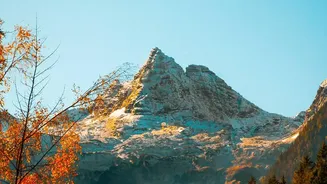
While these valleys are beautiful year-round, autumn holds a special magic. From late September to November, the monsoon rains have washed the landscape clean, leaving behind lush greenery and exceptionally clear skies. This is considered one of the best times to visit, as the weather is pleasant and stable, perfect for trekking and photography. The air is crisp, and the foliage begins to turn, painting the hills in shades of gold, orange, and red. Most importantly, the autumn season sees fewer tourists than the peak summer months, living up to the promise of an uncrowded and peaceful Himalayan experience. The roads, especially the approach to Jalori Pass, are also in their best condition post-monsoon.
Which Valley is Right for You?
Choosing between Tirthan and Shoja depends on the experience you seek. If your ideal vacation involves the soothing sound of a river, easy access to various villages, and activities like fishing, Tirthan Valley is your answer. It has more stay options spread out along the river and feels more expansive. On the other hand, if you prefer high-altitude solitude, dramatic panoramic views, and a base for stunning ridge-top treks, Shoja is the better choice. It is a compact village where the primary activity is to be with nature, making it a true retreat. The two are close enough to explore both, but your base will define the character of your trip. Tirthan is about the valley floor and river; Shoja is about the heights and the silence.
Planning Your Himalayan Escape
Reaching these valleys typically involves a road journey. The common route from cities like Delhi or Chandigarh is an overnight bus or drive to Aut, a small town on the Kullu-Manali highway. From Aut, you leave the main highway and hire a local taxi for the scenic drive to Banjar, and then onwards to either Tirthan or Shoja. The nearest airport is Bhuntar (Kullu-Manali), from where it is a 2-3 hour drive. Accommodation is dominated by charming homestays and eco-friendly cottages that offer a glimpse into the local way of life. Pack layers of warm clothing, as temperatures can drop significantly, especially in Shoja and at Jalori Pass. Good walking shoes are a must for exploring the numerous trails.