

Embracing a Greener Perspective
Traditionally, Assam’s tourism peaks in winter, when national parks promise clear skies and prime wildlife sightings. The monsoon, from roughly June to September, was seen as a time of floods and logistical challenges. However, perceptions are shifting.
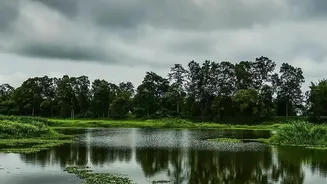
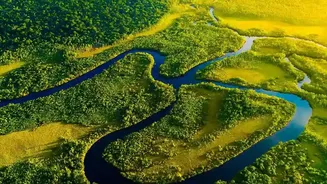
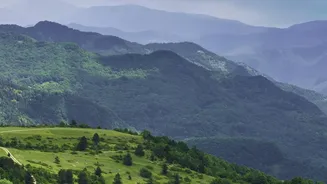
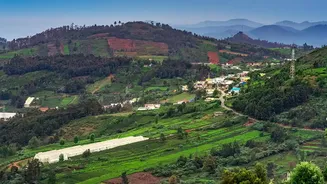
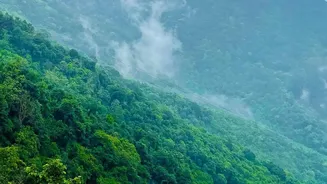
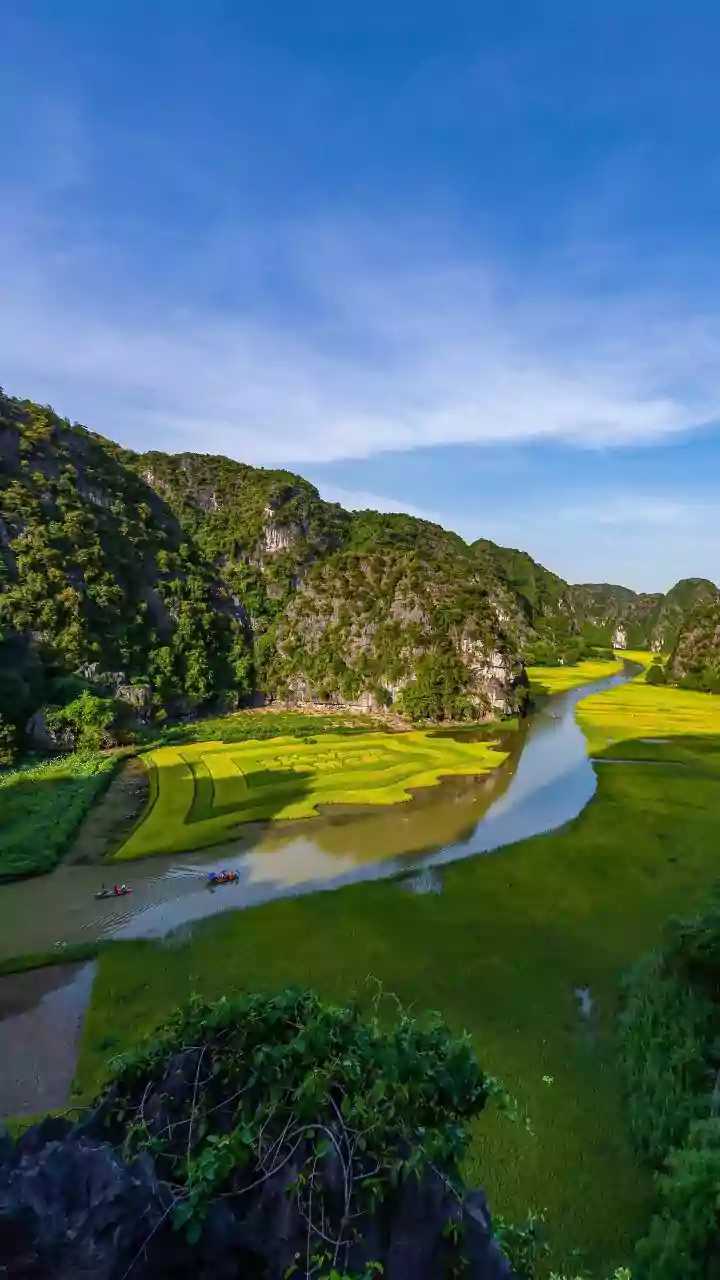
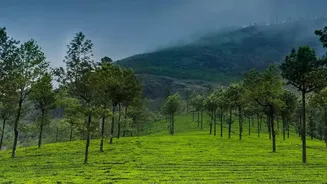
For a growing number of visitors, the rain is not an obstacle but the main attraction. It transforms the state into a breathtaking tapestry of lush, vibrant greens, from the mist-covered hills of Haflong to the rain-washed tea plantations. This period offers a quieter, more introspective travel experience, attracting those who want to connect with nature at its most raw and revitalised. Fewer crowds mean a more serene atmosphere and the chance for a more personal journey.
Beyond the Closed Park Gates
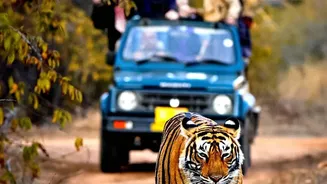
It’s a crucial fact that major wildlife sanctuaries like Kaziranga National Park are mostly closed during the monsoon due to flooding from the Brahmaputra River. While some elevated trails in certain ranges may remain partially accessible, the quintessential jeep safari experience is largely unavailable. But this limitation is precisely what encourages a different kind of exploration. Travellers are looking beyond the one-horned rhino and discovering other natural wonders. Parks like Dibru-Saikhowa, a biodiversity hotspot that remains open year-round, offer unique riverine ecosystems to explore by boat. Wetlands like Deepor Beel, a Ramsar site near Guwahati, become a paradise for birdwatchers as the rains attract countless species.
The Allure of the Tea Gardens
Nowhere is the monsoon’s magic more apparent than in Assam's sprawling tea estates around Jorhat and Dibrugarh. The rain makes the tea bushes intensely green and the air is filled with a fresh, earthy aroma. Many estates offer stays in beautifully restored colonial-era bungalows, providing a front-row seat to the spectacle. Visitors can witness the entire tea-making process, from watching workers deftly pluck leaves in the rain to guided tasting sessions of different blends. This immersive experience combines luxury, culture, and nature, making it a cornerstone of monsoon eco-tourism in the region.
Waterfalls, Rivers, and Hills
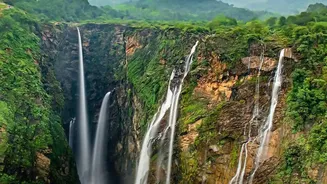
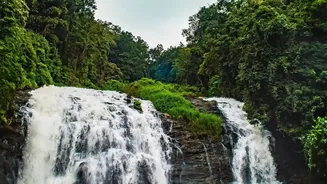
The monsoon breathes life into Assam’s waterways. Waterfalls that are mere trickles in the dry season become powerful, roaring cascades, creating dramatic landscapes perfect for photography. The state’s only hill station, Haflong, becomes a misty wonderland, offering serene trekking opportunities amidst breathtaking scenery. While adventure activities like rafting are limited due to strong currents, a gentle cruise on the majestic Brahmaputra offers a unique perspective of the rain-drenched countryside and swelling river. The world's largest river island, Majuli, retains its cultural charm and offers a peaceful retreat, with its Vaishnavite monasteries (Satras) taking on a tranquil quality in the rain.
A Quieter, More Sustainable Choice
Choosing to travel during the monsoon is also a conscious decision towards more sustainable tourism. It helps distribute the economic benefits of tourism more evenly throughout the year, supporting local communities during what was once a lean period. With fewer tourists, there is less pressure on local infrastructure and ecosystems. This off-season travel often comes with practical perks like lower prices for accommodation. For the eco-conscious traveller, it’s a chance to experience a popular destination in a more authentic and less crowded state, fostering a deeper connection with the place and its people while leaving a lighter footprint.