


The Hidden Power in Your Peels
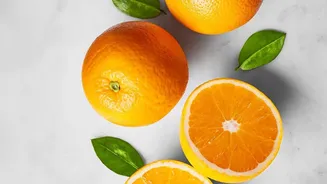
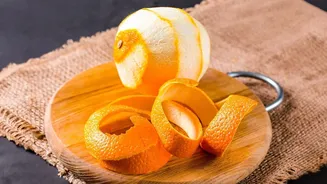
Every year, countless tonnes of citrus peels are discarded, contributing to food waste. But the zero-waste cooking movement encourages us to see these scraps not as rubbish, but as resources. The peel of an orange is a treasure trove of beneficial compounds,
often containing more vitamin C, fibre, and potent antioxidants than the fruit itself. By turning them into marmalade, you not only create a gourmet spread from scratch but also take a meaningful step towards a more sustainable kitchen. This practice honours the entire fruit, reduces your environmental footprint, and rewards you with a product that is far superior to many store-bought alternatives.
Why Is It Gut-Healthy?
The “ gut-healthy ” claim for orange peels isn't just a gimmick; it’s rooted in science. The peels are exceptionally rich in a type of soluble fibre called pectin. Pectin acts as a prebiotic, which means it serves as food for the beneficial bacteria in your gut. A thriving gut microbiome is linked to improved digestion, reduced inflammation, and a stronger immune system. Furthermore, orange peels contain powerful flavonoids like hesperidin. These compounds have anti-inflammatory and antioxidant properties that can help protect the digestive system, soothe discomfort, and support overall gut health.
A Crucial First Step: Sourcing and Cleaning
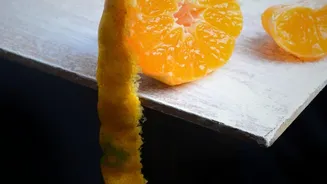
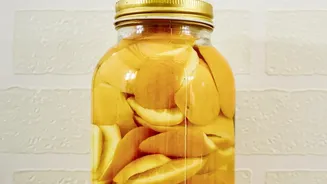
Before you start cooking, it is vital to consider where your oranges came from. Since you will be consuming the peel, it is best to use organic and unwaxed oranges to avoid ingesting pesticide residues and chemical coatings. If you cannot find organic citrus, be sure to wash the peels thoroughly. A good scrub under running water with a vegetable brush is a start. For extra peace of mind, you can soak the peels in a solution of water and baking soda or vinegar before giving them a final rinse. This helps to remove surface contaminants and ensures your final product is as pure and wholesome as possible. Never use peels that have been treated with dyes or non-food-grade waxes.
Simple Zero-Waste Marmalade Recipe
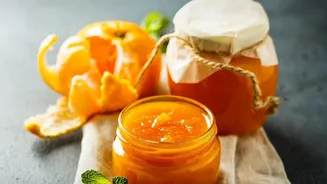
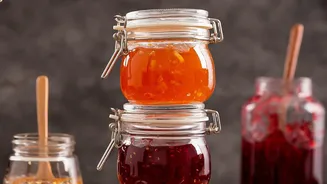
This recipe is straightforward and doesn't require any special canning equipment. Ingredients: Peels from 4-5 medium-sized organic oranges, 2 cups of sugar, 2 cups of water, and the juice of one lemon. First, finely slice the orange peels into thin strips. To reduce bitterness, you can boil the peels in water for 10 minutes and then drain them. In a saucepan, combine the sliced peels, sugar, water, and lemon juice. Bring the mixture to a boil, then reduce the heat to a simmer. Let it gently bubble for about 40-60 minutes, stirring occasionally to prevent it from sticking. The marmalade is ready when it has thickened and coats the back of a spoon. If you have a kitchen thermometer, it should reach 105°C. Allow it to cool slightly before transferring it to clean, sterilised jars.
Storage and Customisation
Once cooled and jarred, your homemade marmalade should be stored in the refrigerator. Because it is preserved naturally with sugar, it will keep for several weeks. Now for the fun part: customisation. This basic recipe is a perfect canvas for your creativity. For a warming, spiced version, add a cinnamon stick or a star anise to the pot while the marmalade simmers. A splash of vanilla extract stirred in at the end can add a lovely depth of flavour. You can also mix citrus, using the peels of lemons or grapefruit alongside the orange for a more complex, tangy preserve. Enjoy your creation on toast, stirred into yoghurt, or as a glaze for roasted meats and vegetables.