





When the air gets a chill, many of us crave a warm bowl of saag. But beyond being a beloved comfort food, this leafy green dish is a nutritional powerhouse that can elevate your everyday meals from simple to supercharged.
More Than Just Mustard Greens
For many, 'saag' immediately brings
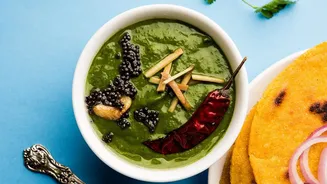
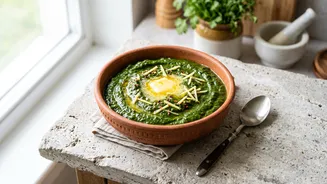
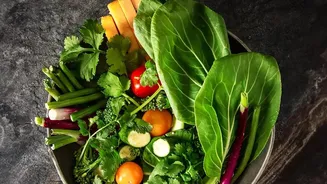
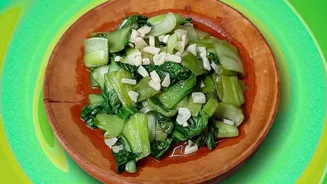
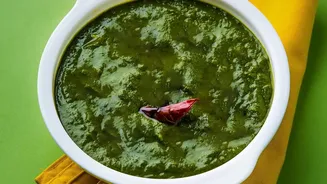
to mind Sarson ka Saag, the iconic Punjabi dish made from mustard leaves. While delicious, that's just one chapter in a much larger story. Saag is a broad term for a variety of dishes made from slow-cooked leafy greens. Across India, saag is prepared with whatever greens are seasonal and abundant. This can include spinach (palak), fenugreek (methi), amaranth (chaulai), and the highly nutritious bathua (chenopodium or pigweed). This variety is key to its versatility and wide-ranging health benefits, as each green brings its own unique nutritional profile to the table.
A Symphony of Vitamins and Minerals
At its core, saag is a concentrated source of essential nutrients. Mustard greens, a common base, are packed with Vitamins A, C, and K, which are vital for immune function, skin health, and proper blood clotting. Greens like spinach and bathua are incredibly rich in iron and calcium, crucial for preventing anaemia and maintaining strong bones. In fact, bathua is noted for having significantly higher levels of calcium and iron compared to even spinach. Saag is also an excellent source of dietary fibre, which is essential for good digestion and can help you feel full longer, aiding in weight management.
The Tangible Health Benefits
Regularly including saag in your diet can offer a host of health advantages. The high fibre content promotes a healthy gut, aids digestion, and can prevent issues like constipation. The abundance of antioxidants found in greens helps combat oxidative stress and inflammation, which are linked to chronic diseases. The combination of folate and potassium contributes to heart health by helping to manage cholesterol and blood pressure levels. Furthermore, the rich iron content makes saag particularly beneficial for individuals at risk of iron deficiency.
Beyond Makki Di Roti: Modern Ways to Eat Saag
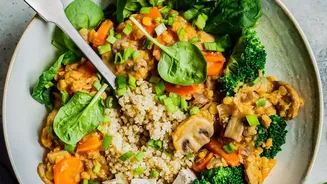
While the traditional pairing of saag with makki di roti (corn flatbread) is classic for a reason, its use doesn't have to end there. Leftover saag can be creatively repurposed into a variety of modern, healthy meals. Mix it with whole wheat dough to make flavourful parathas or blend it into an omelette with potatoes for a nutrient-dense breakfast. For a quick lunch, stir it through cooked quinoa or use it as a hearty spread on an avocado toast. You can even use it as a base for a rich pasta sauce or a filling for wraps and sandwiches, making it a versatile component for any meal of the day.
Tips for a Healthier Saag
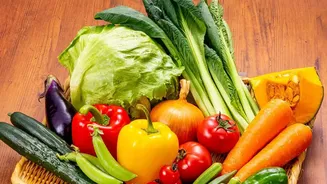
A few simple adjustments during preparation can maximize the health benefits of your saag. While traditional recipes can be heavy on ghee or cream, you can achieve a delicious result using less fat. Consider using mustard oil or another healthy oil for tempering, and add creaminess with a small amount of yogurt or coconut milk instead of heavy cream. To preserve the delicate vitamins, avoid overcooking the greens; a brief blanch before blending can help retain their vibrant colour and nutrients. You can also boost the nutritional value further by adding other vegetables like turnips, carrots, or even protein sources like paneer, tofu, or chickpeas.