








The Evolution of the Glow
Before it was dubbed 'glazed donut skin' by Hailey Bieber, it was known as 'glass skin' in the world of K-beauty. And before that, 'chok-chok'—a Korean term for skin that looks plump, moist, and dewy. This obsession with a luminous complexion isn't new,
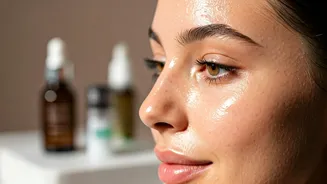
but its modern interpretation has become a global phenomenon. Unlike trends that rely on specific colours or application techniques, glossy skin is about texture and finish. It’s the visual cue of skin that is so healthy and hydrated it reflects light. This universality is key to its endurance. While a bold blue eyeliner might feel out of place in a corporate meeting, a healthy glow is always in style, transcending occasions, seasons, and even generations.
A Signal of Health and Youth
At its core, the appeal of glossy skin is psychological. It mimics the natural dewiness associated with youth and vitality. Healthy skin has a natural luminosity, a sign that its barrier is intact, it’s well-hydrated, and cell turnover is efficient. In a world increasingly focused on wellness, glossy skin has become the ultimate external signifier of internal health. It whispers that you drink enough water, get adequate sleep, and eat a balanced diet. It's less about concealing imperfections and more about broadcasting a lifestyle of self-care. This connection to wellness gives it a depth that a fleeting makeup trend, like bubblegum pink blush, simply can't compete with. It’s not just about looking good; it's about feeling good, and showing it.
The Rise of Skincare as Status
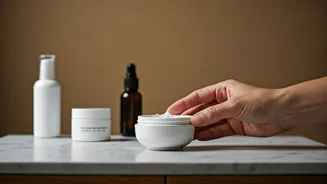
The persistent popularity of glossy skin also reflects a major shift in the beauty industry: the pivot from makeup to skincare. Achieving that lit-from-within glow isn't the result of a single highlighter. It’s the product of a dedicated, multi-step routine involving cleansers, toners, serums, moisturisers, and, most importantly, sunscreen. This makes skincare a new kind of status symbol. It signals that you have not only the financial resources to invest in quality products but also the time and knowledge to curate and follow a consistent regimen. In India, this shift is palpable. Consumers are more educated than ever, seeking out active ingredients like hyaluronic acid, niacinamide, and vitamin C. A flawless, glowing complexion is now seen as the ultimate luxury—a testament to discipline and investment in oneself.
Adapting the Glow for India
While the trend has global roots, its adoption in India is nuanced. For those with oily or combination skin, especially in humid climates, the line between ‘glossy’ and ‘greasy’ can be thin. The Indian approach, therefore, focuses on a 'balanced glow'. It’s about achieving radiance without looking oily. This involves using lightweight, non-comedogenic hydrators, gentle exfoliants to keep pores clear, and mattifying sunscreens in strategic areas. The goal is a healthy sheen on the high points of the face—cheekbones, brow bone, bridge of the nose—rather than an all-over wet look. This practical adaptation ensures the trend is wearable and flattering for a diverse range of skin types and climates, further cementing its place in our beauty vocabulary.
Achieving It the Right Way
So, how does one get on board? The philosophy behind glossy skin is a long-term commitment, not a quick fix. The foundational pillars are hydration, exfoliation, and protection. Hydration is key—both internally (drinking water) and externally (using products with humectants like hyaluronic acid and glycerin). Gentle exfoliation, whether with chemical exfoliants like AHAs or BHAs, helps slough off dead skin cells that cause dullness. Finally, daily sun protection is non-negotiable. Sun damage is the primary cause of premature ageing and dull, uneven skin tone. By focusing on these core principles of skin health, the glow becomes an authentic result of good care, not just a superficial layer of product.