







The Soaring Cost of Sweets and Sugar
No Indian festival is complete without a generous spread of mithai. However, this year, satisfying your sweet tooth could be more expensive. Sugar prices have seen a significant increase ahead of the festive season, driven by tighter domestic supply and
high demand from both households and commercial sweet makers. Reports from early September 2026 show sugar prices are up notably year-on-year, with retail costs in some areas reaching as high as 75 rupees per kilogram. This surge directly impacts the price of traditional sweets like ladoos and barfi, as well as processed foods like biscuits and chocolates. Some mithai shops have already reported price hikes of at least 30% on certain items due to the combined pressure of rising sugar and milk costs. To manage this, consider preparing sweets at home where you can control the ingredients, or budget for higher prices on your favourite store-bought treats.
Keeping an Eye on Edible Oils
From frying snacks like samosas and pakoras to preparing rich curries, edible oils are a festive kitchen staple. As India imports nearly two-thirds of its vegetable oil, domestic prices are highly sensitive to global market fluctuations, import duties, and currency movements. Prices for vegetable oils have climbed by nearly 20% over the last year. Demand typically peaks during the September to November festival period, putting further upward pressure on prices. The government is reportedly considering a cut in import taxes to curb this inflation, but the impact on retail prices remains to be seen. When shopping, compare prices between different types of oils like sunflower, soy, and palm oil, and consider buying larger packs from wholesale stores to secure a better rate before the peak demand hits.
The Crucial Role of Milk and Dairy
Ghee for diyas and sweets, milk for kheer, and paneer for special dishes are all non-negotiable during festivals. Unfortunately, dairy prices have been on a steady incline. Major dairy brands like Amul and Mother Dairy implemented a price hike of ₹2 per litre in May 2026, citing rising production and operational costs. Furthermore, some regions have seen even steeper increases; for instance, wholesale buffalo milk prices in Mumbai were set to rise by ₹9 per litre from September 1, 2026. These increases are driven by higher cattle feed expenses and transportation costs. This directly affects the cost of ghee, paneer, and curd. To save, look for deals at local dairies or cooperatives and plan your purchases in advance.
The Price of Pulses and Grains
Pulses (dals) and grains form the base of many festive meals. While staples like rice and wheat have remained relatively stable due to government policies, certain pulses like tur (pigeon pea) and chana (gram) can be volatile. Festive demand for chana dal and besan (gram flour) remains high, which helps keep prices firm. Weather conditions and sowing patterns can affect the output of crops like tur, leading to price fluctuations. While a major price shock is not expected, it is wise to stock up on essentials like chana, urad, and moong dal a few weeks before the festivities begin. This can protect your budget from any last-minute demand-driven spikes.
Don't Forget Dry Fruits and Nuts
Dry fruits are essential for gifting and for preparing rich festive dishes. The prices of almonds, cashews, walnuts, and pistachios typically climb by 15-25% as the festive and wedding season approaches in December and January. The best time to buy is often right after the harvest season (around August to October for almonds and walnuts) when prices are at their lowest. Buying online from direct sellers or from wholesale markets can often be 15-30% cheaper than purchasing from branded retail outlets, where you also pay a premium for packaging. Plan your dry fruit shopping for October to get the best value before the peak Diwali rush.
The Foundational Vegetables
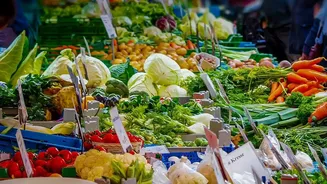
Key vegetables like onions, tomatoes, and potatoes are the foundation of most Indian cooking, and their prices can be notoriously volatile. As of August 2026, data showed that onion price inflation had jumped significantly. Patchy monsoon rains can impact harvests and lead to supply delays, causing sharp price increases in a short period. While tomato prices saw a dip recently, the overall trend for essential vegetables can be unpredictable. Rural households often feel the squeeze from these price hikes the most. Track local market prices in the weeks leading up to your main festive cooking days. Buying from larger mandis or farmer's markets can sometimes offer better prices than neighbourhood vendors.