




What is Experiential Travel?
At its heart, experiential travel is the move away from being a passive observer to an active participant. It’s the difference between seeing a historic temple and learning about its cultural significance from a local guide, or between eating at a popular
restaurant and taking a cooking class to learn the secrets of the regional cuisine. [3, 5] This approach encourages a deep and meaningful connection with a destination's culture, people, and environment. [2, 6] It transforms travel from a checklist of landmarks into a story where the traveller is a character, engaging their senses and creating lasting memories through genuine interaction. [2, 13]
Why We're Choosing 'Doing' Over 'Viewing'
Several factors are driving this shift. For younger generations like Millennials and Gen Z, travel is an expression of identity, and they are increasingly prioritising unique, personal experiences over pre-packaged popular options. [28] In India, there's a notable trend among young travellers to seek out cultural immersion, adventure, and cuisine. [8] The post-pandemic world has also played a role, with many people reassessing their priorities and seeking more meaningful connections and wellness-focused activities. [7, 9, 19] This has led to a greater appreciation for nature, local communities, and slower, more deliberate forms of travel that foster personal growth and well-being. [17, 24]
From Tourist Trails to Local Life
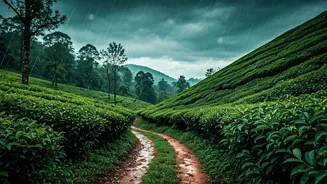
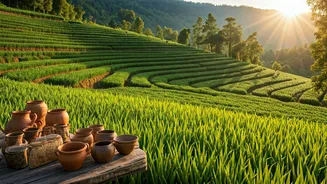
So, what does this look like in practice? It can be anything that immerses you in the local way of life. Instead of just visiting a tea garden in Munnar, you could participate in a tea-plucking and tasting session. Rather than simply buying textiles in Rajasthan, you could join a block-printing workshop. [23] Other examples include volunteering with a local conservation project, staying in a family-run homestay to share meals and stories, taking a guided cycling tour through villages, or learning a traditional dance. [4, 18, 23] The goal is to step outside your comfort zone, learn a new skill, and see the destination from the perspective of those who call it home. [3, 5]
The Lasting Rewards of Immersive Journeys
The benefits of this travel style extend far beyond a great photo opportunity. By engaging with local artisans and guides, you are directly supporting the local economy and encouraging sustainable tourism practices. [4, 5] On a personal level, these immersive activities foster deeper cultural understanding, empathy, and personal growth. [13, 17] They often lead to improved mental and emotional wellness, as being present in a new environment encourages mindfulness and reduces stress. [4, 17] Ultimately, the most valuable souvenirs from an experiential trip are the vivid memories, new skills, and meaningful connections you bring home. [5, 17]
How to Plan Your Own Experience-Rich Trip
Making your next holiday more experiential doesn't require a radical overhaul. Start by defining what truly interests you—be it food, nature, art, or adventure. [17] Research destinations that offer opportunities to engage with these passions. Look for local-led tours, workshops, and homestays. When planning, intentionally leave some parts of your schedule open for spontaneity; this allows you to follow your curiosity and discover hidden gems. [18, 28] Prioritise quality over quantity, and don't try to cram too much into one trip. [3, 27] Remember, the goal isn't to see everything, but to truly experience something.