
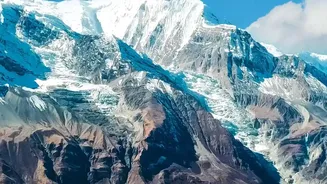
A harrowing rescue in Nepal’s Manaslu region is a stark reminder of the perils facing trekkers. The incident highlights the dual dangers of the Himalayas: the unforgiving, fast-changing weather and the critical risks of bypassing official regulations.
A Perilous Journey Ends in Rescue
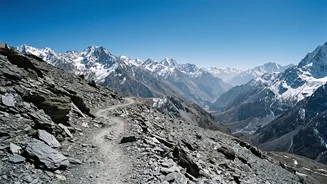
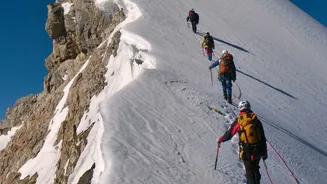
In early November, a small group of trekkers, including two Indian nationals, embarked on the challenging Manaslu circuit, a trek renowned for its remote beauty and rugged terrain. Their adventure took a dangerous turn when a sudden, severe blizzard trapped them at high altitude. Disoriented and caught in whiteout conditions, the group was reported missing after failing to check in. A frantic search operation was launched, and after two tense days, a rescue team located them. While their lives were saved, one trekker is being treated for severe frostbite, a life-altering injury that underscores the fine line between adventure and tragedy. The incident serves as a powerful cautionary tale for the thousands of adventurers who flock to the region each year.
The Critical Role of Official Permits
According to local authorities, the rescued group was found to be trekking without all the necessary official permits. While they may have possessed a basic Trekkers' Information Management System (TIMS) card, the Manaslu region is a restricted area requiring a special permit. These permits are not just a form of tourism revenue; they are a crucial lifeline. Registering a trek with the authorities ensures that officials know who is on the mountain, their intended route, and their expected timeline. When a group is overdue, this registration system is what triggers an alert and provides rescuers with a starting point. Circumventing this process, often to save money or time by hiring an unregistered guide, means trekking invisibly. In an emergency, no one knows you are in trouble until it is potentially too late.
Weather: The Great Himalayan Unpredictable
The Himalayas operate on their own terms, a fact that every mountaineer knows but some trekkers underestimate. The post-monsoon season, from September to November, is typically considered the best time to trek, with clear skies and stable conditions. However, this stability is never guaranteed. The incident on Manaslu was caused by a sudden, localized storm—a common phenomenon at altitudes above 4,000 metres. At these elevations, a sunny morning can turn into a raging blizzard in less than an hour. Factors like wind chill can drop the effective temperature to deadly levels, and heavy snowfall can obliterate trails, leading to disorientation and life-threatening exposure. Relying on a general forecast is insufficient; trekkers must be prepared for the worst-case scenario at all times.
Why Cutting Corners Is a Deadly Gamble
The temptation to hire cheaper, unregistered guides or skip permit fees is a dangerous gamble that some trekkers take. These unofficial operators often lack the proper training, insurance, and crisis-management skills of government-licensed professionals. A registered guide is not just a navigator; they are trained in first aid, acclimatisation protocols, and emergency communication. They understand the nuances of local weather patterns and can make the critical decision to turn back when conditions become unsafe. By trekking without official sanction, travellers not only put their own lives at risk but also the lives of the porters and guides who accompany them, who often lack the insurance and support provided through official channels. The perceived savings are insignificant compared to the cost of a rescue operation or, worse, a life.