

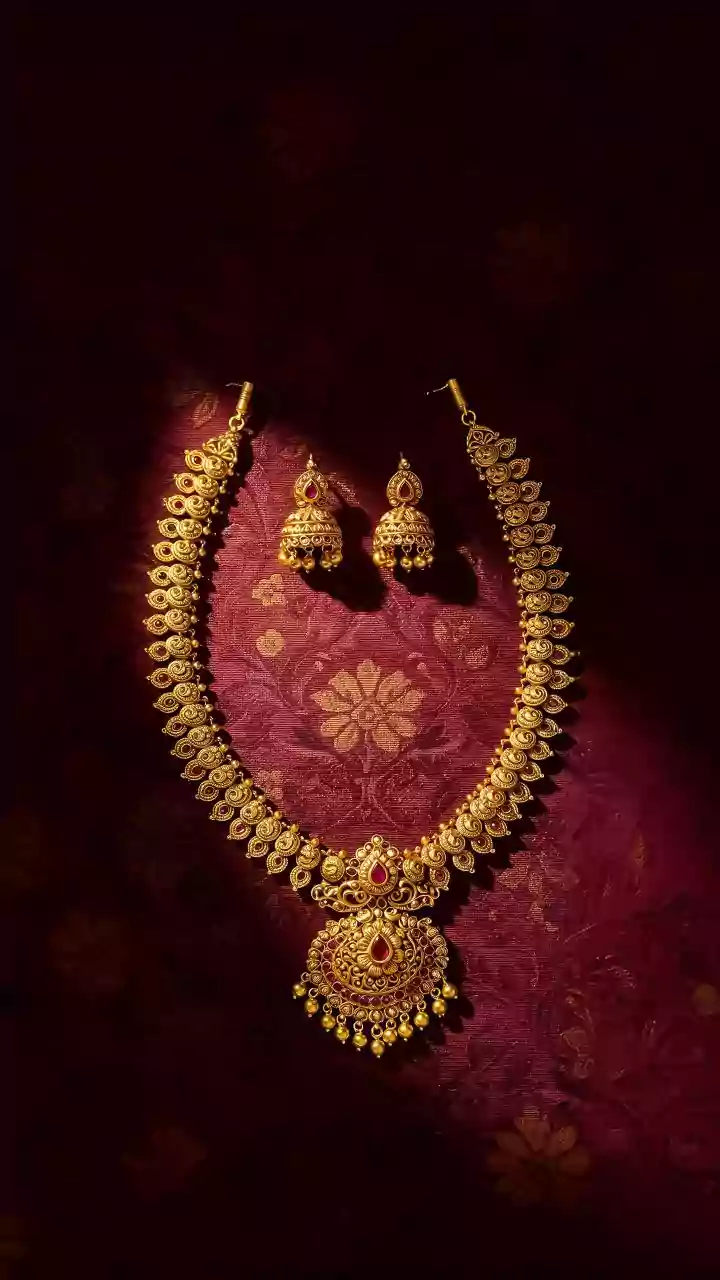


In nearly every Indian household, gold is more than a precious metal; it’s a vessel of memory, tradition, and blessings. But as financial realities evolve, how do families reconcile the emotional weight of jewellery with smart, secure investing?
More Than an Ornament, a Cultural Cornerstone
For centuries,
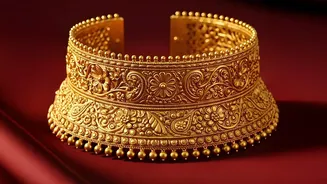
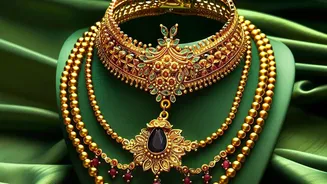
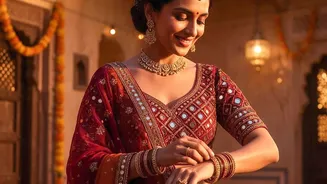
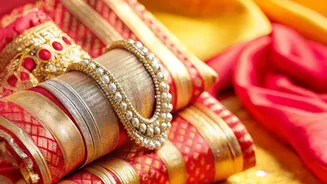
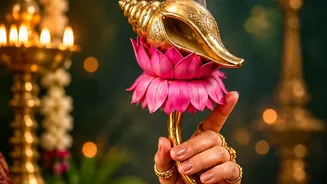
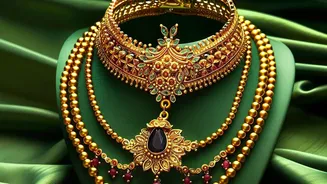
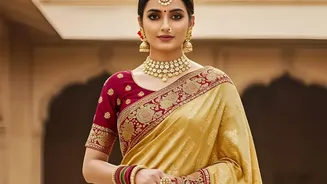
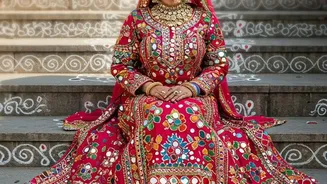
gold has been deeply woven into the fabric of Indian life. It's a symbol of wealth, purity, and prosperity, intrinsically linked to the goddess Lakshmi. Gold is not merely purchased; it is acquired to mark life's most significant moments—births, weddings, and festivals like Dhanteras and Akshaya Tritiya, when buying the metal is believed to usher in good fortune. In weddings, gold jewellery is a cornerstone of the bridal ensemble, signifying blessings and, historically, a woman's financial security or 'Streedhan'. These pieces become heirlooms, passed down through generations, embedding family legacy and love into a tangible, gleaming form.
The Original Financial Safety Net
Beyond its cultural pull, gold has always served as a reliable financial tool. It is a highly liquid asset that can be quickly converted to cash, making it an indispensable emergency fund for many households, particularly for handling medical crises or unexpected business setbacks. Historically, it has acted as a powerful hedge against inflation, often preserving and even growing its value when the purchasing power of currency weakens. This intuitive understanding of gold as a stable, crisis-proof asset is why Indian households are estimated to hold one of the largest private gold reserves in the world. It’s a trusted store of value, independent of the formal banking system, that has provided security for generations.
The Practical Burdens of Physical Gold
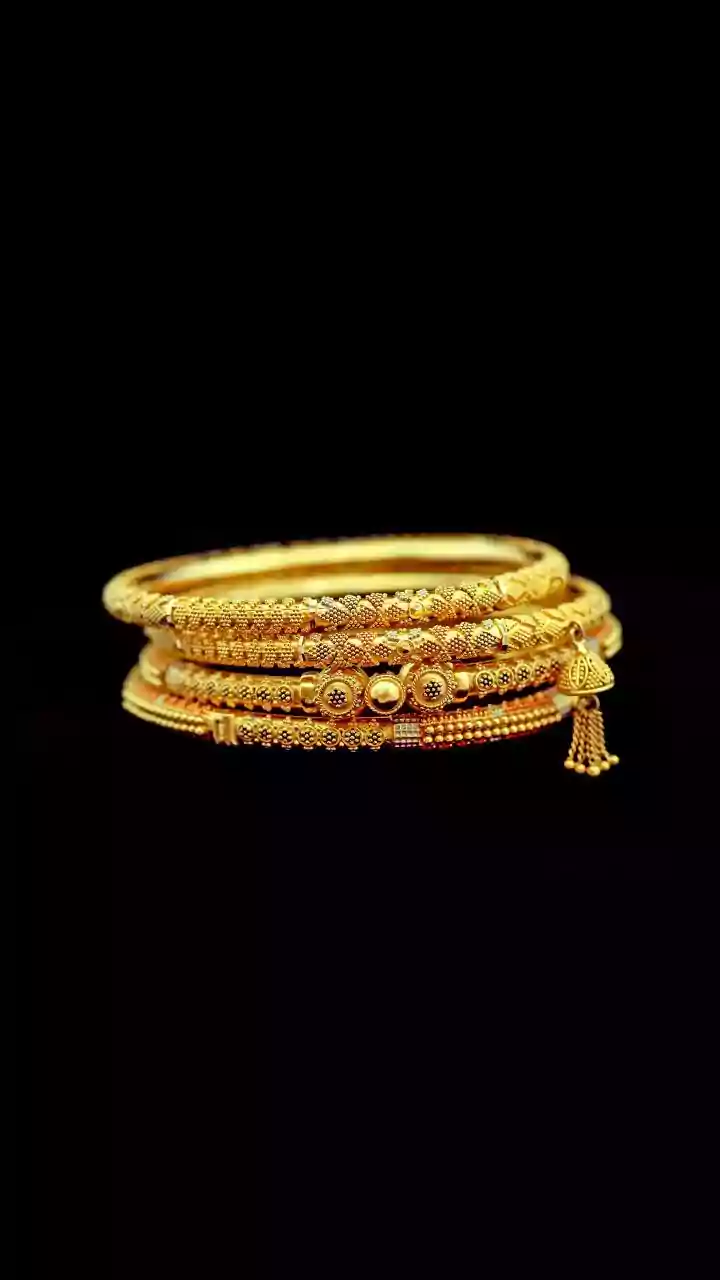
Despite its deep-rooted appeal, owning physical gold, especially jewellery, comes with significant practical challenges. The primary concern is security. Storing gold at home carries the risk of theft, while bank lockers involve recurring annual fees that can add up over time. Then there are the costs associated with the jewellery itself. Making charges can range anywhere from 8% to over 25% of the gold's value, a cost that is not recovered upon resale. Furthermore, ensuring the purity of the gold requires careful verification, often relying on hallmarking to confirm its quality. These factors mean that while emotionally valuable, jewellery is not always the most efficient form of financial investment.
The Modern Investor's Toolkit: Digital and Paper Gold
Today, a new wave of financial products offers the benefits of gold ownership without the physical drawbacks. Digital gold, offered by platforms like MMTC-PAMP and SafeGold, allows individuals to buy 24k gold online in fractional amounts, starting with as little as one rupee. This gold is stored in insured vaults, eliminating security concerns and making charges. For more seasoned investors, Gold Exchange Traded Funds (ETFs) and Sovereign Gold Bonds (SGBs) present regulated, efficient alternatives. ETFs are traded on the stock exchange, offering high liquidity. SGBs, issued by the RBI, not only track the price of gold but also pay a fixed annual interest of 2.5%, and gains at maturity are tax-exempt, making them a highly attractive long term option.
A Generational Shift in Mindset
This expanding menu of options is driving a noticeable shift in how younger Indians view gold. While the cultural affinity remains, Millennials and Gen Z are increasingly approaching gold with a practical, investment first mindset. Many now differentiate between jewellery for ceremonial or sentimental purposes and 'paper' or digital gold for wealth accumulation. Surveys show that for many young investors, gold is a preferred investment choice than valued for its safety during economic uncertainty. They are more likely to make smaller, more frequent purchases of digital gold and view inherited jewellery not just as an heirloom, but as a financial asset that can be leveraged to fund life goals like education or a down payment on a home.
Striking a Healthy Balance
The modern Indian family is not abandoning its love for gold but is instead redefining it. The challenge lies in creating a balanced portfolio that honours tradition while maximizing financial safety and growth. A pragmatic approach involves earmarking physical jewellery for its cultural and emotional roles, while directing new investment capital towards more efficient forms like SGBs or Gold ETFs. This hybrid strategy allows families to continue celebrating with gold and passing down heirlooms, while ensuring their financial reserves are not eroded by making charges and storage costs. It’s about making tradition work in harmony with modern financial wisdom, ensuring that gold continues to be a source of both prosperity and security.