


A Royal Welcome on a Plate
The dessert in question is Shahi Tukda, which translates to “royal piece.” The name itself is a declaration of its magnificent status in the world of Indian sweets. It is not a subtle dessert; it is unapologetically rich, decadent, and designed for pure
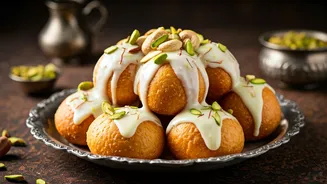
indulgence. This bread pudding, elevated to an art form, is a common feature at grand celebrations, weddings, and festive occasions like Eid and Diwali. Its presence on a menu signals opulence and a deep appreciation for the finer things in life. Each bite is a complex layering of textures and tastes, starting with the crunch of ghee-fried bread, followed by the soft, yielding centre soaked in syrup, and finally, the cool, creamy blanket of thickened milk.
Tracing Its Mughlai Legacy
To understand Shahi Tukda is to take a delicious journey back in time to the royal kitchens of the Mughal Empire. While its exact origin story is debated among food historians, it is widely believed to have been conceived during this era of culinary innovation. The Mughals were renowned for their lavish feasts and their penchant for creating rich, aromatic dishes using expensive ingredients like saffron, pistachios, and pure ghee. Shahi Tukda fits this profile perfectly. It is a brilliant example of using a humble ingredient—bread—and transforming it into something worthy of a king's palate. Some stories suggest it was a creative way to use leftover bread, while others position it as a cousin to other bread-based sweets found across the Middle East, like the Egyptian Om Ali.
The Symphony of Components
The magic of Shahi Tukda lies in the perfect harmony of its three core components. First is the bread. Slices of simple white bread are cut into triangles or squares, then deep-fried in ghee until golden brown and irresistibly crisp. This step is non-negotiable; the ghee imparts a nutty, rich flavour that oil simply cannot replicate. The fried bread acts as a sponge, ready to absorb the sweetness to come. Next is the sugar syrup (chashni), often infused with cardamom or rose water. The crisp bread is briefly dipped into this warm syrup, allowing it to soak up just enough sweetness without becoming soggy. This creates a delightful contrast between the crunchy exterior and the sweet, moist interior.
The Creamy, Fragrant Heart
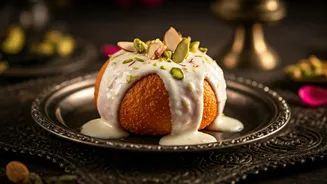
What truly elevates Shahi Tukda from a simple sweet toast to a state of bliss is the 'rabri'—a luscious, thickened milk sauce. Milk is slow-cooked for hours, often with sugar and saffron, until it reduces, thickens, and develops a granular, creamy texture. This rabri is poured generously over the prepared bread pieces, seeping into every nook and cranny. The process is a labour of love, as the slow cooking is what concentrates the milk's flavour and creates its signature consistency. The final flourish comes in the form of a garnish. A generous sprinkle of slivered almonds, pistachios, and sometimes edible silver leaf (vark) adds not just visual appeal but also another layer of texture and nutty flavour. The warm, earthy aroma of saffron and the sweet scent of cardamom complete the sensory experience before you even take a bite.
More Than Just a Dessert
In modern India, Shahi Tukda remains a beloved classic. It represents more than just a sweet ending to a meal; it embodies a sense of celebration, tradition, and shared joy. It is a connection to a grand culinary past, a reminder of the artistry that can be found in a well-crafted dish. While simpler, quicker versions exist, the authentic, slow-made Shahi Tukda is an experience in itself. It teaches patience, both in its making and its eating. You cannot rush it. You must savour the crispness of the bread, the sweetness of the syrup, and the luxurious creaminess of the rabri.