







Why Choose Low-Impact Cardio?
Low-impact cardio refers to any exercise that raises your heart rate while minimizing stress on your joints. Unlike high-impact activities like running or jumping, these workouts typically ensure you keep at least one foot on the ground, reducing the force
that travels through your knees, hips, and ankles. This makes it an ideal choice for a wide range of people, including beginners, older adults, individuals with joint pain or arthritis, and those recovering from injuries. But 'low-impact' doesn't mean 'low-intensity' or 'low benefit'. These workouts are powerful tools for improving heart health, building endurance, burning calories, and supporting weight management with a lower risk of injury.
Brisk Walking: Accessible and Effective
Walking is one of the most accessible forms of exercise, requiring no special equipment or training. To turn a simple stroll into a heart-pumping workout, increase your pace to a brisk walk. Studies have shown that brisk walking can lower your risk of high blood pressure, high cholesterol, and diabetes just as much as running can. While running may burn more calories in less time, walking is a sustainable activity that can be easily integrated into your daily routine. Aim for at least 150 minutes of moderate-intensity activity, like brisk walking, per week to reap significant cardiovascular benefits. To increase the intensity, you can incorporate inclines or add a weighted vest.
Swimming: The Ultimate Full-Body Workout
Often recommended by doctors, swimming is a top-tier exercise for heart health, especially for those with joint pain. The water's buoyancy supports your body, making movement feel easier and taking the stress off your joints, which is beneficial for people with conditions like arthritis. Swimming is a full-body workout that engages your arms, legs, and core, helping to build strength and endurance. Regular swimming can elevate your heart rate, improve circulation, lower blood pressure, and strengthen your heart muscle. Research has even suggested that swimmers may have a significantly lower risk of death from heart disease or stroke.
Elliptical Training: A Gym Favourite
The elliptical trainer is a popular machine for good reason. It mimics the motion of running but without the jarring impact because your feet remain on the pedals. This makes it a safe and effective way to get a great cardio workout. Using an elliptical elevates your heart rate, which strengthens your heart and lungs over time. Many machines feature moving handlebars, allowing you to engage your upper body for a full-body workout that also works your core for stability. With adjustable resistance and incline settings, elliptical workouts are highly customizable for any fitness level, from beginners to advanced athletes.
Cycling: Indoors or Out
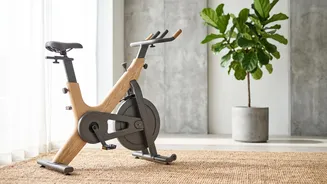
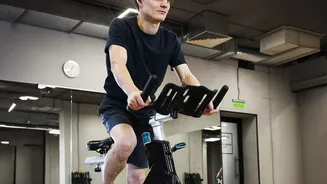
Whether on a stationary bike or a trail, cycling is another excellent joint-friendly cardio option. It's particularly good for building lower body strength in your quads, hamstrings, and glutes while being gentle on the knees and hips. Cycling gets your heart rate up, improving cardiovascular endurance and promoting better blood circulation. You can control the intensity through your speed and the bike's resistance, making it suitable for a steady-paced session or a more challenging interval workout. It provides a fun way to exercise that can be done in a group class, at home, or while enjoying the outdoors.